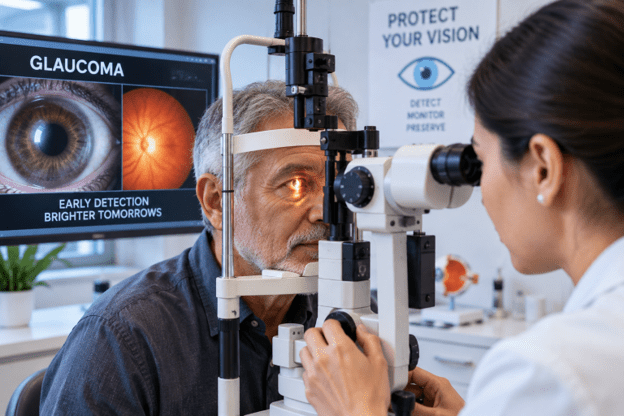
Understanding Glaucoma: Why Early Detection Is Essential for Protecting Vision
Glaucoma is one of the leading causes of vision loss worldwide, yet many people are unaware they have the condition until significant damage has already occurred. Often referred to as the “silent thief of sight,” glaucoma typically develops gradually and may not cause noticeable symptoms in its early stages. This makes routine eye examinations an essential part of maintaining long-term eye health.
Understanding the risk factors, symptoms, and importance of early detection can help individuals make informed decisions about protecting their vision.
What Is Glaucoma?
Glaucoma is a group of eye conditions that damage the optic nerve, which carries visual information from the eye to the brain. In many cases, this damage is associated with increased pressure inside the eye, although glaucoma can also develop when eye pressure is within a normal range.
Those referred for advanced eye care frequently search for the keyword an “eye specialist Calgary” to explore available treatment options.
Because glaucoma often progresses without obvious warning signs, routine eye care remains one of the most effective ways to detect it early.
Who Is at Higher Risk?
Anyone can develop glaucoma, but certain factors increase the likelihood of the condition.
Age
The risk generally increases after the age of 40 and continues to rise with advancing age.
Family History
Individuals with close relatives who have glaucoma may have a higher chance of developing the disease.
Medical Conditions
Diabetes, high blood pressure, and certain other health conditions may increase the risk.
Long-Term Steroid Use
Using steroid medications for extended periods may increase eye pressure in some individuals.
Common Symptoms
One of the challenges with glaucoma is that early-stage disease usually causes no symptoms.
As the condition progresses, individuals may experience:
- Gradual loss of peripheral (side) vision
- Difficulty adapting to low-light conditions
- Blurred vision
- Tunnel vision in advanced stages
A less common form, known as acute angle-closure glaucoma, may develop suddenly and requires immediate medical attention. Symptoms can include severe eye pain, headache, nausea, blurred vision, and seeing halos around lights.
How Is Glaucoma Detected?
Routine eye examinations include several tests that help evaluate eye health and identify signs of glaucoma.
Eye Pressure Measurement
Measuring intraocular pressure is one part of assessing glaucoma risk.
Optic Nerve Examination
The optic nerve is carefully evaluated for changes that may indicate damage.
Peripheral Vision Testing
Visual field testing measures side vision, which is often affected first in glaucoma.
Corneal Thickness Measurement
In some cases, corneal thickness may also be assessed to help interpret eye pressure measurements accurately.
Many online users enter lower eye plastic surgery into search engines when they need further assessment of their eye health.
Can Glaucoma Be Prevented?
Although glaucoma cannot always be prevented, several healthy habits support overall eye health.
Attend Regular Eye Examinations
Routine examinations remain the most effective way to identify glaucoma before noticeable vision loss occurs.
Know Your Family History
Sharing information about family eye conditions helps eye care professionals determine appropriate screening schedules.
Manage General Health
Maintaining healthy blood pressure, managing diabetes, and following medical advice for chronic conditions all contribute to overall eye health.
Protect Your Eyes
Wearing protective eyewear during activities that carry a risk of eye injury can help reduce trauma-related eye complications.
When Should You Schedule an Eye Examination?
Routine eye examinations are recommended even when vision appears normal because glaucoma may develop without symptoms.
Individuals over the age of 40, those with a family history of glaucoma, or people living with diabetes may benefit from more frequent monitoring based on their healthcare provider’s recommendations.
Prompt assessment is also important if you notice changes in your vision, experience persistent eye discomfort, or develop sudden symptoms that require urgent medical attention.
Conclusion
Glaucoma is a serious eye condition that often progresses silently, making early detection essential for preserving vision. Comprehensive eye examinations allow eye care professionals to monitor eye health, evaluate glaucoma risk, and identify changes before significant vision loss occurs.
By combining routine eye care with healthy lifestyle habits and timely medical evaluation, Canadians can take proactive steps to protect their eyesight and support lifelong visual health.