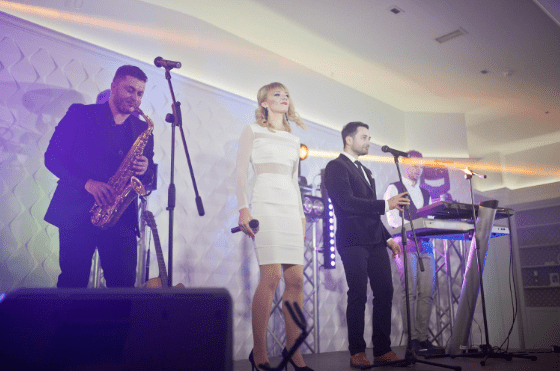
Behind the Scenes: What It Takes to Book Entertainment for a Major Event
A great performance at a wedding or corporate gala looks effortless from the audience’s seats. What guests never see is the weeks of coordination that made it possible, from matching the right act to the event to solving the small logistical problems that could have derailed the whole night.
Understanding what actually goes into that process helps explain why some events feel seamless while others feel like they never quite came together. It also explains why experienced planners rarely book entertainment as an afterthought.
It Starts With Matching the Act to the Actual Event
A cultural celebration calls for a genuinely different kind of act than a corporate product launch, even if both technically fall under live entertainment. A lion dance troupe fits a Chinese New Year celebration in a way that would feel out of place at a formal awards gala, while a string quartet suits a wedding ceremony far better than a high energy DJ set.
The same event often needs more than one answer. A ceremony, a drinks reception and a late evening party each call for different energy, and treating them as one booking decision is how hosts end up with music that suits exactly one part of the night.
Matching the act to the event means thinking about the audience’s age range, the formality of the occasion, and the specific emotional tone the host wants to create. A skilled booking team asks these questions upfront rather than defaulting to whichever act is easiest to schedule.
The venue shapes the answer as much as the occasion does. Even at the top of the market, technical requirements around lighting and sound are something to establish with a planning team during the consultation rather than after booking, and roundups of luxury wedding venues tend to say so directly.
Logistics Most People Never Think About
Every performer needs specific physical conditions to actually deliver a good show, and these requirements vary considerably by act type. A live band needs adequate power access and space for equipment, a magician needs sightlines that work for the audience size, and a dance troupe needs a floor surface safe enough for the choreography involved.
Timing coordination matters just as much as physical setup. Load-in windows, soundchecks, and the actual performance slot all need to fit around a venue’s broader schedule, including catering service and other planned moments like speeches or a first dance. Missing any one of these details can mean a performer arriving with no time left to prepare properly.
Why Booking Through an Agency Differs From Booking Directly
Booking a single act directly is manageable for a small, simple event, but a major event with several different performance elements running across one evening is a different challenge entirely. Coordinating multiple acts, each with their own setup needs and timing requirements, benefits considerably from a single point of contact managing the whole schedule.
Bella Entertainment Agency is one example of how this full-service coordination works in practice, drawing from more than a thousand acts across categories including dancers, musicians, magicians, and hostesses for events across Singapore and the wider region. That range matters specifically for larger events that combine several different entertainment elements into a single evening, rather than booking each act separately and hoping the timing lines up.
The Production Elements That Make or Break the Night
The performer is only part of what makes a segment land well. Sound quality, staging, and lighting all shape how an audience actually experiences a performance, and a talented act under poor production conditions rarely comes across the way it should.
Lighting in particular does more work than most hosts expect, shaping the mood of a moment like a first dance or a big reveal as much as the music does. These elements typically need to be planned in coordination with the performers themselves, not added on separately at the last minute.
What Can Go Wrong, and How Experienced Planners Prevent It
Weather remains the most common disruption for outdoor events, which is why experienced planners confirm indoor backup arrangements well before the event date rather than hoping for clear skies. A performer falling ill or facing unexpected travel delays is a real risk too, and an agency working with a larger roster of talent can typically source a substitute far faster than a host booking directly.
Equipment failure is another quiet risk that rarely gets discussed publicly, since a broken microphone or a malfunctioning light rig can derail a moment that took weeks to plan. Building in backup equipment and a technical contact on-site is a standard precaution among experienced production teams, even when everything is expected to go smoothly.
Conclusion
The entertainment that makes a major event memorable is the visible result of a much longer planning process, one that starts with matching the right act to the occasion and continues through logistics, production, and contingency planning that most guests never think about. None of it needs to be visible to work, which is exactly the point.
Treating entertainment booking as a coordination problem rather than a simple transaction tends to be what separates an event that runs smoothly from one that only looks like it did.
Frequently Asked Questions
1. How far in advance should entertainment be booked for a major event?
This varies by act popularity and event size, but booking several months ahead is generally advisable for a major wedding or corporate event, particularly during peak seasons when in-demand performers are booked out early.
2. Is it more expensive to book entertainment through an agency than directly?
Not necessarily. An agency often has access to negotiated rates across a large roster and can bundle logistics that would otherwise require separate coordination, which can offset or even reduce the total cost compared to booking multiple acts independently.
3. What happens if a booked performer cancels close to the event date?
A reputable agency typically has contingency options in place, including backup performers who can step in on short notice, which is one of the practical advantages of working through an established booking agency rather than a single independent act.
4. Can one agency handle multiple types of entertainment for the same event?
Yes, many established agencies coordinate several different acts, such as a live band, a specialty performance, and a master of ceremonies, all under one booking process, which simplifies scheduling considerably compared to managing each act separately.