From Screen Icons to Mobile Games: The Business of Pop Culture Licensing
A successful film, television programme or celebrity brand rarely remains confined to its original format. Familiar characters appear on clothing, collectables, social media, theme park attractions and digital games. Each new product gives audiences another way to interact with a story they already recognise.
Licensing makes this expansion possible. The owner of an entertainment property grants another company permission to use selected characters, names, images or music under agreed conditions. The arrangement can extend the commercial life of a franchise, but recognition alone does not guarantee that every adaptation will succeed.
Familiar Characters Create an Immediate Connection
An original game has to introduce its world from the beginning. Players need time to understand its visual identity, tone and characters. A licensed game begins with a useful advantage because part of that work has already been done.
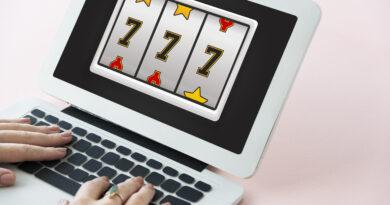
The crossover is particularly visible in the mobile slots UK selection at MrQ, where licensed titles based on Rick and Morty, The Goonies, Ted and Deal or No Deal place familiar entertainment properties inside interactive games. Recognition attracts attention, but each licence still has to be translated into suitable visuals, sound and game features.
Fans of a film or television programme may notice a familiar logo before they understand anything about the game itself. Music, dialogue and character artwork can then strengthen that connection. The experience becomes a form of entertainment nostalgia, particularly when it draws on a title associated with a specific period of someone’s life.
This does not mean every player must be an existing fan. A strong licensed game should remain understandable to someone who has never watched the original production. Familiarity may open the door, but design determines whether people remain interested.
A Famous Licence Is Only the Beginning
Entertainment companies increasingly treat games as an important extension of intellectual property rather than a minor promotional product. The right adaptation can introduce an established franchise to new audiences while giving existing fans another reason to remain engaged.
Variety has reported on the way game companies build mobile titles around well known properties including Star Trek, The Walking Dead and Wheel of Fortune. Its coverage shows that entertainment brands are no longer moving in only one direction, from film or television into games. Successful gaming properties are also becoming valuable source material for films, series and wider media projects.
A licence normally sets limits on how a property can be presented. Rights holders may approve character artwork, dialogue, music and promotional materials to ensure that the adaptation remains consistent with the original brand. This protects the identity that made the property valuable in the first place.
The game developer still needs room to create something suitable for a different medium. A television scene can ask audiences to watch passively for several minutes, while an interactive product needs clear actions and regular responses. Simply placing familiar images over an ordinary design rarely captures the personality of the source material.
Adaptation Requires Careful Selection
Most entertainment properties contain more material than a single mobile game can use. Developers therefore need to decide which elements audiences will recognise most quickly. A catchphrase, costume, location or short piece of music may communicate the identity more effectively than a complicated retelling of the plot.
This process is easier when the original property has a strong visual language. The bright science fiction chaos of Rick and Morty can be recognised through colour and character design, while The Goonies has an adventure identity connected with maps, treasure and childhood discovery.
Tone matters just as much as imagery. A comedy licence should feel playful, while an action property needs energy and movement. If the adaptation ignores the emotional qualities associated with the original, the famous name can begin to feel decorative.
Developers must also avoid assuming that fans want a perfect copy of something they have already seen. The strongest adaptations preserve the personality of the source while offering a new form of interaction.
Mobile Screens Change Creative Decisions
A property developed for cinema may have relied on wide landscapes, detailed sets and large action sequences. Mobile games operate on much smaller screens, often held vertically and used in places with background noise or changing light.
Important characters and symbols therefore need to remain readable at a reduced size. Text must be concise, controls must respond comfortably to touch and animations cannot make essential information difficult to follow. Sound can add personality, but the game must still make sense when a phone is muted.
HTML5 technology has made it easier to deliver complete games through modern mobile browsers. Users do not necessarily have to install separate software before accessing a title, while developers can create experiences that adapt to different screen sizes and operating systems.
Technical performance is part of the creative result. A beautifully licensed game loses much of its appeal if it loads slowly or displays controls poorly. Fans judge both the entertainment brand and the platform presenting it, which gives every company involved a reason to maintain quality.
Characters Can Outlast Their Original Release
A film may receive its greatest attention during the months surrounding its cinema release, but a memorable character can remain commercially relevant for decades. Games help keep older properties visible when there is no new film or television series to promote.
This extended life is particularly valuable for stories that attract several generations. Older fans respond to nostalgia, while younger audiences may first discover the characters through an interactive product. Some will then return to the original film or programme to understand the references.
The process also changes the meaning of celebrity. A performer may become strongly associated with a role, but the licensed character can continue appearing across products long after the original production has ended. The actor, costume, voice and fictional personality form a commercial identity that can travel independently between formats.
Rights holders need to manage that identity carefully. Too many weak adaptations can reduce the sense that a franchise is special, while selective and thoughtful licensing can keep it relevant without exhausting its audience.
Celebrity Branding Adds Another Layer
Not every licensed game is based on a fictional world. Musicians, athletes, actors and online personalities can also lend their names and images to interactive products. Their public persona becomes the intellectual property around which the experience is designed.
This approach works best when the game reflects something audiences genuinely associate with the celebrity. A musician’s title might use songs, concert imagery and career milestones, while an athlete’s game may focus on competition and performance.
The arrangement can introduce a celebrity to audiences outside their main field. Someone who does not regularly follow a singer’s music may still encounter the artist through a mobile game, social media collaboration or branded digital event.
Celebrity involvement also creates questions about authenticity. Audiences want to know whether the person participated creatively or simply approved the use of a name. A clear connection between the celebrity’s identity and the final product usually feels more convincing than a generic design covered with publicity photographs.
Licensing Can Revive More Than Recent Hits
The mobile market does not depend entirely on current releases. Older films, television formats and game shows can be valuable because their audiences already understand their basic identity. A familiar title reduces the need for an expensive introduction.
Nostalgia is especially effective when the adaptation remembers small details. Fans notice music cues, supporting characters and visual references that casual audiences might overlook. These elements signal that the developers understood the property rather than treating it as a logo.
There is still a balance to maintain. An adaptation filled entirely with obscure references may exclude new users, while one that removes every distinctive detail can disappoint existing fans. The most effective design creates two levels of enjoyment, immediate accessibility and additional recognition for people who know the source.
This gives entertainment companies a reason to look beyond their newest projects. A large archive can contain characters and programmes ready to find a second audience through mobile formats.
Success Cannot Be Measured by Recognition Alone
A licensed title may attract strong initial interest because people already know its name. Long term performance depends on whether the experience remains enjoyable after the novelty fades.
Developers can examine repeat use, session length and audience feedback to understand whether the design is working. Rights holders may also consider whether the adaptation improves awareness of the wider franchise or reaches a demographic that the original production missed.
Commercial success is only one measure. A well received game can strengthen fan loyalty and demonstrate that a property has room to expand. It may also reveal which characters or themes deserve further development.
Poorly matched licensing can have the opposite effect. If every feature feels disconnected from the source, audiences may view the product as a quick attempt to trade on recognition. Protecting the brand therefore requires attention after the licensing agreement has been signed.
Entertainment Properties Now Live Across Screens
The boundaries between film, television, celebrity culture and gaming continue to weaken. Audiences move between formats throughout the day, watching a series, sharing a character clip and opening a related game on the same device.
Licensing allows entertainment properties to follow that movement. A familiar story no longer ends with the credits because its characters can continue through interactive products, merchandise and online communities.
The strongest adaptations understand that a famous name creates an opportunity rather than a finished product. Visual recognition may attract attention, but thoughtful design, reliable performance and respect for the original identity create lasting value.
Screen icons can travel almost anywhere, including the smallest mobile display. Their success in a new format depends on whether developers preserve what audiences already love while giving them a fresh reason to engage.