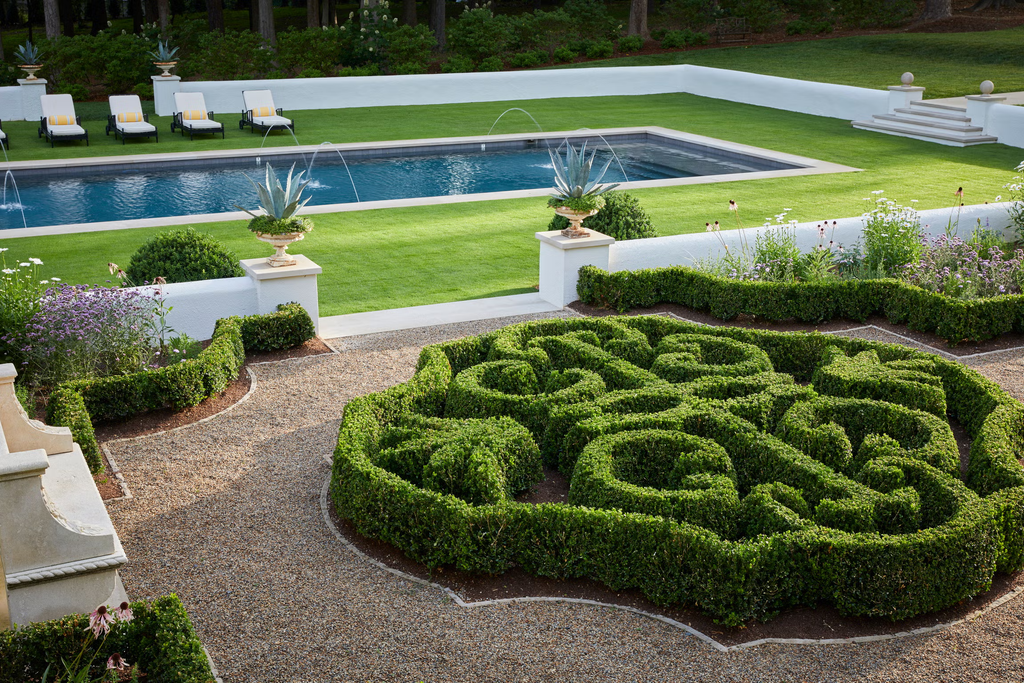
Landscape Design Ideas That Transform Outdoor Spaces Into Beautiful Living Environments
A thoughtfully planned outdoor space can completely change the way a property looks, feels, and functions. Whether the goal is to create a peaceful garden retreat, an inviting entertainment area, an attractive commercial setting, or a practical family-friendly yard, careful planning is essential. A successful outdoor environment does more than add attractive plants and decorative features. It brings together layout, vegetation, hardscaping, lighting, drainage, privacy, maintenance, and usability to create a cohesive space that complements the property and the lifestyle of the people who use it. This is why professional landscape design has become an important consideration for homeowners, property managers, and businesses seeking to make better use of their outdoor areas.
Good planning begins with understanding the characteristics of the property and the needs of its users. Every outdoor space has different dimensions, sunlight conditions, soil characteristics, drainage patterns, architectural features, and practical limitations. Instead of applying the same approach to every project, an effective design considers these factors before selecting plants, materials, and decorative elements. The result is an outdoor space that looks intentional while remaining comfortable and functional throughout the year.
Understanding the Purpose of an Outdoor Space
Before choosing plants or materials, it is important to determine how the space will actually be used. A garden intended primarily for relaxation may require very different features from an outdoor area designed for entertaining guests. Families with children may need open lawn areas and durable surfaces, while people who enjoy gardening may want dedicated planting beds, raised gardens, or spaces for seasonal flowers.
The purpose of the space should guide every major decision. If outdoor dining is important, the layout might include a patio or deck positioned near the home. If privacy is a priority, strategically placed trees, shrubs, screens, or fencing can create separation from neighboring properties. If relaxation is the main objective, comfortable seating, shade, water features, and soft planting arrangements can help create a peaceful atmosphere.
Commercial properties have their own requirements. Businesses may want attractive entrances, clearly defined pathways, outdoor seating, screening around service areas, or low-maintenance planting that maintains a professional appearance. Establishing the primary purpose early helps prevent unnecessary features and ensures that the finished environment serves a clear function.
Creating a Balanced Layout
A strong outdoor layout provides a natural sense of order without making the space feel overly rigid. Designers often consider how different areas connect with one another and how people move through the property. Pathways, patios, planting beds, lawns, and architectural features should work together rather than appearing as unrelated elements.
Proportion is particularly important. A large patio surrounded by a very small planting area may overwhelm a modest yard, while an oversized garden feature can make a compact property feel crowded. Similarly, tiny plants placed in a large open area may fail to provide the visual impact that the space requires.
A balanced layout also considers sightlines. Certain areas can be emphasized by positioning plants or decorative features where they naturally draw attention. A beautiful tree, sculpture, fountain, or flowering border can become a focal point when it is placed thoughtfully within the overall composition.
Choosing Plants for Long-Term Success
Plant selection is one of the most important parts of any outdoor project. Attractive plants are not automatically suitable for every environment. Their growth habits, mature size, sunlight requirements, water needs, soil preferences, and seasonal characteristics should all be considered.
Choosing plants based on their mature dimensions is particularly important. A shrub that appears small at the time of planting may eventually become too large for its location. Trees planted too close to buildings, pathways, utility areas, or other structures can also create maintenance and accessibility issues as they grow.
A diverse plant palette can provide interest throughout the year. Evergreen plants may offer structure during colder months, while flowering species can provide seasonal color. Ornamental grasses can introduce movement and texture, and trees can create shade and vertical interest. Combining different heights, colors, textures, and forms helps create a visually engaging environment.
Native and well-adapted plants can also be valuable choices because they may be better suited to local growing conditions. Selecting plants that naturally perform well in the surrounding environment can reduce unnecessary maintenance and help support a healthier outdoor ecosystem.
Integrating Hardscape Features
Plants are only one component of a well-planned outdoor environment. Hardscape elements such as patios, walkways, retaining walls, steps, seating areas, edging, and decorative surfaces provide structure and practical functionality.
Materials should complement the architecture of the property and the character of the surrounding landscape. Natural stone can create a traditional or organic appearance, while concrete, brick, pavers, and other manufactured materials can offer different visual styles and performance characteristics.
Walkways should be designed for comfortable movement and should connect important areas naturally. A path that leads from the entrance to a seating area, garden, or outdoor kitchen can make the property easier to navigate while also adding visual structure.
Retaining walls can serve both functional and aesthetic purposes when a property contains slopes or changes in elevation. They can help manage soil movement while creating opportunities for planting beds, seating areas, or terraced gardens. However, drainage and structural requirements should always be considered when incorporating these features.
Designing Comfortable Outdoor Living Areas
Outdoor spaces are increasingly being treated as extensions of indoor living areas. Patios, decks, terraces, pergolas, outdoor kitchens, fire features, and comfortable seating can transform a simple yard into a space that supports everyday activities and social gatherings.
The position of an outdoor living area matters. Its relationship to the house, prevailing sunlight, wind patterns, views, and surrounding vegetation can influence comfort. A seating area that receives intense sunlight throughout the day may benefit from shade structures or strategically placed trees.
Furniture should also be selected according to the intended use and maintenance expectations. Durable materials can be particularly valuable in spaces exposed to changing weather conditions. Comfortable seating, appropriate lighting, and convenient access to the home can encourage people to spend more time outdoors.
When these features are integrated into the broader plan instead of added independently, they can feel like a natural part of the property rather than separate additions.
Making Better Use of Small Spaces
Limited space does not mean limited design potential. Small yards, balconies, courtyards, and narrow side areas can become attractive and functional when every element is carefully considered.
Vertical planting is one effective strategy for compact spaces. Trellises, climbing plants, wall-mounted planters, and narrow planting structures can add greenery without consuming significant floor area. Multi-purpose furniture can also help maximize functionality.
Using a consistent material palette can make a small area feel more cohesive. Too many unrelated colors, textures, and decorative objects may make the space appear cluttered. Instead, repeating a few complementary elements can create visual continuity.
Mirrors, light-colored surfaces, layered planting, and carefully positioned lighting can also influence the perceived size of an outdoor area. The goal is not necessarily to make a small space appear enormous but to make it feel comfortable, organized, and purposeful.
Incorporating Water Features
Water features can add movement, sound, and visual interest to an outdoor environment. Depending on the available space and design style, options can include fountains, ponds, streams, reflective pools, or small bubbling features.
The scale of a water feature should match the property. A large installation may overwhelm a compact garden, while a small fountain can provide an attractive focal point without consuming excessive space.
Maintenance should be considered before installation. Water features require appropriate filtration, cleaning, circulation, and seasonal care depending on their design. Choosing a manageable system can help ensure that the feature remains attractive rather than becoming a burdensome maintenance task.
Water can also contribute to the atmosphere of a garden. The sound of gently moving water can create a calming environment, while reflective surfaces can enhance surrounding plants and architectural features.
Using Outdoor Lighting Effectively
Lighting allows an outdoor environment to remain useful and visually appealing after sunset. However, effective lighting is about more than simply placing bright fixtures around a property. The type, position, intensity, and color of lighting should support both safety and atmosphere.
Pathway lighting can improve visibility along walkways and steps. Accent lighting can highlight trees, architectural details, walls, sculptures, or water features. Ambient lighting can make patios and seating areas more comfortable for evening use.
Energy-efficient lighting technologies can help reduce ongoing electricity consumption. Timers, sensors, and smart controls may also provide greater flexibility by allowing lighting to operate only when needed.
Poorly positioned fixtures can create glare or excessive brightness, so thoughtful placement is essential. The best results often come from using several subtle sources of light rather than relying on a few extremely bright fixtures.
Managing Drainage and Water Flow
Drainage is one of the most important practical considerations in outdoor planning. Water that accumulates around foundations, pathways, patios, or planting areas can cause erosion, plant problems, structural damage, and other maintenance concerns.
A successful plan considers how rainwater moves across the property. Grading, drainage channels, permeable surfaces, rain gardens, and other appropriate solutions can help manage water more effectively.
Planting can also play a role in water management. Certain vegetation can help stabilize soil and improve the overall structure of planting areas. However, drainage problems should be addressed at their source rather than simply covered with additional plants.
Ignoring drainage during the initial planning stage can lead to expensive corrections later. For this reason, water movement should be considered before major hardscape and planting decisions are finalized.
Creating Privacy Without Making the Space Feel Closed
Privacy is a common objective for residential outdoor spaces, but complete enclosure is not always necessary. Plants and structural features can create a sense of separation while maintaining an open and welcoming atmosphere.
Trees can provide privacy at greater heights, while shrubs and hedges can create lower screening. Trellises and climbing plants can provide vertical separation without requiring large amounts of ground space. Fences, walls, and decorative screens can also be used where more substantial privacy is needed.
Layering is often more visually appealing than creating a single solid barrier. Combining trees, shrubs, ornamental grasses, and other plants can create depth and soften the appearance of boundaries.
The best privacy solutions consider views from inside the home as well as from the outdoor area. A strategically placed plant can block an unwanted sightline while preserving attractive views elsewhere.
Designing for Sustainability
Sustainability has become an important consideration in modern outdoor planning. A thoughtful approach can reduce unnecessary water consumption, minimize waste, support biodiversity, and create healthier planting environments.
Water-efficient irrigation systems can help deliver moisture more precisely to plants. Mulching can help retain soil moisture and reduce weed growth, while appropriate plant selection can reduce the need for excessive irrigation and chemical treatments.
Sustainable design can also involve choosing durable materials that will perform well over time. Reusing existing materials, preserving healthy mature trees, and reducing unnecessary hardscape can further lower the environmental impact of a project.
Pollinator-friendly plants can provide additional ecological benefits by creating habitat and food sources for bees, butterflies, and other beneficial insects. Even a small planting area can contribute to local biodiversity when it includes a thoughtful selection of flowering species.
Considering Maintenance From the Beginning
A beautiful outdoor space is only truly successful if it can be maintained according to the owner’s available time, budget, and resources. Some gardens require frequent pruning, seasonal planting, irrigation management, and lawn care, while others can be designed for relatively low maintenance.
Maintenance expectations should therefore be established before the project begins. Someone who enjoys gardening may appreciate a complex planting arrangement, whereas a busy property owner may prefer durable materials, slower-growing plants, and simpler planting beds.
Maintenance also affects plant spacing. Overcrowding may initially create a lush appearance, but plants can compete for resources and require frequent pruning as they mature. Appropriate spacing allows plants to develop naturally while reducing long-term maintenance requirements.
A maintenance-friendly design does not have to look plain. Repetition, structure, carefully selected plants, and attractive hardscape can create an elegant environment without requiring constant attention.
Adding Seasonal Interest
Outdoor spaces can change dramatically throughout the year. Designing for seasonal interest ensures that the property remains attractive even when certain plants are not flowering.
Evergreens can provide structure during periods when deciduous plants lose their leaves. Trees with interesting bark can add winter appeal, while ornamental grasses may provide texture after flowering. Spring bulbs, summer flowers, autumn foliage, and winter berries can each contribute to different seasonal experiences.
Seasonal interest is particularly effective when plants are layered throughout the space. Instead of relying on one short flowering period, a diverse selection can provide a succession of colors, textures, and forms.
This approach makes the garden feel dynamic and encourages people to appreciate how the outdoor environment changes over time.
Avoiding Common Planning Mistakes
One common mistake is choosing plants based solely on their appearance at the garden center. A plant may look perfect in a container but eventually become unsuitable because of its mature size or environmental requirements. Researching growth habits and conditions before purchasing is therefore essential.
Another mistake is adding too many features. Water elements, sculptures, large patios, extensive planting beds, and decorative structures can compete for attention if they are not connected by a clear design concept.
Poor planning of pathways is another frequent issue. Paths that are too narrow, awkwardly positioned, or disconnected from important areas can reduce the usability of an otherwise attractive property.
Finally, it is important not to ignore future growth. Trees, shrubs, vines, and groundcovers change over time. A successful outdoor plan should account for how the environment will look not only immediately after installation but also several years later.
The Value of Professional Planning
Professional expertise can be especially useful for projects involving complex grading, drainage, large planting areas, structural features, irrigation systems, or extensive outdoor living spaces. Experienced designers can evaluate the property as a complete system rather than treating individual features separately.
A professional approach can also help translate vague ideas into a practical plan. Property owners may know that they want a more inviting yard or a relaxing garden but may not know how to arrange the space effectively. Design expertise can help establish priorities, select appropriate materials and plants, and create a cohesive visual concept.
Planning also provides an opportunity to identify potential problems before construction or installation begins. Correcting an issue on paper is generally easier than rebuilding a patio, relocating plants, or modifying drainage after the project has been completed.
Conclusion
A successful outdoor environment combines beauty, functionality, sustainability, and long-term practicality. Landscape design provides a structured way to bring these elements together while ensuring that the finished space reflects the needs and preferences of its users. From selecting plants and arranging pathways to incorporating outdoor living areas, lighting, water management, and privacy features, every decision contributes to the overall character of the property.
The most effective projects begin with careful planning rather than immediate installation. Understanding how the space will be used, evaluating environmental conditions, selecting suitable plants, and considering maintenance requirements can help create an outdoor environment that remains attractive and useful for years.
Whether the project involves a compact garden, a large residential yard, a commercial property, or a multifunctional outdoor living area, thoughtful planning can make a substantial difference. By combining practical requirements with creative ideas, property owners can transform ordinary outdoor areas into welcoming spaces that provide beauty, comfort, and lasting value. In the end, the goal of landscape design is not simply to decorate an outdoor space but to create an environment that works naturally with the property, supports everyday activities, and becomes a meaningful part of the overall experience.