The Complete Guide to Keeping Your Swimming Pool Clean, Safe, and Ready to Enjoy
A swimming pool can be one of the most enjoyable features of a home or commercial property, providing a refreshing place to relax, exercise, entertain guests, and spend quality time with family. However, keeping a pool attractive and safe requires consistent attention. Clear water does not happen automatically, and neglecting routine care can quickly lead to cloudy water, algae growth, unpleasant odors, damaged equipment, and expensive repairs. A well-maintained pool is the result of several small but important tasks performed consistently throughout the year.
Effective pool maintenance involves much more than removing leaves from the surface. It includes balancing the water chemistry, cleaning the pool and surrounding areas, inspecting filtration equipment, monitoring water levels, maintaining circulation, and identifying potential problems before they become serious. Developing a practical maintenance routine makes these responsibilities easier to manage and can also help extend the useful life of the pool, pump, filter, heater, and other components.
Understanding the Basics of Pool Care
Before creating a maintenance routine, it is important to understand how the different parts of a swimming pool work together. The pool water must circulate continuously enough to distribute chemicals and prevent stagnant areas. The pump moves water through the circulation system, while the filter removes dirt, debris, and other particles. Sanitizing chemicals help control bacteria and other microorganisms, while balanced water chemistry protects swimmers and the pool itself.
When one part of the system is neglected, other components may be affected. For example, inadequate circulation can create areas where algae develop more easily. A dirty filter can restrict water flow and make the pump work harder. Incorrect chemical levels can irritate skin and eyes while also damaging surfaces and equipment. This is why an effective maintenance routine should address the entire pool system rather than focusing on appearance alone.
Understanding the purpose of each component also makes it easier to recognize unusual behavior. Changes in water clarity, pressure readings, pump sounds, water levels, or chemical requirements can provide useful clues about developing problems. Early attention is generally less expensive and less disruptive than waiting until a component fails completely.
Maintaining Proper Water Chemistry
Water chemistry is one of the most important parts of pool maintenance because improperly balanced water can create both health and equipment problems. The primary factors commonly monitored include pH, sanitizer levels, alkalinity, and, depending on the pool system, calcium hardness and other chemical characteristics.
The pH level indicates how acidic or alkaline the water is. If the pH becomes too low, the water may become corrosive and can irritate the eyes and skin. If it becomes too high, scale may develop and sanitizer effectiveness can be reduced. Maintaining the appropriate balance helps protect swimmers while allowing the sanitizing system to work effectively.
Sanitizer levels are equally important because they help control microorganisms in the water. Chlorine is widely used, although other sanitizing systems are also available. The appropriate level depends on the pool type, sanitizer system, water temperature, usage, and product instructions. Pool owners should always follow the manufacturer’s directions and use appropriate testing methods rather than adding chemicals based on guesswork.
Alkalinity helps stabilize pH and can reduce sudden fluctuations. Calcium hardness may also need attention because water with unsuitable calcium levels can contribute to scaling or surface damage. Regular testing provides information about what adjustments are actually necessary.
Creating a Reliable Cleaning Routine
Physical cleaning is another essential responsibility. Dirt, leaves, insects, dust, sunscreen, and other contaminants can enter a pool every day. If these materials remain in the water, they can affect appearance and contribute to filtration problems.
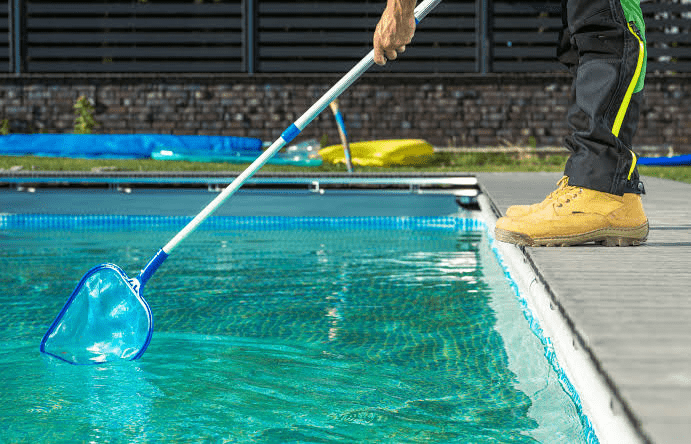
Skimming the surface regularly removes floating debris before it sinks. This simple task can reduce the amount of material that reaches the filter and helps keep the pool looking clean. It is particularly useful after windy weather or periods when trees and plants shed significant amounts of leaves.
Brushing the walls, steps, corners, and floor helps loosen dirt and prevents buildup. Certain areas receive less circulation than others and may therefore require additional attention. Corners, behind ladders, around steps, and along waterline surfaces can become problem areas if they are consistently overlooked.
Vacuuming removes debris that settles on the pool floor. Depending on the equipment available, this can be done manually or through an automatic cleaning system. Automated cleaners can reduce daily effort, but they do not eliminate the need for inspection and occasional manual cleaning.
Taking Care of the Filtration System
The filtration system is responsible for removing many of the particles that would otherwise remain suspended in the water. A filter that is overloaded with debris cannot perform efficiently, so regular inspection is important.
Different pools may use different filter technologies, including cartridge, sand, or other filtration systems. Each type has its own cleaning and servicing requirements. Cartridge filters generally need to be removed and cleaned periodically, while other systems may require different procedures. Pool owners should follow the specific manufacturer’s recommendations rather than applying the same cleaning process to every filter.
Filter pressure can also provide useful information. A noticeable increase above the normal operating range may indicate that the filter is becoming dirty or that water flow is being restricted. However, pressure readings should always be interpreted according to the equipment specifications because normal ranges vary between systems.
Keeping the filter in good condition helps improve water clarity and circulation. It can also reduce unnecessary strain on the pump, potentially supporting longer equipment life and more efficient operation.
Maintaining the Pool Pump and Circulation
The pump is the heart of the circulation system because it moves water through the filter and back into the pool. Poor circulation can lead to uneven chemical distribution, cloudy water, and increased opportunities for algae growth.
The pump area should be inspected regularly for unusual sounds, leaks, overheating, or visible damage. A healthy pump should operate according to the manufacturer’s design without persistent grinding, rattling, or other abnormal noises. Changes in performance can sometimes indicate blocked lines, worn components, air entering the system, or another mechanical issue.
Proper circulation also depends on keeping skimmer baskets, pump baskets, and relevant pathways clear. These components can collect leaves and debris, restricting water movement when they become heavily clogged.
The appropriate circulation schedule depends on the pool, equipment, weather, and usage. Instead of assuming that every pool requires the same operating schedule, owners should consider the recommendations provided for their specific system. More frequent circulation may be beneficial during periods of heavy use or particularly warm weather.
Preventing Algae and Cloudy Water
Algae can become one of the most frustrating pool problems when water chemistry, circulation, or cleaning is neglected. Green, yellow, or other forms of algae can spread rapidly under favorable conditions. Prevention is usually easier than removing an established growth.
Maintaining appropriate sanitizer levels, ensuring adequate circulation, brushing surfaces, and keeping the filter clean can all reduce the conditions that encourage algae. Pool covers can also limit the amount of debris entering the water when the pool is not being used, although covers themselves need regular cleaning and proper handling.
Cloudy water can have several causes. It may result from inadequate filtration, incorrect chemical balance, excessive debris, poor circulation, or heavy swimmer activity. Rather than immediately adding large amounts of chemicals, it is better to identify the likely cause and test the water first.
If cloudy water persists despite routine care, professional assistance may be appropriate. Persistent problems can sometimes indicate an equipment issue or water chemistry imbalance that requires more detailed evaluation.
Managing Water Levels
Water levels naturally change because of evaporation, splashing, cleaning, weather, and other factors. Maintaining an appropriate water level is important because the circulation system depends on adequate water reaching the skimmer and pump.
If the water level becomes too low, the pump may not receive enough water, potentially causing operational problems. If the level becomes unusually high after heavy rain, the water may need to be adjusted according to the pool’s design and drainage arrangements.
Unexplained water loss deserves attention. Some loss is normal, particularly during hot or dry conditions, but a sudden or excessive decrease may indicate a leak. Checking surrounding areas for wet spots, inspecting visible plumbing, and monitoring the rate of water loss can help determine whether further investigation is needed.Leaks should not be ignored. Even a small leak can waste significant quantities of water over time and may eventually contribute to structural or equipment problems.
Cleaning Poolside Areas
The area surrounding the pool deserves attention as well. Dirt, leaves, grass, insects, and other materials around the deck can easily find their way into the water. Keeping the surrounding area clean reduces the amount of contamination entering the pool.
Poolside furniture should be kept in good condition and positioned safely. Sharp edges, damaged surfaces, loose fittings, or unstable furniture can create unnecessary hazards. Walkways should also remain clear to reduce the likelihood of slips, trips, or falls.
If the pool area includes landscaping, plants should be selected and maintained carefully. Excessive leaves, flowers, or other organic material can increase cleaning requirements. Regular trimming and removal of fallen debris can make it easier to keep the surrounding environment clean.
Good drainage is also important. Water should not consistently accumulate around the pool deck or equipment area because standing water can contribute to surface deterioration and create an environment where unwanted growth may occur.
Protecting Pool Equipment
Pool equipment represents a significant investment, so protecting it should be part of the routine care schedule. The pump, filter, heater, control systems, valves, and plumbing should be inspected periodically for signs of wear, corrosion, leaks, or other damage.
Equipment should be kept accessible so that inspections and servicing can be completed safely. Avoid storing unnecessary objects around pumps, filters, or electrical components because restricted access can make maintenance more difficult.
Electrical equipment requires particular caution. Water and electricity create serious safety risks, so electrical components should not be opened, modified, or repaired without appropriate expertise. If there is evidence of electrical damage, unusual electrical behavior, or a persistent fault, qualified professional assistance should be obtained.
Protecting equipment from excessive environmental exposure can also be beneficial. Where appropriate, equipment areas should have adequate ventilation and protection from damaging conditions without restricting airflow or creating overheating risks.
Seasonal Maintenance Considerations
Swimming pool care can change with the seasons. During periods of heavy use, cleaning and chemical testing may need to occur more frequently because swimmers introduce sunscreen, sweat, dirt, and other contaminants into the water.
Hot weather can increase evaporation and may affect chemical levels. Warmer water can also create conditions that encourage algae and other unwanted growth if sanitation and circulation are inadequate. Monitoring the pool more frequently during demanding periods can help maintain stable conditions.
When the pool is used less frequently, maintenance should not stop completely. Reduced activity may lower the amount of cleaning required, but circulation, filtration, water chemistry, and equipment inspections still need appropriate attention.
If the pool will be unused for an extended period, owners should follow procedures suitable for their climate and equipment. A pool cover can reduce debris, evaporation, and exposure when properly installed and maintained. However, a covered pool still requires monitoring because neglecting it completely can lead to serious water quality problems.
Safe Chemical Handling
Pool chemicals should always be treated with care. Products should be stored according to their labels and kept away from children, pets, food, and incompatible substances. Containers should remain properly closed and clearly identifiable.
Different chemicals should never be mixed unless the manufacturer specifically states that doing so is safe. Mixing incompatible substances can produce dangerous reactions or harmful gases. Chemical handling should take place in an appropriate, well-ventilated environment while following the safety instructions provided by the product manufacturer.
When adjusting pool chemistry, measurements should be based on reliable testing rather than assumptions. Adding excessive chemicals can create new problems instead of solving the original issue. It is also important to allow appropriate circulation after chemical treatment and follow product-specific instructions regarding when the pool can safely be used.
Anyone responsible for maintaining a pool should understand the basic safety requirements for the products being used. When there is uncertainty, professional advice can help prevent accidental misuse.
Recognizing Problems Before They Become Expensive
Regular inspection is one of the simplest ways to reduce unexpected repair costs. Small issues often provide warning signs before a major failure occurs. A pump that begins making unusual sounds, a filter that becomes difficult to clean, a sudden change in water clarity, or an unexplained chemical imbalance should be investigated.
The same principle applies to pool surfaces. Cracks, loose tiles, damaged coping, stains, or deteriorating finishes should be evaluated before they become larger problems. Early repairs can sometimes prevent water intrusion or structural damage.
Keeping simple maintenance records can also be helpful. Recording water test results, filter cleaning, equipment servicing, and repairs provides a useful history of the pool. Over time, these records can reveal patterns and make it easier to determine when a component may need professional attention.
The Benefits of Professional Assistance
Although many routine tasks can be completed by pool owners, professional servicing can provide additional protection for the system. Experienced technicians can inspect equipment, identify mechanical issues, evaluate water chemistry, and perform maintenance tasks that require specialized tools or knowledge.
Professional support can be especially useful when the pool develops persistent problems. Repeated algae growth, unexplained water loss, poor circulation, unusual equipment noises, or consistently unstable water chemistry may indicate an underlying issue that routine cleaning cannot solve.
Professional inspections can also be valuable before and after major equipment upgrades. Properly maintained equipment generally performs more reliably, and identifying small problems early can reduce the likelihood of unexpected downtime during periods when the pool is most needed.
Building an Effective Long-Term Routine
A successful pool maintenance routine does not need to be complicated, but it does need to be consistent. Surface debris can be removed regularly, water chemistry can be tested according to usage and system requirements, and filters and baskets can be inspected and cleaned as needed. Equipment should receive periodic inspections, while more detailed servicing can be scheduled according to manufacturer recommendations.
The key is to avoid treating maintenance as a task that only needs attention when the water looks dirty. A pool may appear clear while chemical levels are unsuitable or equipment is beginning to deteriorate. Consistent monitoring provides a better understanding of what is happening beneath the surface.
It is also useful to establish a schedule that fits the property’s actual needs. A frequently used pool may require more attention than one that is rarely occupied. Weather, surrounding vegetation, water temperature, and equipment type can also influence the appropriate routine.
Final Thoughts on Keeping a Pool in Excellent Condition
A clean and inviting swimming pool is the result of regular care, informed decisions, and attention to small details. Water chemistry, filtration, circulation, cleaning, equipment inspection, water levels, and surrounding areas all contribute to the overall condition of the pool. Ignoring one area can eventually affect the others, which is why a balanced maintenance approach is so valuable.
Good pool maintenance protects more than the appearance of the water. It helps create a safer swimming environment, supports efficient equipment operation, reduces the risk of costly damage, and can extend the useful life of the pool system. Consistency is more important than occasional intensive cleaning because regular attention prevents problems from becoming established.
Whether routine tasks are handled personally or with professional support, the objective should always be the same: maintain clean water, reliable circulation, properly functioning equipment, and a safe environment for everyone using the pool. With a practical schedule and a willingness to address problems early, pool ownership becomes much easier and more enjoyable. A well-cared-for swimming pool can remain a valuable and welcoming part of a property for many years, providing comfort, recreation, and countless opportunities to enjoy the water.