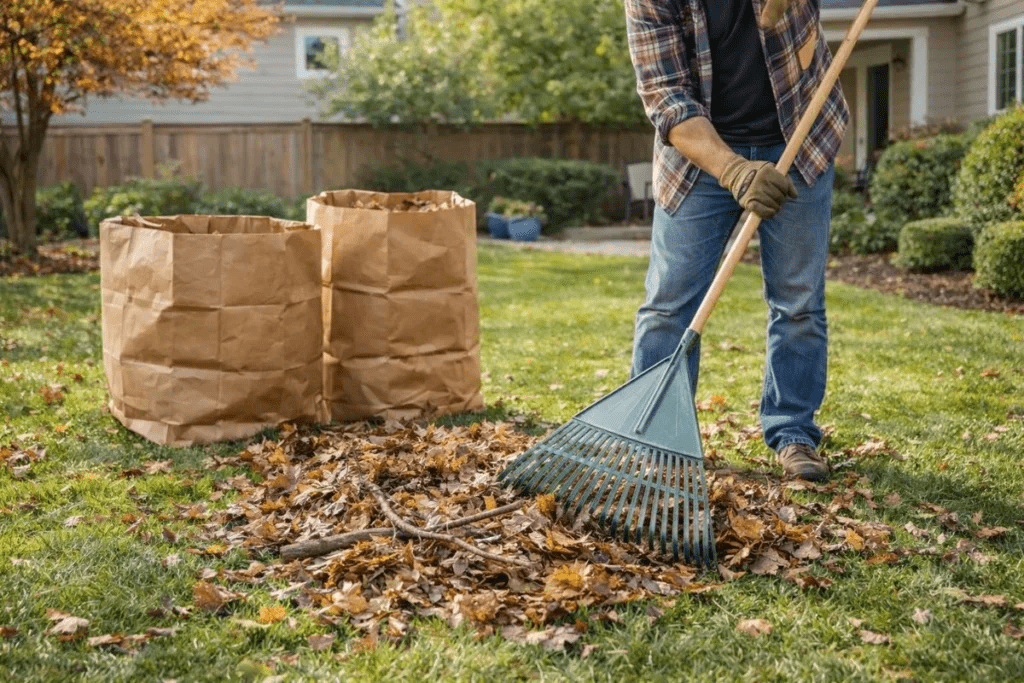
Yard Waste Removal: A Complete Guide to Managing Garden and Outdoor Debris
Maintaining a clean and attractive outdoor space involves more than mowing the lawn and watering plants. Trees, shrubs, grass, branches, leaves, weeds, and other organic materials naturally accumulate throughout the year, creating a growing pile of debris that can quickly become difficult to manage. When this material is left scattered around a property, it can make outdoor areas look untidy and may also create practical problems. Proper yard waste removal provides an effective way to collect, organize, and dispose of unwanted organic debris while keeping outdoor spaces functional and presentable. Whether the waste comes from routine lawn maintenance, seasonal pruning, landscaping projects, or storm cleanup, having a clear disposal strategy makes outdoor maintenance much easier. Understanding what qualifies as yard waste, how it should be handled, and which disposal methods are available can help homeowners maintain cleaner surroundings while making responsible decisions about organic materials.
What Counts as Yard Waste?
Yard waste generally includes organic materials produced through regular outdoor maintenance and landscaping activities. Common examples include grass clippings, fallen leaves, small branches, twigs, weeds, hedge trimmings, plant stems, and unwanted garden vegetation. Larger materials may also result from tree trimming, shrub removal, garden renovations, or clearing overgrown areas. Although these materials are biodegradable, that does not mean they can simply be left in piles indefinitely. Large quantities can become difficult to move, attract insects, retain moisture, and interfere with the appearance and usability of outdoor areas. Understanding the types of materials involved is the first step toward choosing an appropriate disposal method. Once waste is separated according to its type and quantity, it becomes much easier to determine whether it should be composted, recycled, chipped, collected, or transported away.
Why Proper Disposal Matters
Organic debris may seem harmless because it naturally breaks down, but unmanaged piles can create several problems. Wet leaves can become slippery, dense layers of grass can develop unpleasant odors, and piles of branches can provide hiding places for insects and other unwanted pests. Accumulated vegetation can also block walkways, cover drainage areas, and make routine lawn maintenance more difficult. In addition, leaving large amounts of waste in an outdoor area can make an otherwise well-maintained property appear neglected. Yard waste removal helps address these concerns by taking accumulated materials out of the immediate living and working environment. Proper disposal also reduces the temptation to burn debris or place unsuitable organic material in ordinary household garbage. A thoughtful approach to waste management can therefore improve cleanliness, convenience, safety, and the overall appearance of an outdoor space.
Common Sources of Outdoor Debris
Yard waste can come from many different activities, and the amount generated often depends on the size and condition of the property. Routine mowing produces grass clippings, while hedge trimming creates leaves and small branches. Seasonal changes can produce large quantities of fallen leaves, especially when several mature trees are present. Gardening projects may create discarded roots, stems, weeds, soil-covered plants, and other organic material. Tree pruning can generate heavier branches that are difficult to place in ordinary waste containers. Storms may create an even larger cleanup challenge by leaving broken limbs, scattered branches, and damaged vegetation throughout an outdoor area. Because these sources vary considerably, disposal methods should be selected according to the volume, size, weight, and condition of the materials rather than treating every type of debris in exactly the same way.
Benefits of Professional Yard Waste Removal
When the amount of outdoor debris becomes too large to manage with household tools, professional assistance can make the cleanup process significantly easier. A professional service can often handle collection, lifting, loading, transportation, and disposal in a single process, reducing the physical effort required from the property owner. This can be especially useful after major landscaping work or extensive pruning when debris is too bulky for standard containers. Yard waste removal services may also have access to appropriate vehicles and equipment for transporting large quantities of organic material efficiently. Instead of spending an entire weekend making repeated trips, property owners can focus on restoring and enjoying their outdoor space. Professional assistance can also reduce the risk of injury associated with lifting heavy branches, repeatedly bending to collect debris, or attempting to move awkward piles without suitable equipment.
Preparing Waste Before Collection
Good preparation can make any cleanup project faster and more organized. Before arranging a collection, it is useful to separate organic debris from household garbage, construction materials, stones, plastics, and other unwanted items. Smaller branches can sometimes be bundled if local disposal requirements allow it, while leaves and grass may be gathered into appropriate containers or bags. Sharp branches should be handled carefully, and heavy logs may need to be separated from lighter materials so that they can be managed safely. Keeping debris in an accessible location can also make collection more efficient, provided that the placement does not block pathways or create a safety hazard. If a professional service is being used, asking about accepted materials and preparation requirements in advance can prevent delays and ensure that everything is ready when the collection takes place.
Composting as an Alternative
Not every type of yard debris needs to be transported away. Many organic materials can be composted and transformed into a useful soil amendment. Leaves, grass clippings, small plant trimmings, and certain garden materials can contribute valuable organic matter when properly composted. Composting reduces the amount of material sent for disposal while creating a resource that can support gardens, flower beds, trees, and other plants. However, successful composting requires suitable space, moisture control, airflow, and a balanced mixture of materials. Large branches, diseased plants, heavily treated vegetation, and certain invasive weeds may not be appropriate for a basic home compost pile. Property owners should therefore understand what materials are suitable before adding everything to the same composting area. For large volumes or unsuitable materials, professional disposal may still be the more practical solution.
Recycling Organic Materials
Some forms of yard debris can be processed rather than simply discarded. Branches and woody materials can often be chipped into mulch, which may later be used around trees, garden beds, or landscaped areas. Leaves can sometimes be processed into compost or leaf mold, while clean organic material may be accepted by specialized green-waste facilities. Recycling helps extend the useful life of materials that would otherwise become waste. It can also reduce the volume of debris that must be transported and processed elsewhere. Before placing materials into a recycling stream, it is important to understand the specific requirements of the facility or collection provider. Contamination from plastic bags, treated lumber, rocks, metal, or household garbage can make organic material unsuitable for certain processing systems. Sorting waste carefully therefore plays an important role in successful recycling.
Seasonal Yard Cleanup
Outdoor debris management often becomes particularly important during seasonal transitions. Autumn can produce substantial quantities of leaves, while spring cleanup may involve dead vegetation, broken branches, and leftover plant material from colder months. Summer maintenance can generate large amounts of grass clippings and hedge trimmings, especially when plants are growing rapidly. After severe weather, damaged branches and scattered vegetation may require immediate attention. Planning ahead for these predictable periods can make cleanup much less stressful. Rather than allowing debris to accumulate until it becomes overwhelming, property owners can schedule smaller cleanup sessions throughout the year. Regular yard waste removal can keep outdoor spaces manageable and prevent seasonal debris from turning into a much larger project later. A consistent maintenance routine is often more efficient than waiting for several months of accumulated material to require one major cleanup.
Handling Large Branches and Tree Debris
Tree maintenance can produce some of the most challenging forms of outdoor waste. Small branches may be easy to collect, but larger limbs can be heavy, awkward, and difficult to transport without suitable equipment. Cutting large branches into smaller pieces may make them easier to handle, but improper cutting techniques can create unnecessary safety risks. Property owners should avoid attempting to move extremely heavy or unstable material without the right tools and assistance. Large piles can also take up significant space and may be difficult to fit into ordinary collection containers. When tree debris exceeds normal household disposal capacity, a specialized service can provide a safer and more efficient solution. Removing bulky material promptly also helps restore access to walkways, lawns, driveways, and garden areas that may otherwise remain obstructed.
Avoiding Common Disposal Mistakes
One of the most common mistakes is mixing yard debris with materials that cannot be processed through organic waste systems. Plastic, glass, metal, treated wood, chemicals, and household garbage may contaminate an otherwise useful load of organic material. Another mistake is placing too much debris into containers that are not designed for heavy loads. Overfilled containers can become difficult to move and may create hazards for anyone handling them. Burning yard waste is another approach that can create smoke, fire hazards, and air-quality concerns, depending on applicable rules and conditions. Dumping organic debris in unauthorized areas can also damage natural spaces and create environmental problems. Choosing a suitable disposal method from the beginning can prevent these issues and make the entire cleanup process more efficient.
Making Outdoor Maintenance More Efficient
Efficient waste management begins with a practical maintenance routine. Regularly trimming plants, collecting leaves, and removing fallen branches can prevent debris from accumulating into large, difficult piles. Keeping basic tools such as rakes, pruning equipment, bins, tarps, and protective gloves available can make smaller cleanup tasks easier. For larger projects, planning the work around the amount of waste that will be generated can prevent disposal from becoming an afterthought. It is also helpful to identify suitable collection or recycling options before beginning major landscaping work. This approach allows debris to be managed as it is created rather than leaving everything until the end. When the volume exceeds what can reasonably be handled at home, professional yard waste removal can provide a convenient way to complete the cleanup without disrupting other responsibilities.
Environmental Advantages of Responsible Disposal
Responsible management of organic debris can provide environmental benefits beyond simply improving appearance. Composting and recycling can return nutrients and organic matter to the soil while reducing the amount of material requiring disposal. Proper processing may also allow branches and leaves to become useful mulch or soil amendments instead of being treated as useless waste. Preventing illegal dumping protects waterways, open spaces, drainage systems, and natural habitats from unnecessary debris accumulation. Good disposal practices can also reduce the need for burning organic waste, helping limit unnecessary smoke and airborne pollutants. While a single household may generate only a modest amount of material, responsible practices become more meaningful when adopted across many properties. Small decisions about how leaves, branches, and garden debris are handled can contribute to broader waste-reduction efforts.
Choosing a Suitable Removal Service
When professional assistance is needed, it is important to evaluate a service based on its ability to handle the specific type and volume of waste involved. Property owners should determine whether the provider accepts leaves, grass, branches, shrubs, roots, and other materials they need removed. It is also useful to ask how pricing is calculated, whether labor and transportation are included, and how the collected material is ultimately processed or disposed of. Clear communication before the appointment can help avoid misunderstandings about the size of the load or the materials being collected. A dependable provider should also have suitable equipment and follow safe handling practices. Comparing services based on reliability, accepted materials, convenience, and transparent pricing can help property owners choose an option that matches the needs of their cleanup project.
Cost Considerations
The cost of removing outdoor debris can vary depending on several factors, including the total volume, type of material, weight, accessibility, and amount of labor required. A small pile of leaves may be inexpensive to manage, while a large collection of branches from extensive tree work can require additional equipment and labor. Some services charge based on the amount of space the debris occupies in a collection vehicle, while others may use fixed project rates or other pricing structures. Preparing the material properly can sometimes reduce handling time and make the process more efficient. Property owners should obtain clear pricing information before the work begins and ask whether there are additional charges for oversized or particularly heavy materials. Understanding the pricing structure in advance makes it easier to compare options and plan a realistic cleanup budget.
Safety During Yard Cleanup
Safety should always remain a priority when collecting and moving organic debris. Branches can have sharp edges, hidden nails, unstable structures, or significant weight, while wet leaves can create slippery surfaces. Protective gloves, appropriate footwear, and other basic safety equipment can reduce the risk of minor injuries during routine cleanup. When using powered tools, operators should follow manufacturer instructions and avoid working beyond their level of experience. Heavy materials should be lifted with proper technique, and assistance should be requested when an item is too large or awkward for one person. Children and pets should also be kept away from active cleanup areas. If debris is extensive or involves large tree limbs, using trained professionals may be a safer choice than attempting the entire project independently.
Creating a Long-Term Waste Management Plan
A long-term plan can make outdoor waste much easier to manage throughout the year. Start by identifying which materials are commonly produced on the property and estimating when larger amounts are likely to appear. Leaves may require seasonal collection, while grass clippings and small trimmings may be generated continuously. Decide which materials can be composted or reused and which will require collection or transportation. Keeping debris separated from the beginning prevents contamination and reduces sorting work later. It can also be useful to maintain a small composting area for suitable organic material while arranging periodic collection for larger debris. With a consistent system in place, outdoor cleanup becomes a routine part of property maintenance rather than a major task that only receives attention when the debris becomes overwhelming.
Final Thoughts
Managing leaves, grass, branches, weeds, and other outdoor debris is an important part of maintaining a clean and functional property. The right approach depends on the type and quantity of material, the available space, the equipment on hand, and the disposal options accessible to the property owner. Composting and recycling can provide excellent solutions for suitable organic materials, while larger or more difficult loads may require professional assistance. By preparing debris properly, avoiding unsafe disposal practices, and planning seasonal cleanup in advance, property owners can keep outdoor areas attractive and easier to maintain. For substantial projects, yard waste removal offers a practical solution for handling accumulated debris without requiring property owners to manage every stage of collection and transportation themselves. With regular maintenance and responsible disposal practices, outdoor waste can be managed efficiently while supporting a cleaner, safer, and more organized environment.