Professional Tree Lopping Explained: Planning, Safety, Techniques, and Property Protection
Trees are an important part of any outdoor environment, providing shade, beauty, privacy, wildlife habitat, and numerous environmental benefits. As trees grow, however, their branches can become too large, dense, weak, or poorly positioned for the surrounding landscape. Overgrown branches may interfere with buildings, pathways, fences, vehicles, power infrastructure, or other structures, while dead and damaged limbs can create safety concerns. Regular tree maintenance helps address these issues while supporting the long-term health and structural stability of trees. One form of maintenance that property owners may consider is tree lopping, particularly when substantial branches need to be reduced or removed for safety and management purposes. Because cutting large branches can significantly affect a tree’s structure, this type of work should be planned carefully and carried out using appropriate techniques.
Responsible tree maintenance is not simply about making a tree smaller. Trees have complex growth patterns, and every major cut can influence future development. Removing branches without understanding their purpose or the way the tree will respond can result in weak regrowth, unnecessary stress, decay, or structural instability. Professional tree care specialists can assess the condition of a tree and determine which branches require attention while preserving as much healthy growth as possible. A thoughtful approach considers the tree’s size, age, species, condition, surrounding structures, and long-term maintenance requirements. This helps property owners address immediate concerns without creating additional problems in the future.
What Tree Lopping Involves
Tree lopping generally refers to the substantial reduction or removal of branches from a tree. Unlike light pruning, which may involve selectively removing a small number of branches, lopping can involve larger sections of the canopy. The purpose may be to reduce the size of an overgrown tree, remove branches that are creating hazards, improve clearance around structures, or manage growth in a restricted area. However, substantial branch removal should never be approached casually because trees depend on their branches and leaves for energy production and structural support.
A tree’s canopy is an interconnected system. Leaves capture sunlight and help produce the energy needed for growth, while branches distribute that energy and provide structural support. Removing too much canopy at once can reduce the tree’s ability to sustain normal growth. Large cuts can also create wounds that require considerable time to close. For these reasons, responsible tree care focuses on making only the cuts that are necessary and using techniques that support the tree’s natural recovery.
The term lopping is sometimes used broadly to describe various forms of substantial tree cutting, but not every form of heavy pruning is appropriate for every tree. In many situations, selective crown reduction or structural pruning may provide a better alternative because these methods can address clearance and safety concerns while preserving a more natural canopy. A qualified tree professional can explain the most suitable approach after inspecting the individual tree.
Why Overgrown Trees Can Become a Concern
Trees can grow significantly over the course of several years, especially when they receive sufficient sunlight, water, and nutrients. Branches that were once safely positioned may eventually extend over roofs, driveways, walkways, fences, or other areas where they become inconvenient. Large branches may also become heavier as they grow, increasing the consequences of failure if they become weak or damaged.
Dead branches are particularly important to monitor. Once a branch dies, it can become brittle and more vulnerable to breaking. Cracks, decay, storm damage, and weak branch connections can further increase the risk of falling limbs. Branches located above areas where people regularly walk or park vehicles deserve particular attention because failure could result in injury or property damage.
Overgrown trees can also create maintenance problems. Branches may interfere with gutters, block windows, scrape against roofs, or make it difficult to maintain other parts of the property. Dense canopies can create excessive shade and reduce airflow, while fallen leaves and small branches may accumulate around drainage systems. Appropriate maintenance can help control these issues without unnecessarily damaging the tree.
The Difference Between Pruning and Heavy Reduction
Understanding the difference between routine pruning and major canopy reduction is important when planning tree care. Routine pruning usually involves removing dead, damaged, crossing, or poorly positioned branches while preserving most of the existing canopy. The goal is often to improve structure, airflow, and appearance while encouraging healthy growth.
Heavy reduction is more substantial. It may involve removing larger branches to decrease the overall size or spread of a tree. Although there are situations where significant reduction may be necessary, it requires greater care because larger cuts have a greater effect on the tree. Removing major limbs can also alter the balance of the canopy and influence how new branches develop.
Property owners should therefore avoid assuming that aggressive cutting is always the best solution for an overgrown tree. A professional may recommend selective pruning, crown reduction, removal of specific hazardous branches, or another strategy depending on the circumstances. The objective should be to solve the actual problem while causing the least unnecessary stress to the tree.
Safety Considerations During Tree Work
Working on trees can be dangerous, particularly when branches are large, heavy, or positioned near structures. A branch may move unexpectedly when cut because of its weight and tension. Falling limbs can damage roofs, vehicles, fences, landscaping, and other property. Working at height also creates significant risks when ladders, climbing equipment, chainsaws, or other specialized tools are involved.
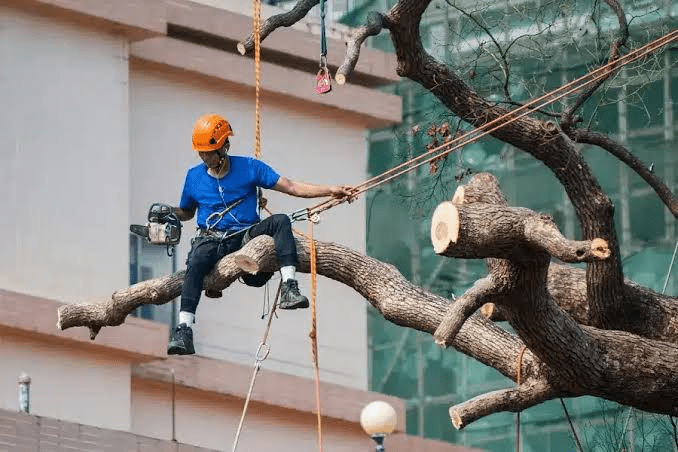
Professional tree workers are trained to assess these hazards before beginning a job. They can determine how branches are likely to move and establish appropriate cutting and lowering procedures. In difficult situations, ropes and specialized equipment may be used to control the movement of branches rather than allowing them to fall freely.
Safety also involves protecting people and animals near the work area. Children and pets should be kept away from active tree work, while vehicles and outdoor furniture may need to be relocated. A professional crew should establish a suitable work zone and use appropriate protective equipment throughout the project.
Protecting the Health of the Tree
The health of a tree should remain a central consideration whenever significant branches are removed. Trees respond to pruning through natural processes that compartmentalize wounds and produce new growth. The amount and location of cuts can influence how effectively these processes occur.
Large unnecessary wounds may take longer to recover and can create opportunities for decay organisms and pests. Excessive canopy removal can also reduce the tree’s ability to produce energy. This is why experienced professionals generally avoid removing large amounts of healthy growth unless there is a clear reason to do so.
Proper cutting technique is equally important. Branches should be removed in a way that minimizes damage to the trunk and remaining limbs. Leaving large stubs or cutting too deeply into important branch structures can interfere with natural healing. A professional assessment helps identify suitable cutting points and reduces the likelihood of unnecessary damage.
Managing Trees Near Buildings
Trees growing close to buildings can provide shade and visual appeal, but they may eventually require careful management. Branches that extend over roofs can scrape against roofing materials, while fallen leaves and twigs may accumulate in gutters. Limbs growing toward windows can interfere with natural light or become problematic during strong winds.
The solution is not necessarily to remove the entire tree or dramatically reduce its canopy. In many cases, targeted pruning can create sufficient clearance while preserving the majority of the tree. Branches can be selectively removed or reduced to maintain an appropriate distance from structures.
Trees near driveways and pathways also require consideration. Low branches can interfere with vehicles or pedestrians, while weak branches above these areas may present avoidable hazards. Regular inspections allow property owners to identify developing problems before branches become significantly larger and more difficult to manage.
Choosing a Qualified Tree Care Professional
Selecting an experienced tree care provider is one of the most important decisions a property owner can make. Tree work involves specialized knowledge and equipment, so choosing a provider based solely on the lowest price can create unnecessary risks. Customers should look for professionals who demonstrate experience, appropriate safety practices, clear communication, and a thorough understanding of tree health.
Before work begins, property owners should ask what branches will be removed and why. A reputable professional should be able to explain the recommended approach rather than simply suggesting extensive cutting. The company should also provide information about the expected scope of work, cleanup, equipment, and other relevant details.
Insurance and safety procedures are also worth discussing. Tree work can involve significant hazards, so customers should feel comfortable knowing that the company takes appropriate precautions. Written estimates and clear service agreements can further reduce misunderstandings about what is included in the project.
Preparing for Tree Maintenance
Property owners can make tree work more efficient by preparing the surrounding area before professionals arrive. Vehicles should be moved away from the work zone, and outdoor furniture, decorations, toys, and other movable objects should be relocated when possible. Windows and other vulnerable areas may also need to be protected depending on the nature of the project.
It is useful to identify any specific concerns before the work begins. For example, a property owner may be particularly concerned about branches over a roof, limbs interfering with a driveway, or growth blocking an outdoor view. Communicating these priorities allows the tree care team to consider them when developing the work plan.
Access should also be discussed. Tree workers may need room for equipment, ladders, trucks, ropes, or branch removal. Providing suitable access can improve efficiency and help the crew complete the project more safely.
How Weather Can Affect Tree Condition
Weather can significantly influence tree health and branch stability. Strong winds may break weak limbs, while heavy rainfall can increase the weight of wet branches and saturate the surrounding soil. Storms can also reveal structural weaknesses that were not obvious during ordinary conditions.
After severe weather, property owners should inspect trees from a safe distance. Hanging branches, fresh cracks, split limbs, exposed roots, or significant changes in the tree’s position can indicate potential hazards. Property owners should avoid approaching unstable trees or attempting to cut dangerous branches themselves.
Emergency tree work may sometimes be necessary when a branch has fallen or become severely damaged. In such situations, professional assistance is preferable because unstable branches can behave unpredictably. A qualified tree professional can assess the situation and determine the safest way to remove damaged material.
Common Mistakes Property Owners Should Avoid
One of the most common mistakes is attempting major tree work without the appropriate knowledge or equipment. Cutting a small branch from ground level may seem manageable, but large limbs can behave differently and create serious risks. Climbing trees with unsuitable equipment can also result in severe injuries.
Another mistake is removing too much of the canopy simply because a tree appears overgrown. A tree may look dramatically smaller immediately after heavy cutting, but excessive reduction can cause stress and encourage weak regrowth. The goal should be controlled management rather than maximum removal.
Improper cuts are another concern. Cutting branches at incorrect points can damage the trunk or remaining branch structure. Leaving large stubs can also create long-term problems. Professional tree care providers understand these issues and can use appropriate techniques to reduce unnecessary damage.
Property owners should also avoid ignoring small warning signs. A cracked branch or small area of decay may seem insignificant, but it can develop into a larger structural problem over time. Regular inspections and timely maintenance are often more effective than waiting until a tree becomes an emergency.
Long-Term Benefits of Responsible Tree Care
Proper tree maintenance can provide benefits that extend well beyond immediate appearance. Healthy, structurally sound trees are generally better equipped to withstand normal environmental stresses. Maintaining appropriate branch structure can also reduce interference with surrounding property and improve the overall appearance of the landscape.
Well-maintained trees can contribute to curb appeal and create a more attractive outdoor environment. Their natural shapes can complement buildings and landscaping while providing shade and privacy. Maintaining them responsibly helps preserve these benefits without unnecessarily sacrificing healthy growth.
Regular professional inspections can also help property owners plan maintenance rather than reacting to emergencies. A long-term approach may identify branches that will eventually require attention and allow work to be scheduled before they become hazardous. This can make tree care more predictable and easier to manage.
For property owners considering tree lopping, it is particularly important to understand that substantial cutting should be based on a specific need and performed using appropriate techniques. The best results come from balancing safety, appearance, structural stability, and long-term tree health rather than focusing solely on reducing the size of the canopy.
Creating a Sustainable Tree Maintenance Plan
A sustainable maintenance plan begins with understanding the trees present on the property. Different species have different growth patterns, structural characteristics, and responses to pruning. Young trees may require structural training, while mature trees may need periodic removal of dead or damaged branches and selective canopy management.
Inspections should be performed regularly, especially after significant weather events or when noticeable changes occur. Property owners should pay attention to dead branches, cracks, unusual growth, decay, leaning, root problems, and other visible concerns. When something appears unusual, professional assessment can provide a more reliable understanding of the situation.
Maintenance should also be scheduled before problems become severe. Allowing branches to grow unchecked for many years can make future work more complicated and expensive. Regular, moderate maintenance is often easier to manage than infrequent, drastic intervention.
Final Thoughts
Trees are long-term assets that require thoughtful care to remain healthy, attractive, and safe. While significant branch reduction may sometimes be necessary, it should never be treated as a simple matter of cutting away as much growth as possible. Every branch contributes to the tree’s structure and ability to produce energy, so removal should be based on a clear purpose and carried out using appropriate methods.
Professional tree care can help property owners manage overgrown branches, damaged limbs, clearance issues, and other concerns while reducing unnecessary risks. Experienced professionals can assess the condition of a tree, identify potential hazards, recommend appropriate maintenance, and complete difficult work using specialized equipment and safety procedures. Their expertise can be particularly valuable when large branches are located near buildings, vehicles, pathways, or other important areas.
Ultimately, responsible tree maintenance is about finding the right balance between safety and preservation. A healthy tree should not be aggressively altered simply because it has grown larger than expected. Instead, maintenance should address genuine concerns while respecting the tree’s natural structure and future growth. With regular inspections, careful pruning decisions, professional assistance when necessary, and a long-term approach to landscape care, property owners can enjoy the many benefits of healthy trees while reducing avoidable hazards.