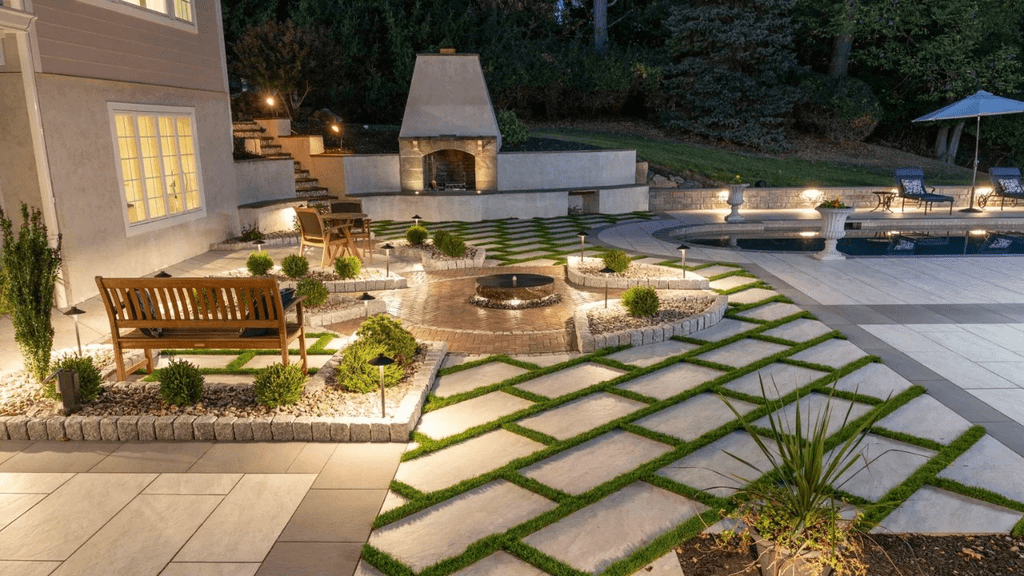
Transforming Outdoor Spaces with Durable and Well-Planned Paver Installation
Outdoor spaces can play a major role in the appearance, functionality, and overall value of a property. A thoughtfully designed patio, walkway, driveway, or entertaining area can make an ordinary yard feel more organized, attractive, and useful. Among the many options available for creating durable outdoor surfaces, pavers have become a popular choice because they combine visual appeal with practical performance. They are available in numerous shapes, sizes, textures, colors, and patterns, allowing property owners to create surfaces that complement the architectural style of their homes while meeting everyday functional needs. However, the quality of the finished surface depends on much more than the appearance of the individual pavers. Proper preparation, drainage, material selection, installation techniques, and ongoing maintenance all contribute to long-term performance. Professional paver installation focuses on these important details to create an outdoor surface that looks attractive while remaining stable and dependable for years.
Understanding the Benefits of Paved Outdoor Surfaces
Pavers offer several advantages compared with many traditional outdoor surfacing materials. Unlike a single continuous slab, an interlocking paver surface consists of individual units that work together as a flexible pavement system. This construction can provide useful benefits when the surface experiences normal movement, temperature changes, moisture, or everyday traffic. If an individual paver eventually becomes damaged or stained, it can generally be removed and replaced without having to reconstruct the entire surface. This makes repairs and future maintenance more manageable than they may be with certain monolithic surfaces.
Another important advantage is design flexibility. Pavers can be arranged in running bond, basket-weave, herringbone, circular, modular, and many other patterns. Different colors and textures can also be combined to create borders, focal points, pathways, or decorative accents. This flexibility allows a paved area to be customized according to its purpose and the surrounding landscape. A simple walkway may benefit from a clean and understated pattern, while a large patio can incorporate multiple textures and borders to establish separate visual zones for dining, seating, or entertaining.
Durability is another reason homeowners and property managers consider pavers for outdoor projects. A properly designed pavement system distributes loads through the surface and supporting layers rather than relying solely on the strength of one continuous material. Industry organizations such as the Concrete Masonry & Hardscapes Association provide technical resources focused on concrete pavers and hardscape construction, emphasizing the importance of proper system design and construction practices.
Planning the Project Before Construction Begins
Successful paver installation begins long before the first unit is placed. Careful planning helps determine the appropriate materials, layout, dimensions, drainage strategy, and base requirements. Rushing into construction without considering these factors can lead to unnecessary material waste, poor drainage, uneven surfaces, and costly corrections later. A professional assessment should begin by evaluating the area where the paved surface will be installed and determining how the finished space will be used.
The intended purpose of the area is especially important. A pedestrian walkway does not necessarily require the same structural preparation as a driveway that will regularly support vehicles. Likewise, a decorative patio may have different requirements from a commercial walkway or heavily used entrance. The expected traffic, soil conditions, slope, moisture exposure, and surrounding structures should all be considered before construction begins.
Measurements should be taken carefully so the installer can estimate the required quantities of pavers, base material, bedding material, edge restraints, and jointing material. It is also wise to account for cutting and potential future repairs when ordering materials. Choosing a product that is readily available can make future replacement easier if individual pavers ever need to be changed.
The layout should also account for existing landscaping, drainage structures, doors, steps, utility features, and property boundaries. Thoughtful planning ensures that the finished surface integrates naturally with the rest of the property instead of appearing like an isolated addition.
Preparing a Stable Foundation
One of the most important aspects of a durable paved surface is the foundation beneath it. Even high-quality pavers can develop problems when they are installed over an improperly prepared base. The surface may shift, settle, develop low areas, or become uneven when the supporting layers cannot adequately handle the expected loads and environmental conditions.
Preparation generally involves removing unsuitable surface material and establishing the appropriate depth for the pavement system. Loose soil, organic material, roots, debris, and other unstable materials should be addressed before the structural layers are installed. The exposed area must then be shaped and compacted according to the requirements of the project.
The base material plays a critical structural role. It creates a firm platform beneath the bedding layer and helps distribute loads through the pavement system. Proper compaction is particularly important because poorly compacted material can settle after the project is completed, creating depressions or uneven areas. Compaction should be performed in suitable stages rather than relying on a single pass over a thick layer.
Soil conditions can vary considerably from one property to another. Some sites may have dense, stable soil, while others may contain clay, loose fill, organic material, or areas that retain water. A professional installer should recognize these differences and adjust the preparation process when necessary. Treating every project exactly the same can produce inconsistent results because the ground beneath the pavement is part of the system itself.
The Importance of Proper Drainage
Water management is one of the most important considerations in any outdoor paving project. Water that cannot drain effectively may accumulate beneath the surface, weaken supporting materials, contribute to settlement, or create unwanted erosion around the paved area. A well-planned project should therefore consider where rainfall and other sources of water will go before the pavers are installed.
The finished surface typically needs an appropriate slope so water can move away from structures and toward suitable drainage areas. The exact approach depends on site conditions, surrounding grades, local requirements, and the type of pavement being constructed. Drainage planning becomes particularly important near buildings, retaining walls, foundations, entrances, and areas where water naturally collects.
Permeable paving systems can provide another approach to stormwater management in suitable applications. Research into permeable interlocking concrete pavement has examined how open-graded aggregate layers can influence runoff and water quality. These systems are not appropriate for every project, but they demonstrate how pavement design can sometimes contribute to broader water-management goals.
Drainage should never be treated as an afterthought. If water-management problems are discovered only after construction, correcting them can require removing finished materials and rebuilding sections of the pavement. Incorporating drainage into the original design is generally more efficient and helps protect the investment.
Choosing the Right Pavers
Selecting pavers involves more than choosing a color that looks attractive. The product should be appropriate for the intended application and compatible with the overall design of the property. Factors such as size, thickness, texture, strength, surface finish, color, and pattern should all be considered.
For areas exposed to vehicle traffic, the paver system must be designed to withstand the expected loads. Pedestrian areas may provide greater flexibility in appearance, but durability and slip resistance can still be important considerations. Climate and exposure should also influence the choice of materials, particularly in environments where the surface is frequently exposed to moisture, intense sunlight, or significant temperature changes.
Color selection deserves careful thought because outdoor surfaces can influence the appearance of an entire property. Neutral tones can create a timeless appearance, while contrasting colors can define borders and focal areas. Mixing several closely related shades can produce a more natural look and may help disguise minor dirt or weathering.
Texture can influence both appearance and usability. Smooth pavers may provide a clean, contemporary aesthetic, while textured finishes can create a more natural or traditional appearance. The surface should be selected based on both design preferences and practical requirements rather than appearance alone.
Installing the Bedding Layer
After the structural base has been prepared and compacted, an appropriate bedding layer is established. This layer helps create a consistent surface for placing the individual pavers. Maintaining an even bedding layer is important because inconsistencies beneath the pavers can contribute to unevenness in the finished surface.
The bedding material should be installed according to the specifications appropriate for the chosen pavement system. It should be distributed evenly and carefully prepared without creating unnecessary low or high areas. Installers must also avoid disturbing the prepared layer during subsequent work.
At this stage, precision becomes increasingly important because small inconsistencies can become noticeable across large paved areas. Professional installers use appropriate tools and techniques to establish the desired grade and maintain consistency throughout the project.
Laying the Pavers Correctly
The visible portion of the project begins when the individual pavers are placed. Although this step may appear straightforward, maintaining accurate lines, consistent patterns, and appropriate spacing requires experience and attention to detail. The selected pattern should be followed carefully, with cuts planned around edges, corners, structures, and other obstacles.
Straight lines should remain consistent across the project, while curved layouts require careful measuring and cutting. Borders can be used to frame the main field of pavers and provide additional visual definition. They may also contribute to the structural organization of the pavement system when properly incorporated into the design.
Pavers should be positioned without unnecessarily disturbing the prepared bedding layer. Once the main field is complete, edge pieces can be measured and cut to fit the perimeter. Clean, accurate cuts can make a significant difference in the professional appearance of the finished project.
A reliable paver installation process also includes attention to transitions between different surfaces. Connections to steps, concrete slabs, driveways, doors, drainage structures, and landscaping should be carefully planned so that the finished area looks intentional and functions safely.
Securing the Edges and Joints
The perimeter of a paved area deserves particular attention because movement at the edges can gradually affect the rest of the surface. Appropriate edge restraints help keep the individual units contained and maintain the intended layout. The specific restraint method depends on the project design, surrounding conditions, and installation system.
Joint material is also important because the spaces between pavers contribute to the interlocking behavior of the surface. Once the pavers are placed, suitable jointing material is worked into the spaces and the pavement is compacted using appropriate equipment and procedures. The goal is to achieve a stable, interconnected surface rather than a collection of independent units.
The joints should be filled properly and inspected after compaction. Depending on the selected materials and site conditions, additional joint material may sometimes be needed after the initial installation. Properly maintained joints can help reduce unwanted movement and contribute to the overall appearance of the pavement.
Common Problems Caused by Poor Installation
Many paving problems can be traced back to inadequate preparation rather than defective pavers. One of the most common issues is uneven settlement. When the underlying soil or base material has not been properly prepared and compacted, sections of the pavement may sink over time. This can create depressions that collect water and make the surface uncomfortable or unsafe to walk across.
Poor drainage is another frequent problem. Water can enter joints and move into the supporting layers, particularly when the project lacks an effective drainage strategy. Over time, moisture-related problems can contribute to instability and erosion around the edges.
Improperly secured edges can also allow pavers to spread outward. Once movement begins along the perimeter, the joints may widen and the surface can gradually lose its original alignment. Incorrect joint filling, inadequate compaction, and inconsistent bedding thickness can create additional problems.
Trying to reduce costs by skipping important preparation steps may seem attractive initially, but it can result in higher expenses later. Rebuilding a failed pavement system often requires removing the pavers, correcting the base, replacing materials, and reinstalling the surface. Investing in proper construction from the beginning is usually a more sensible long-term approach.
Maintaining a Paved Surface
One of the advantages of pavers is that routine maintenance can be relatively straightforward. Regular sweeping helps remove dirt, leaves, and debris before they accumulate in the joints or stain the surface. Occasional cleaning can help preserve the appearance of the pavers, although cleaning methods should be appropriate for the specific material and finish.
Weeds that emerge between pavers should be addressed before their roots become established. Joint material may occasionally need attention, especially in areas exposed to heavy rainfall, frequent traffic, or repeated cleaning. Promptly replacing damaged or displaced units can also prevent minor issues from becoming larger problems.
It is useful to inspect the surface periodically for signs of movement, settlement, drainage problems, damaged edges, or deteriorating joints. Early detection allows property owners to address isolated problems before they affect a larger portion of the pavement.
Professional paver installation can create a durable foundation for an outdoor space, but even the best installation benefits from responsible maintenance. Keeping the surface clean, maintaining joints, monitoring drainage, and correcting small problems promptly can extend the useful life of the pavement and preserve its visual appeal.
Improving Curb Appeal and Outdoor Functionality
A well-designed paved area can significantly change how a property is used. A previously underutilized section of a yard can become an outdoor dining area, seating space, fire feature area, garden walkway, or entertainment zone. Pavers can also establish clearer movement patterns by connecting entrances, patios, gardens, driveways, and other outdoor features.
Design should balance appearance with functionality. A beautiful patio may become frustrating if furniture cannot be positioned comfortably, while a decorative walkway may be impractical if its width does not accommodate normal foot traffic. Thinking about how people will actually use the space helps create a result that remains useful long after the construction is complete.
Lighting, landscaping, retaining walls, outdoor furniture, and drainage features can all be incorporated into the broader design. When these elements are planned together, the paved surface becomes part of a cohesive outdoor environment rather than simply a standalone hardscape feature.
Choosing a Qualified Professional
Selecting an experienced contractor can make a major difference in the outcome of a paving project. Property owners should look for professionals who can explain their preparation process, material choices, drainage strategy, installation methods, and expected maintenance requirements. A trustworthy contractor should be willing to discuss the project clearly rather than focusing only on the final price.
It is also valuable to review examples of previous work and ask about experience with projects similar to the one being planned. The most attractive portfolio does not automatically guarantee quality, but it can provide insight into the contractor’s attention to detail and design capabilities.
A professional should also provide a clear project scope that explains what is included. This can help prevent misunderstandings about excavation, base preparation, material quantities, edge restraints, jointing, cleanup, and other components of the work. Understanding the entire process allows property owners to compare proposals more effectively.
Creating Long-Term Value with Quality Work
A paved outdoor area is more than a decorative improvement. When properly designed and constructed, it can provide a durable surface that supports everyday activities while enhancing the character of the property. The combination of appropriate materials, strong foundation preparation, effective drainage, careful placement, secure edges, and proper jointing creates the conditions needed for long-term performance.
The visual side of the project is equally important. Thoughtful patterns, complementary colors, attractive borders, and carefully planned transitions can turn a functional surface into a distinctive landscape feature. Because pavers are available in so many configurations, property owners have considerable freedom to create designs that suit their preferences without sacrificing practical performance.
Ultimately, successful paving depends on treating the entire surface as a complete system. Individual pavers may be the most visible component, but the layers underneath, drainage design, perimeter restraints, joints, and surrounding landscape all contribute to the finished result. Investing in professional workmanship and quality preparation can help minimize common problems and make the surface easier to maintain over time.
Conclusion
A durable and attractive outdoor surface begins with careful planning and continues through every stage of construction. From evaluating the site and preparing a stable foundation to selecting appropriate pavers, managing drainage, establishing accurate patterns, securing edges, and maintaining the finished area, each step contributes to the final quality. Pavers provide exceptional design flexibility and can transform patios, walkways, driveways, and entertainment areas into practical and attractive extensions of a property.
The success of paver installation ultimately depends on combining good design with sound construction practices. Property owners who prioritize proper preparation, suitable materials, effective water management, and skilled workmanship are more likely to enjoy a surface that remains functional and visually appealing for many years. With thoughtful planning and ongoing care, a paved outdoor space can become a lasting improvement that enhances everyday use, curb appeal, and the overall character of the property.