Why Quality Attic Insulation Is Essential for Improving Energy Efficiency, Indoor Comfort, and Overall Home Performance
A comfortable and energy-efficient home depends on several important factors, including the condition of the roof, walls, windows, doors, ventilation system, and insulation. Among these components, the attic deserves particular attention because it can have a major influence on how easily heat moves in and out of the living space. During warm periods, heat can build up in the upper part of a home and transfer downward, while during colder periods, heated indoor air can escape upward through an inadequately insulated ceiling. Quality attic insulation creates a thermal barrier that slows this movement and helps maintain more stable indoor temperatures. When properly selected and installed, insulation can improve comfort, support energy efficiency, and contribute to better overall building performance for many years.
Understanding the Role of Attic Insulation
The attic is one of the most important areas of a home when it comes to controlling heat transfer. Because warm air naturally rises, the upper portion of a building can experience significant temperature differences compared with occupied rooms. Without an effective thermal barrier, these differences can affect the comfort of the entire home and increase the workload placed on heating and cooling equipment. Quality attic insulation helps reduce the rate at which heat passes through the ceiling between the living area and attic. The result can be a more consistent indoor environment and less unnecessary energy loss. Insulation works best when it is properly installed and combined with appropriate air sealing and ventilation.
Improving Indoor Comfort
Uneven temperatures are a common concern in homes with inadequate insulation. Rooms directly beneath an attic may become especially warm during hot weather or feel colder during cooler periods because the ceiling provides insufficient resistance to heat movement. Improving the thermal barrier can help reduce these temperature fluctuations and create a more comfortable living environment. Attic insulation can support more consistent temperatures by slowing heat transfer between the conditioned areas of the home and the attic space. Although insulation is not the only factor that affects comfort, it can work together with properly balanced HVAC systems, sealed ducts, efficient windows, and weatherstripping. Addressing several areas of the building envelope can produce a more noticeable improvement than relying on a single upgrade.
Supporting Better Energy Efficiency
Energy efficiency is an important consideration for homeowners who want to reduce unnecessary heating and cooling demands. When a home loses conditioned air or allows excessive heat transfer, HVAC equipment may need to operate longer to maintain the desired indoor temperature. Proper insulation can reduce the amount of heat that moves through the ceiling, helping the home retain conditioned temperatures more effectively. Attic insulation can therefore become an important component of a broader energy-efficiency strategy. The actual improvement will depend on the home’s existing insulation level, construction, air leakage, equipment efficiency, and household habits. A professional assessment can help determine whether insulation is one of the main areas contributing to energy loss.
Reducing Heating and Cooling Workloads
Heating and cooling systems are designed to maintain indoor temperatures, but their performance can be affected by the condition of the building envelope. If heat continually enters or leaves through an inadequately insulated attic, the system may have to compensate by running more frequently or for longer periods. Improving the thermal barrier can help reduce this constant exchange of heat. Attic insulation can make it easier for a properly functioning HVAC system to maintain the desired temperature by reducing the rate of heat transfer through the ceiling. While insulation does not eliminate the need for heating or cooling, it can help create conditions in which the equipment operates more efficiently. This can support both comfort and more responsible energy use.
Choosing the Right Insulation Material
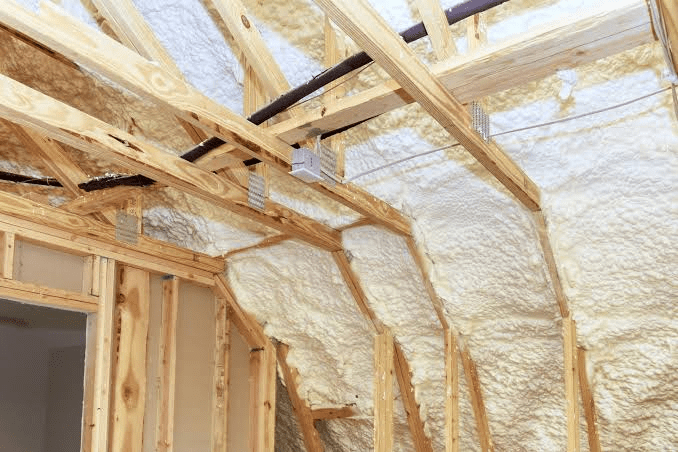
There are several insulation materials available for attic applications, and each option has different characteristics. Fiberglass, cellulose, and spray foam are among the materials commonly considered for residential insulation projects. Fiberglass can be installed in batt or blown forms, while cellulose is often installed as loose-fill material. Spray foam can provide insulation while also helping seal certain air leaks when installed appropriately. The best choice depends on factors such as the attic’s existing condition, available space, ventilation requirements, budget, desired performance, and building design. Attic insulation should not be selected solely on price because material characteristics and installation quality can have a significant effect on long-term performance.
The Importance of Proper Installation
Even the highest-quality insulation material may provide disappointing results if it is installed incorrectly. Gaps, compressed areas, uneven coverage, and insufficient thickness can create weak points where heat moves more easily through the building envelope. Proper installation requires attention to the entire attic area as well as openings around wiring, plumbing, ducts, access hatches, and other building components. Attic insulation should be distributed consistently while maintaining appropriate clearance and ventilation pathways where required. Professional installation can help reduce common problems and ensure that the selected material performs according to its intended characteristics. A careful installation process is therefore just as important as selecting an appropriate insulation product.
Combining Insulation With Air Sealing
Insulation and air sealing perform different but complementary functions. Insulation slows heat transfer, while air sealing reduces unwanted movement of air through gaps and openings in the building envelope. Attics often contain openings around electrical wiring, plumbing penetrations, ducts, vents, recessed fixtures, and access panels. If these areas are left unsealed, conditioned air can escape even when insulation is present. Attic insulation can provide better overall results when major air leaks are addressed as part of the same improvement project. Identifying and sealing appropriate openings before installing or upgrading insulation can improve the effectiveness of the thermal barrier and help create a more complete approach to energy efficiency.
Maintaining Proper Attic Ventilation
Ventilation is another important consideration when improving an attic. Proper ventilation can help manage moisture and airflow under appropriate building conditions, but insulation should not block ventilation pathways that are necessary for the attic system to function correctly. Before adding insulation, the existing ventilation arrangement should be evaluated to ensure that air can move as intended. Attic insulation should be installed in a way that maintains appropriate ventilation around designated areas while still providing sufficient thermal coverage. Poorly planned insulation can interfere with vents or airflow channels, potentially creating moisture or building-performance concerns. A professional evaluation can help identify the right balance between insulation coverage and ventilation requirements.
Protecting Against Seasonal Temperature Changes
Outdoor temperatures can vary substantially throughout the year, placing continuous demands on a home’s building envelope. In warmer conditions, the roof and attic can become extremely hot, while in colder conditions, the attic can become much cooler than the occupied rooms below. These differences can contribute to heat transfer through the ceiling when insulation is insufficient. Attic insulation provides resistance against this movement, helping separate indoor conditioned areas from the more extreme temperatures found in the attic. It does not completely stop heat transfer, but it can slow the process and make indoor temperature control easier. This can be particularly useful in homes where seasonal temperature changes create noticeable comfort problems.
Recognizing Signs of Inadequate Insulation
Homeowners may notice several warning signs that indicate the attic’s insulation requires inspection. Rooms that are consistently warmer or colder than others, unusually high heating or cooling demands, visible gaps in insulation, and uncomfortable upper-level spaces can all justify further evaluation. During an attic inspection, professionals may also find compressed material, moisture damage, missing insulation, or areas where the existing insulation has shifted. Attic insulation should be evaluated based on the home’s current condition rather than simply adding more material without determining what is already present. Understanding the cause of poor performance can help ensure that the selected improvement addresses the actual problem.
Addressing Moisture Before Insulation
Moisture can create significant concerns in attic spaces and should be addressed before installing or replacing insulation. Roof leaks, condensation, plumbing issues, and inadequate ventilation can all introduce moisture into areas where insulation is installed. Wet or damaged insulation may not perform properly and can sometimes contribute to additional building problems. Attic insulation should therefore be part of a broader attic assessment that considers the condition of the roof, ventilation system, and surrounding materials. If moisture is discovered, the source should be identified and corrected before insulation work is completed. Installing new material over an unresolved moisture problem can conceal the issue and make future inspections more difficult.
Supporting Long-Term Home Performance
Quality insulation can contribute to the long-term performance of a home’s building envelope when it is properly selected, installed, and maintained. Insulation does not require constant adjustment, but its condition should be checked when other attic work is performed or when changes in comfort and energy use become noticeable. Disturbed, compressed, contaminated, or damaged insulation may need attention to restore effective coverage. Attic insulation can continue providing thermal resistance for many years when the attic remains dry and the material is protected from unnecessary disturbance. Periodic inspections can help identify problems early and ensure that the insulation system continues supporting the home’s comfort and efficiency.
Improving Upper-Level Comfort
Upper-level rooms are often more sensitive to attic conditions because they are located directly below the roof structure. If the attic becomes extremely hot, heat can move downward and make these rooms uncomfortable. During colder weather, insufficient insulation can allow indoor heat to escape through the ceiling, contributing to colder surfaces and uneven temperatures. Attic insulation can help moderate these effects by providing an additional layer of resistance between the living space and attic environment. Homeowners experiencing persistent comfort problems should also evaluate ductwork, windows, air leakage, and HVAC performance because multiple factors can contribute to temperature differences. A comprehensive assessment can identify the most effective combination of improvements.
Considering the Existing Insulation
Not every attic requires complete insulation removal and replacement. In some situations, existing insulation may be in good condition but insufficient in quantity or coverage. Adding compatible insulation may improve the overall thermal barrier without requiring the entire existing layer to be removed. However, damaged, wet, contaminated, or severely compressed insulation may require a different approach. Attic insulation should be evaluated according to its condition, material, coverage, and compatibility with proposed improvements. A professional inspection can help determine whether adding, repairing, or replacing insulation is the most appropriate solution. This approach can prevent unnecessary work while ensuring that the attic receives the level of improvement it actually needs.
Making Insulation Part of a Complete Home Improvement Strategy
Insulation is most effective when it is considered as one component of a complete building-performance strategy. Air sealing, duct maintenance, efficient windows, properly functioning doors, ventilation, and HVAC improvements can all influence how efficiently a home uses energy. Improving one area while leaving major problems elsewhere may limit the overall benefit of the project. Attic insulation can provide an important contribution to energy efficiency when combined with improvements that address other sources of heat transfer and air leakage. Homeowners should consider evaluating the entire building envelope before deciding which upgrades to prioritize. A systematic approach can help identify the improvements that are most likely to provide meaningful comfort and efficiency benefits.
Choosing Professional Installation Services
Attic work can involve limited access, uneven surfaces, electrical components, ventilation pathways, and other conditions that require careful attention. Professional installers can evaluate the space, recommend suitable materials, prepare the area, and install insulation with appropriate coverage. They can also identify conditions that may need to be corrected before installation begins. Attic insulation installation should be completed carefully so that gaps, compressed areas, and blocked ventilation pathways are avoided. Homeowners considering professional installation should ask about the proposed material, installation method, existing insulation, air sealing, ventilation, and preparation requirements. Understanding the complete scope of work can help property owners make better decisions and avoid unexpected issues.
Conclusion
Quality insulation plays an important role in creating a more comfortable and energy-efficient home. The attic is a major area where heat can move between the living space and the exterior environment, making it an important part of the building envelope. Proper attic insulation can help reduce unwanted heat transfer, support more consistent indoor temperatures, reduce heating and cooling demands, and contribute to long-term home performance. However, insulation should be evaluated alongside air sealing, ventilation, moisture control, ductwork, windows, and HVAC performance to achieve the best overall results. Choosing an appropriate material and ensuring proper installation are essential for reliable performance. With careful planning and professional guidance when necessary, homeowners can make their attic a stronger part of an efficient, comfortable, and well-maintained home.