Storm Cleanup: A Complete Guide to Restoring Your Property After Severe Weather
Severe weather can cause significant damage to homes, businesses, and outdoor spaces within a very short period of time. Strong winds, heavy rainfall, hail, fallen trees, broken branches, damaged roofs, flooding, and scattered debris can leave a property in an unsafe and disorganized condition. Once the storm has passed, property owners often need to act quickly to prevent additional problems and begin restoring their surroundings. The cleanup process may involve removing large amounts of debris, addressing water intrusion, clearing blocked walkways, protecting damaged areas, and preparing the property for repairs. Because some storm-related hazards are not immediately visible, cleanup should always be approached carefully. Professional storm cleanup can provide the experience, equipment, and organized process needed to manage difficult cleanup tasks while helping property owners move toward a safer and more functional property.
Understanding Storm-Related Property Damage
Every storm is different, and the type and severity of damage can depend on wind strength, rainfall, hail, falling trees, and the condition of the property before the weather event. Some properties may experience only scattered branches and minor exterior damage, while others may have broken windows, damaged roofing, flooding, structural concerns, or extensive debris. It is also possible for damage to remain hidden until several hours or days after the storm. For example, a small roof opening may allow water to gradually enter an attic or ceiling area, while moisture trapped inside walls or flooring may create additional problems later. A thorough storm cleanup process should therefore begin with a careful assessment rather than immediately removing everything that is visible. Identifying potential hazards and documenting damage can help property owners determine which tasks require immediate attention and which should be handled by specialized professionals.
Making Safety the First Priority
Safety should always come before speed when dealing with storm damage. A damaged property can contain broken glass, unstable structures, exposed electrical components, sharp metal, fallen branches, standing water, and other hazards that may not be obvious at first glance. Downed electrical wires are especially dangerous and should never be approached or moved by untrained individuals. Similarly, damaged roofs, weakened walls, and partially fallen trees may collapse unexpectedly. Property owners should avoid entering areas that appear unstable and should contact qualified professionals when specialized work is required. Professional storm cleanup teams can help manage debris and other appropriate cleanup tasks while following safety procedures designed for post-storm conditions. Taking a careful approach can reduce the likelihood of injuries and prevent additional damage during the recovery process.
Removing Fallen Trees and Branches
Fallen trees and broken branches are among the most common forms of debris following severe weather. Even a relatively small branch can block entrances, damage vehicles, interfere with walkways, or create additional hazards around a property. Large trees can be considerably more dangerous because their weight and position may place pressure on buildings, fences, power lines, or other structures. Attempting to cut or move a large damaged tree without suitable equipment and experience can result in serious injury or further property damage. A professional storm cleanup team can assess fallen vegetation and determine how accessible debris should be handled. Smaller branches and loose vegetation may be collected as part of routine cleanup, while large or unstable trees may require qualified tree-care specialists. Clearing damaged vegetation can make the property safer and provide better access for inspections and repair work.
Dealing With Roof and Exterior Damage
Roofing systems are highly exposed during severe weather and can suffer from missing shingles, damaged flashing, broken tiles, fallen branches, or other forms of impact. Damage to the roof can allow rainwater to enter the building and affect ceilings, insulation, walls, flooring, and personal belongings. Exterior siding, doors, windows, gutters, fences, and outdoor structures may also be damaged. Property owners should avoid climbing onto damaged roofs unless they have the proper training and safety equipment because unstable surfaces can be extremely dangerous. A professional cleanup team can remove accessible debris from around the property and help clear areas so that qualified repair professionals can inspect the damage. Effective storm cleanup can therefore serve as an important first stage in protecting the property and preparing it for necessary repairs.
Managing Water and Moisture
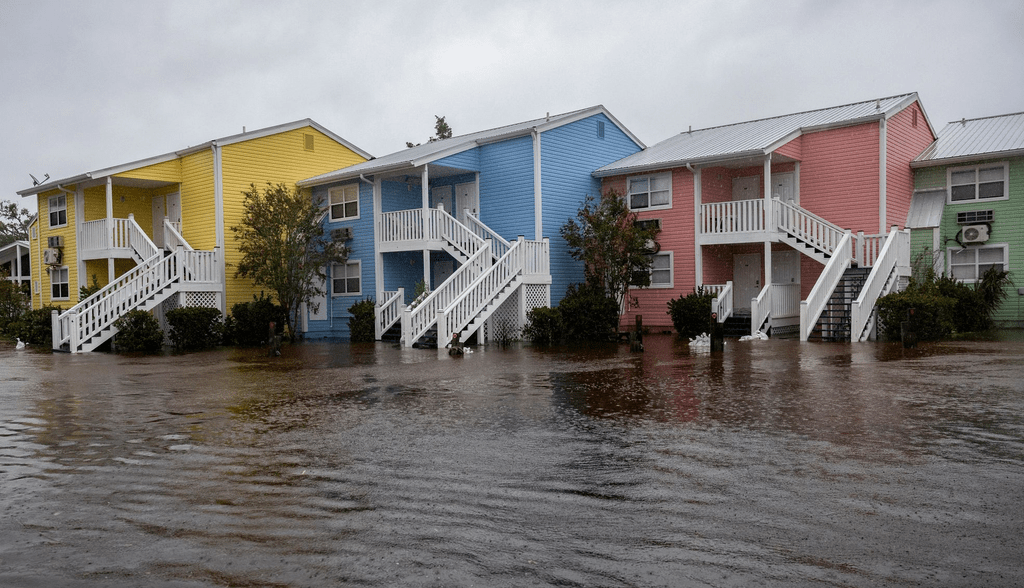
Heavy rain and storm damage can result in water entering buildings through damaged roofs, windows, doors, walls, and other openings. Standing water may also collect in basements, garages, crawl spaces, or low areas around a property. If moisture remains in place for too long, it can contribute to material deterioration, unpleasant odors, and mold-related concerns. Water damage involving electrical systems should be treated as a serious safety issue, and contaminated floodwater may require specialized restoration procedures. Property owners should address the source of water intrusion and avoid disturbing materials that may be unsafe. Professional storm cleanup can help remove accessible debris and assist in preparing affected spaces for appropriate water-damage restoration. Prompt action is important because limiting continued moisture exposure can make the overall recovery process easier.
Cleaning Interior Spaces
Storm damage can quickly move from the exterior of a property into its interior. Broken windows, damaged roofing, overflowing water, or compromised walls can allow dirt, leaves, mud, and other debris to enter rooms. Floors, carpets, furniture, walls, ceilings, and personal belongings may then require attention. Interior cleanup should be handled carefully because damaged areas may contain hidden structural or electrical hazards. Items should be assessed to determine whether they can be cleaned, repaired, or need to be discarded. Professional cleaners can help organize affected rooms, remove suitable debris, and prepare spaces for restoration work. A detailed storm cleanup process should consider both visible debris and the condition of materials affected by moisture or impact, helping property owners establish a clearer path toward restoring their interiors.
Clearing Driveways and Walkways
Blocked driveways, entrances, sidewalks, and walkways can create additional problems after a storm. Fallen branches, damaged fencing, roofing materials, leaves, mud, and other debris may prevent residents, employees, visitors, contractors, and emergency personnel from accessing important areas of the property. Clearing these routes can therefore be one of the first practical cleanup priorities once the area has been determined to be safe. Heavy debris should not be moved without suitable equipment, particularly if it may be connected to damaged structures or unstable trees. Professional storm cleanup crews can prioritize accessible pathways and remove appropriate debris so that the property becomes easier to access. Restoring clear routes can also make subsequent inspections, repairs, and restoration activities more efficient.
Sorting and Handling Storm Debris
Storm debris can include a wide range of materials, including branches, leaves, broken furniture, damaged building materials, glass, roofing components, outdoor equipment, and household items. These materials may require different handling and disposal methods, so simply placing everything into one pile may not always be appropriate. Certain materials can be recyclable, while others may require specialized disposal because of their composition or condition. Sharp objects and damaged construction materials can also create hazards for anyone handling them without protective equipment. During storm cleanup, debris can be organized according to type and condition so that appropriate disposal or recycling options can be considered. Property owners should also follow applicable waste-management requirements and avoid unsafe disposal practices that could create additional environmental or safety concerns.
Preventing Secondary Damage
One of the most important reasons to begin cleanup promptly is to reduce the risk of secondary damage. A broken window can allow additional rain into a building, while a damaged roof can continue leaking during subsequent weather events. Standing water can also continue affecting floors, walls, furniture, and other materials if it is not addressed appropriately. Loose branches or unstable structures may create additional hazards even after the original storm has ended. Once immediate safety concerns have been addressed, damaged areas should be protected where possible while permanent repairs are arranged. Professional storm cleanup can help remove loose debris and identify areas that require additional attention, allowing property owners to move more efficiently toward restoration. Preventing further exposure to weather can make a major difference in the overall condition of the property.
Restoring Outdoor Areas
Yards, gardens, patios, decks, parking areas, and other outdoor spaces can require extensive attention after severe weather. Leaves, branches, mud, damaged plants, broken outdoor furniture, fencing materials, and other debris may be scattered across the property. Landscaping can also suffer from broken limbs, uprooted trees, damaged plants, and soil displacement. While some vegetation may recover naturally, severely damaged trees or structures may require professional assessment. Outdoor areas should be cleared carefully so that hidden hazards are not overlooked beneath debris. Professional storm cleanup can help restore access to outdoor spaces by removing appropriate debris and organizing materials that need repair, disposal, or additional evaluation. Once the major hazards and debris have been addressed, landscaping and other outdoor restoration work can proceed more effectively.
Documenting Damage Before Major Cleanup
Documentation can be an important part of the recovery process, particularly when property damage may involve an insurance claim. Property owners should consider taking photographs and videos of damaged areas before major debris removal whenever it is safe to do so. Images can help create a record of the property’s condition and may be useful when communicating with insurance providers or repair professionals. Important details such as damaged roofing, broken windows, fallen trees, water intrusion, and affected belongings should be documented where practical. At the same time, documentation should never delay urgent safety measures or actions necessary to prevent additional damage. During storm cleanup, maintaining an organized record of the affected areas can help property owners communicate more effectively with contractors, restoration specialists, and insurance representatives.
Benefits of Professional Cleanup Assistance
Storm cleanup can quickly become overwhelming when a property has extensive debris or multiple types of damage. Property owners may not have the equipment, protective gear, transportation options, or experience needed to handle heavy or hazardous materials safely. Professional teams can bring an organized approach to debris removal and help property owners distinguish between ordinary cleanup tasks and situations that require specialized repair or restoration. This can save time and reduce the physical burden placed on homeowners, employees, or property managers. Professional storm cleanup is particularly valuable when the affected property contains large amounts of debris, difficult access points, or damage spread across multiple areas. Having trained professionals handle appropriate cleanup work allows property owners to focus on documentation, insurance communication, repairs, and other important recovery tasks.
Preparing for Future Severe Weather
Although severe weather cannot always be prevented, property owners can take steps to reduce potential risks before another storm occurs. Regular inspections of roofs, gutters, drainage systems, trees, fences, outdoor structures, and other vulnerable areas can help identify problems before they become more serious. Loose outdoor furniture, equipment, decorations, and other objects should be secured when severe weather is expected. Trees with weak or damaged branches may also benefit from professional evaluation and maintenance. Keeping emergency supplies and important documents in accessible locations can make post-storm response more organized. Property owners can also research appropriate cleanup and restoration providers before an emergency occurs, so they know who to contact if damage happens. Understanding the basic principles of storm cleanup in advance can help people respond more calmly and efficiently when severe weather eventually passes.
Creating an Organized Recovery Plan
Recovering from storm damage is easier when cleanup and restoration tasks are organized according to priority. Immediate safety hazards should be addressed first, followed by access routes, debris removal, water management, temporary protection, documentation, and permanent repairs. Trying to complete every task at once can create confusion and may increase the risk of overlooking important problems. A written list of damaged areas and required actions can help property owners track progress and communicate with service providers. It can also be useful to separate tasks that can be completed through ordinary cleaning from those requiring specialists such as electricians, roofers, tree professionals, or water-damage restoration experts. A structured storm cleanup plan provides a practical framework for moving from the immediate aftermath toward full property restoration. With proper organization, even a complicated cleanup process can become more manageable.
Conclusion
Severe storms can leave properties facing a combination of debris, structural damage, water intrusion, broken materials, and safety hazards. The recovery process requires patience, careful planning, and attention to safety rather than rushing to restore everything immediately. Property owners should assess damage carefully, document affected areas when possible, clear safe access routes, address moisture concerns, and seek specialized assistance whenever necessary. Professional cleaning and restoration teams can provide valuable support when the amount or type of damage exceeds what property owners can safely manage themselves. By beginning storm cleanup with a structured plan and prioritizing safety, property owners can reduce additional risks and create a clearer path toward restoration. Thorough cleanup is not simply about making a property look better; it is an important step in returning the space to a safe, functional, and comfortable condition after severe weather.