The Complete Guide to Building Better Oral Health Habits for a Lifetime of Healthy Smiles
A healthy smile is an important part of everyday life because strong teeth and healthy gums support comfortable eating, clear communication, fresh breath, and personal confidence. Good oral health does not happen through occasional effort alone; it develops through consistent habits practiced over many years. Brushing, cleaning between the teeth, making thoughtful food choices, protecting the mouth from injury, and attending professional examinations all contribute to maintaining a healthier smile. Many common dental concerns can become more difficult when they are ignored for long periods, which is why prevention and early attention are so valuable. By understanding the principles of effective oral care and making them part of a regular routine, people can improve their chances of maintaining comfortable and functional teeth throughout life.
Understanding the Foundations of Oral Health
Oral health involves much more than having clean-looking teeth. Healthy gums, strong enamel, a comfortable bite, and clean spaces between the teeth all contribute to a well-functioning mouth. Plaque can accumulate when daily cleaning is inconsistent, allowing bacteria to interact with food particles and produce substances that may damage teeth and irritate gums. A dentist can assess these areas and provide recommendations that are appropriate for an individual’s circumstances. Professional advice is especially useful because oral health needs can vary according to age, habits, diet, previous treatment, and other factors. Establishing a strong foundation through daily hygiene and preventive care can make it easier to avoid serious problems and maintain a healthy smile.
Creating a Consistent Brushing Routine
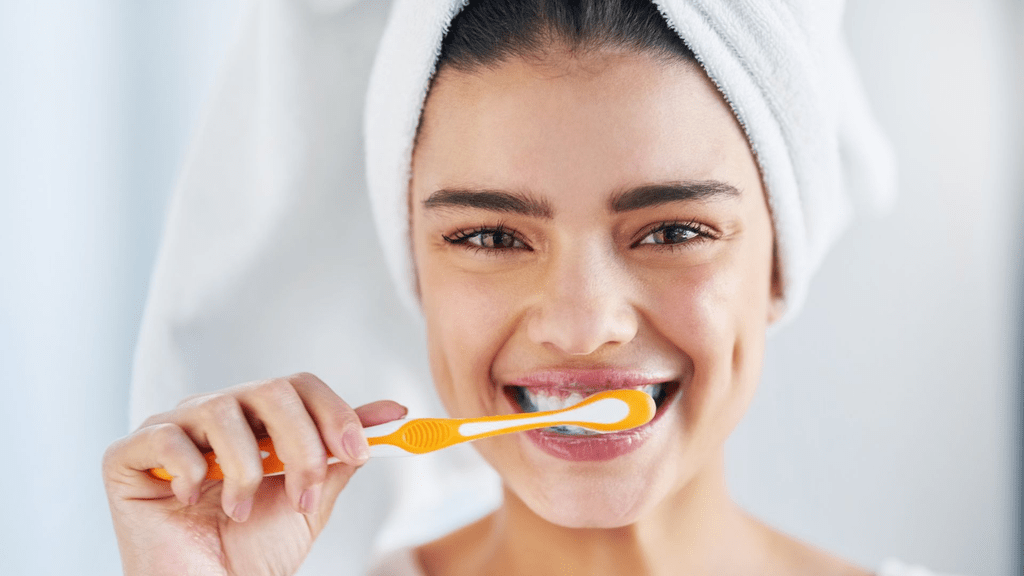
Brushing is one of the simplest and most effective ways to remove plaque from the surfaces of the teeth. A regular routine usually involves brushing twice each day with fluoride toothpaste and a suitable toothbrush. The brush should be moved gently across the teeth and along the gumline, making sure that the front, back, and chewing surfaces receive adequate attention. Applying excessive pressure is not necessary and may irritate the gums or contribute to unnecessary tooth wear. A dentist can demonstrate proper brushing techniques and recommend adjustments when certain areas are difficult to clean. Making brushing part of the same morning and evening routine each day can help transform oral care into an automatic habit that is easier to maintain.
Choosing Appropriate Dental Care Products
Selecting oral hygiene products should be based on individual needs rather than marketing claims alone. A soft-bristled toothbrush is often suitable for everyday cleaning, while fluoride toothpaste can help strengthen enamel and protect against decay. Some people may benefit from specialized products designed for sensitive teeth, orthodontic appliances, or particular gum concerns. Electric toothbrushes can also be useful for individuals who find them easier to use consistently. A dentist can help determine whether a specific product is appropriate and explain how it should be used. The most important factor is not necessarily the cost or complexity of a product but whether it supports an effective and sustainable daily hygiene routine.
Cleaning Between the Teeth
The spaces between teeth can collect plaque and food particles that a standard toothbrush cannot reach effectively. Cleaning these areas is therefore an important part of maintaining healthy gums and reducing the buildup that can contribute to dental problems. Traditional floss can be useful, while interdental brushes or other cleaning devices may be more suitable for certain individuals. The selected method should be used gently and consistently to avoid unnecessary irritation. A dentist can demonstrate appropriate techniques and help determine which option works best for different spaces between the teeth. Including interdental cleaning in the daily routine can provide more complete plaque removal and support better overall oral hygiene.
Understanding the Importance of Fluoride
Fluoride is widely used in preventive dental care because it helps strengthen tooth enamel and improve resistance to acid-related damage. Fluoride toothpaste provides regular exposure during brushing and is an important part of many oral hygiene routines. Depending on individual circumstances, some people may require additional fluoride treatments or products. The appropriate approach can depend on factors such as age, previous dental history, and risk of tooth decay. A dentist can recommend suitable fluoride options and explain how to use them properly. Maintaining appropriate fluoride exposure alongside good brushing habits can help protect enamel and reduce the likelihood of cavities developing over time.
Making Nutrition Part of Dental Care
Food and beverage choices can influence the health of teeth and gums in several ways. Frequent consumption of sugary products can encourage bacteria to produce acids that attack enamel, while acidic foods and beverages may contribute to enamel erosion when consumed regularly. A balanced diet containing a variety of nutrient-rich foods can support oral health as well as general wellness. Drinking water throughout the day can help rinse the mouth and maintain hydration. It is also helpful to pay attention to how often sugary or acidic foods are consumed rather than focusing only on the total amount. A dentist can provide practical dietary recommendations when eating patterns may be increasing the risk of dental problems.
Reducing Frequent Sugar Exposure
Sugar does not need to be completely eliminated from every diet, but reducing frequent exposure can be beneficial for dental health. Continuously sipping sweetened drinks or repeatedly eating sugary snacks gives oral bacteria more opportunities to produce acids that can weaken enamel. Choosing water between meals and limiting sweet foods to occasional portions can help reduce these repeated exposures. People can also look for less sugary alternatives when selecting snacks or beverages. A dentist may recommend specific strategies for individuals who frequently experience cavities or have difficulty reducing sugar intake. Small changes in timing and frequency can make everyday eating habits more supportive of long-term oral health.
Protecting Teeth From Injury
Teeth can become damaged through sports, accidents, falls, and everyday habits that place unnecessary pressure on them. Chewing ice, hard objects, pens, or other non-food items can increase the possibility of chips or fractures. People participating in contact sports or activities involving potential facial impact may benefit from an appropriately fitted mouthguard. Protective habits can help reduce the risk of preventable dental injuries. If a tooth becomes cracked, chipped, loosened, or displaced, prompt professional evaluation is important. A dentist can assess the extent of the injury and determine whether treatment is needed to restore function or protect the affected tooth from additional damage.
Supporting Healthy Gums
Gum health is an essential part of maintaining a strong and stable mouth. Plaque that remains around the gumline can contribute to inflammation, resulting in symptoms such as redness, swelling, tenderness, or bleeding. Good brushing and interdental cleaning can help control plaque, but persistent symptoms should receive professional attention. A dentist can evaluate the gums and determine whether additional cleaning or treatment is appropriate. Ignoring ongoing gum problems may allow inflammation to become more serious and potentially affect the structures that support the teeth. Paying attention to gum health and addressing changes early can help protect both the gums and the natural teeth they support.
Recognizing Early Signs of Problems
Many oral health problems provide warning signs that should not be ignored. Persistent pain, sensitivity, swelling, bleeding, bad breath, unusual discoloration, loose teeth, or discomfort while chewing can indicate that professional evaluation may be necessary. Some conditions can also progress with few obvious symptoms, making routine examinations valuable even when a person feels healthy. A dentist can investigate changes and determine whether they are associated with decay, gum disease, damage, infection, or another concern. Early assessment can sometimes allow treatment to be simpler and help prevent further deterioration. Developing the habit of paying attention to oral changes is therefore an important part of responsible dental care.
Maintaining Regular Professional Visits
Professional examinations provide an opportunity to monitor oral health over time and identify concerns that may not be obvious during daily activities. The appropriate frequency of visits can vary depending on individual needs and risk factors. During an examination, a dentist can assess the teeth, gums, bite, and other areas of the mouth while discussing any symptoms or concerns. These appointments also provide an opportunity to review brushing and cleaning techniques and receive personalized preventive recommendations. Regular professional care should not be viewed as something necessary only when pain develops. Ongoing monitoring can support early detection and make it easier to maintain a healthy mouth over the long term.
Understanding Professional Cleaning
Professional cleaning can remove hardened deposits that ordinary brushing and flossing cannot always eliminate. Plaque can harden into calculus when it remains on the teeth, particularly around the gumline and in difficult-to-reach areas. Professional cleaning can reduce this buildup and help create a cleaner environment for the teeth and gums. It may also improve the appearance of certain surface stains. A dentist or dental hygienist can provide guidance on home-care techniques after cleaning to help reduce future buildup. Combining professional cleaning with consistent daily brushing and interdental care creates a more complete strategy for maintaining oral hygiene.
Managing Sensitivity and Discomfort
Tooth sensitivity can occur when teeth react strongly to hot, cold, sweet, or acidic foods and drinks. While occasional sensitivity may have several possible causes, persistent or worsening discomfort should be evaluated rather than ignored. Sensitivity may sometimes be associated with enamel wear, gum recession, decay, damaged restorations, or other conditions. A dentist can examine the affected teeth and determine what may be contributing to the problem. Depending on the cause, professional recommendations may include changes to brushing technique, specific oral care products, or appropriate treatment. Understanding the underlying reason for sensitivity is important because simply avoiding certain foods may not address the actual cause.
Caring for Children’s Teeth
Children benefit from learning healthy oral hygiene habits early because these routines can influence their dental health for many years. Parents and caregivers can help young children brush properly and supervise them until they develop the coordination needed to clean effectively on their own. Limiting frequent sugary snacks and drinks can also help reduce the risk of early tooth decay. A dentist can monitor the development of children’s teeth and provide guidance that is appropriate for their age. Positive professional experiences can help children become comfortable with dental care rather than developing fear or avoidance. Establishing good habits during childhood creates a strong foundation for future oral health.
Maintaining Oral Health as You Age
Oral health needs can change throughout adulthood and later life. Aging may be accompanied by changes in saliva production, gum position, tooth wear, medication use, diet, or existing dental restorations. These factors can influence the risk of decay, sensitivity, and gum problems. Continuing regular brushing, interdental cleaning, and professional examinations remains important as circumstances change. A dentist can help adapt an oral care routine to new needs and explain how to care for restorations, dentures, implants, or other treatments. Maintaining good oral health later in life can support comfortable eating, clear communication, and continued confidence in everyday social situations.
Taking Care of Dental Restorations
Dental restorations can restore damaged or missing teeth, but they still require appropriate care and monitoring. Fillings, crowns, bridges, implants, and other treatments do not prevent plaque from accumulating around surrounding teeth and gums. Proper brushing and cleaning between the teeth remain important for protecting both natural teeth and dental work. A dentist can explain specific cleaning techniques and identify signs of wear or damage during routine examinations. Maintaining restorations properly may help extend their useful life and protect the structures around them. People with dental work should therefore continue to treat oral hygiene as a daily priority rather than assuming previous treatment eliminates the need for preventive care.
Considering Cosmetic Dental Treatments
A healthy smile can have a positive effect on confidence, which is why some people consider cosmetic dental treatments. Professional whitening, bonding, veneers, reshaping, and other procedures may improve the appearance of teeth in appropriate circumstances. Before choosing cosmetic treatment, it is important to address active dental problems such as untreated decay or gum inflammation. A dentist can evaluate overall oral health and explain which cosmetic options may be suitable. Patients should also understand the expected results, maintenance requirements, limitations, and potential costs associated with different procedures. Making decisions based on both appearance and long-term oral health can help ensure that cosmetic improvements complement a healthy foundation.
Building Habits That Last
The most effective oral care routine is one that can be followed consistently over many years. Simple habits such as brushing at regular times, cleaning between the teeth, drinking water, limiting frequent sugary snacks, and attending professional appointments can become automatic when incorporated into a daily schedule. A dentist can help identify practical changes that fit an individual’s lifestyle and oral health needs. Keeping toothbrushes, toothpaste, and interdental cleaning tools easily accessible can make routines more convenient. Rather than trying to make many dramatic changes at once, people can focus on small improvements that are realistic and sustainable. Consistency is ultimately one of the most important factors in maintaining long-term dental health.
Final Thoughts
Developing better oral health habits is a long-term investment in comfort, confidence, and overall well-being. Effective brushing, cleaning between the teeth, appropriate fluoride use, balanced nutrition, protection from injuries, healthy gum care, and regular professional monitoring all contribute to a stronger smile. Paying attention to warning signs and seeking timely guidance can also help prevent minor concerns from becoming more complicated problems. A dentist can provide personalized recommendations based on individual needs and help patients maintain effective preventive routines throughout different stages of life. By making oral care a consistent part of everyday living, people can protect their natural teeth, support healthy gums, and enjoy a comfortable and confident smile for many years.