The Complete Guide to Choosing a Professional Roofer for Reliable Roof Care and Repairs
A roof is one of the most important parts of any property because it protects the structure, belongings, and people inside from changing weather conditions and everyday environmental exposure. Despite its importance, roofing problems are often ignored until they become noticeable through leaks, damaged materials, stains, or visible deterioration. Regular inspections and timely maintenance can help prevent minor concerns from becoming expensive repairs. Choosing the right professional for roofing work is therefore an important decision that should not be rushed. A qualified roofer can inspect the condition of a roof, identify potential problems, recommend suitable solutions, and complete necessary work using appropriate materials and techniques. Whether a property needs a minor repair, routine maintenance, replacement materials, or a complete roofing project, working with an experienced professional can provide greater confidence that the job will be completed properly. Understanding what to look for and what questions to ask can help property owners make a more informed decision.
Understanding the Role of a Roofing Professional
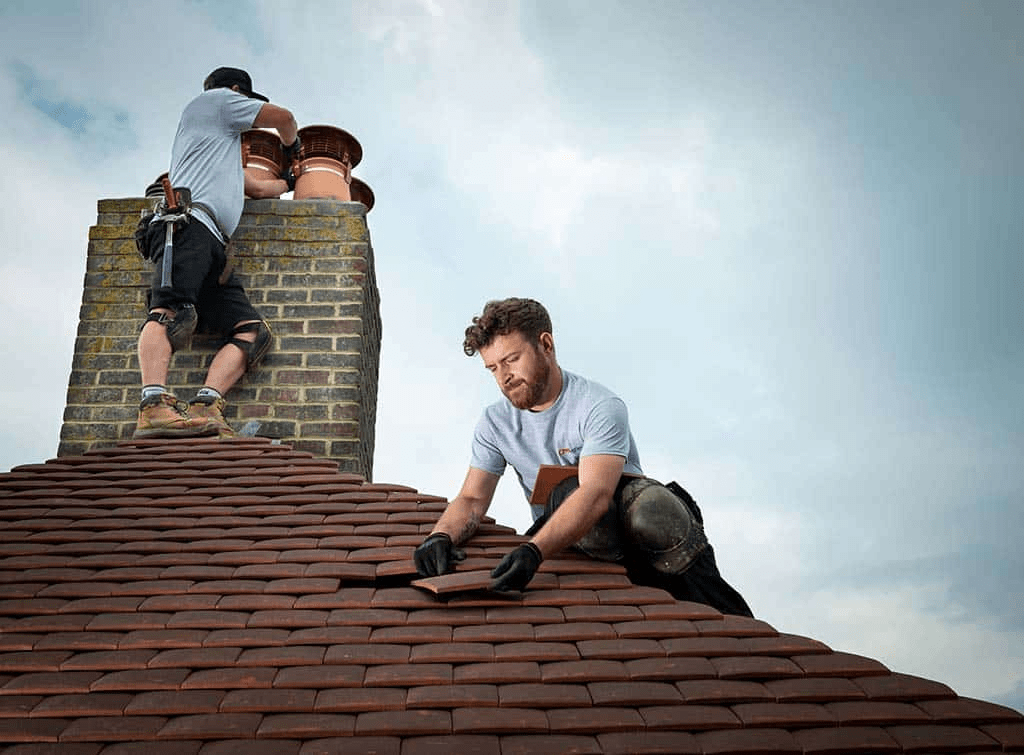
A roofing professional does much more than repair visible leaks or replace damaged shingles. Roofing work can involve inspections, maintenance, repairs, replacements, ventilation improvements, flashing installation, drainage considerations, and other tasks designed to keep the entire roofing system functioning properly. A skilled roofer understands that different roofing materials require different approaches and that every property can have unique structural and environmental considerations. During an inspection, the professional may examine shingles, tiles, flashing, vents, gutters, seals, roof edges, and other components for signs of damage or deterioration. Identifying the source of a problem is particularly important because a visible leak may not always originate directly above the location where water appears inside the building. Professional knowledge can help determine the underlying cause rather than simply treating the most obvious symptom. This comprehensive approach can contribute to more reliable repairs and better long-term roof performance.
Signs That Your Roof Needs Attention
Many roofing problems begin as small issues that are difficult to notice from ground level, which is why regular visual inspections are valuable. Missing, cracked, curled, or damaged roofing materials can indicate that the roof is becoming vulnerable to moisture and weather exposure. Dark stains, moss, algae, or unusual discoloration may also suggest that the surface needs maintenance or further inspection. Inside the property, water stains on ceilings and walls can be warning signs of a roofing problem, although they may have other causes as well. A sudden increase in moisture, drafts, damaged insulation, or visible daylight through parts of the roof can also justify professional assessment. A roofer can investigate these warning signs and determine whether the problem requires a simple repair or more extensive attention. Addressing concerns early can often reduce the scope of the work and help prevent additional damage to the underlying structure.
Why Professional Roof Inspections Matter
A professional inspection provides an opportunity to evaluate the condition of the roof before a serious problem develops. While property owners can observe obvious damage from the ground, many important issues may only be visible from closer inspection. Roofing professionals can examine areas around vents, chimneys, flashing, seams, valleys, roof edges, and other locations where water may enter or materials may deteriorate. They can also assess whether previous repairs were completed correctly and whether certain components are approaching the end of their useful service life. A qualified roofer may identify early signs of moisture intrusion, material deterioration, poor drainage, or ventilation concerns that could otherwise remain unnoticed. Regular inspections are especially useful after severe weather or when a roof has reached an advanced stage of age. Maintaining inspection records can also help property owners understand how the roof changes over time and plan future maintenance more effectively.
Choosing the Right Roofing Materials
The choice of roofing material can have a major influence on durability, appearance, maintenance requirements, and overall project cost. Common options include asphalt shingles, metal, tile, slate, and other specialized materials, each with its own advantages and limitations. Factors such as roof design, structural requirements, weather exposure, maintenance expectations, and budget should be considered before selecting a material. A knowledgeable roofer can explain the differences between available options and help property owners understand what may work best for their particular structure. The cheapest material is not always the most economical choice over the long term because installation requirements, maintenance, durability, and replacement frequency can all affect total ownership costs. It is also important to consider whether replacement materials will match the existing roof if only a section requires repair. Making a thoughtful material choice can improve both the performance and appearance of the finished roofing system.
The Importance of Proper Installation
Even high-quality roofing materials can perform poorly if they are installed incorrectly. Proper installation requires attention to details such as alignment, fastening, flashing, underlayment, ventilation, drainage, and manufacturer requirements. Mistakes during installation can create weak points where moisture may enter or materials may fail prematurely. A roofer with appropriate experience should understand the installation requirements associated with the selected roofing material and follow established industry practices. Careful installation also involves preparing the underlying surface properly before new materials are placed. Simply covering an existing problem without addressing its cause can result in recurring damage. Property owners should therefore consider installation quality just as important as the materials themselves. A well-planned and carefully executed roofing project can provide dependable protection and reduce the likelihood of premature repairs.
Roof Repairs Versus Full Replacement
One of the most important decisions in roofing maintenance is determining whether a damaged area can be repaired or whether the entire roof has reached the point where replacement makes more sense. Minor damage, isolated leaks, or a limited number of damaged materials may be repairable when the rest of the roof remains in good condition. However, widespread deterioration, repeated leaks, extensive water damage, or an aging roofing system may indicate that replacement should be considered. A professional roofer can evaluate the condition of the roof and explain the advantages and limitations of each option. Repairing a roof that is otherwise near the end of its useful life may provide only a temporary solution, while replacing a roof unnecessarily can result in avoidable expense. The decision should therefore be based on the overall condition of the roofing system rather than a single visible problem. A detailed assessment can help property owners choose an approach that makes financial and practical sense.
Understanding Roofing Costs
Roofing costs can vary considerably depending on the size of the project, materials selected, complexity of the roof, extent of damage, accessibility, labor requirements, and additional repairs that may be discovered during the work. Property owners should be cautious about choosing a contractor solely because they offer the lowest initial price. An unusually low estimate may not include important services, quality materials, disposal costs, or necessary preparation. A professional roofer should be able to explain what is included in the proposed work and identify any factors that could affect the final cost. Written estimates are useful because they provide a clearer understanding of the scope of work, materials, labor, and expected project requirements. Comparing several detailed estimates can help property owners understand the market and identify significant differences between proposals. The goal should be to find a fair balance between quality, experience, materials, workmanship, and overall value.
Questions to Ask Before Hiring
Asking the right questions before starting a roofing project can help property owners avoid misunderstandings and make a more confident decision. It is reasonable to ask about experience with the specific roofing material, the proposed repair or replacement process, expected project duration, cleanup procedures, and warranties. A roofer should also be able to explain how unexpected damage will be handled if additional problems are discovered after work begins. Property owners can ask for a detailed written estimate and clarification regarding materials, labor, disposal, and other project costs. Communication is another important consideration because roofing work can involve changes in schedules and unexpected findings. A professional who communicates clearly and answers questions thoroughly can make the entire process easier to manage. Taking time to evaluate these factors before signing an agreement can help establish realistic expectations and reduce the possibility of disputes later.
Protecting Your Property During Roofing Work
Roofing projects can involve falling debris, tools, materials, dust, and equipment, so protecting the surrounding property should be part of the work plan. Landscaping, outdoor furniture, vehicles, windows, doors, and other nearby features may require protection depending on the type and size of the project. Professional crews should take reasonable steps to control debris and maintain an organized work area throughout the job. A roofer should also have a clear cleanup process for removing discarded materials, nails, packaging, and other waste after the work is completed. Property owners should discuss these expectations before the project begins so that everyone understands how the site will be managed. Good organization can reduce the risk of accidental property damage and make the finished project more satisfactory. Cleanup is not merely an aesthetic concern; removing debris and checking the work area carefully can also improve overall site safety.
Roofing Ventilation and Moisture Control
Ventilation is an important but sometimes overlooked part of a healthy roofing system. Proper airflow can help regulate temperature and moisture levels within roof spaces, reducing conditions that may contribute to condensation and material deterioration. Poor ventilation can create excessive heat or trapped moisture, potentially affecting insulation, roofing materials, and the underlying structure. A professional inspection can help determine whether existing ventilation is functioning effectively or whether improvements may be appropriate. A roofer can evaluate vents, intake areas, attic conditions, and other components that contribute to airflow. Addressing ventilation problems during a roofing project can be more practical than ignoring them and dealing with related issues later. A well-maintained roof should be considered as part of a complete building system rather than an isolated surface. Proper ventilation, insulation, drainage, and roofing materials can work together to support long-term performance.
Maintaining a Roof After Repairs
Completing a repair or replacement does not mean that roofing maintenance should stop. Regular inspections can help identify new concerns before they become serious, while keeping gutters and drainage areas clear can reduce unnecessary moisture exposure. Leaves, branches, dirt, and other debris should be removed when they accumulate in areas where they could interfere with drainage or retain moisture. Property owners should also pay attention to changes in the appearance of the roof, especially after severe weather or extended periods of heavy rainfall. A roofer can provide recommendations regarding inspection frequency and maintenance based on the roofing material and condition of the system. Keeping up with routine maintenance can extend the useful life of roofing materials and make future repairs easier to manage. A small investment in preventive care can sometimes help avoid much larger repair costs later.
The Value of Experience and Workmanship
Experience matters because roofing work often involves details that are not immediately obvious to someone without specialized knowledge. An experienced professional can recognize common failure points, understand how materials interact, and identify warning signs that might otherwise be overlooked. Workmanship also influences how well a roof performs over time because even excellent materials can fail when installation is careless or incomplete. A roofer who takes time to prepare the surface, follow appropriate procedures, inspect completed work, and maintain a clean site is more likely to deliver a reliable result. Property owners should consider experience, communication, workmanship, and reputation alongside price when evaluating potential professionals. The objective should be to find someone who approaches the project as a long-term investment rather than simply completing the fastest possible repair. Quality work can provide greater peace of mind and reduce the likelihood of recurring problems.
Final Thoughts
A properly maintained roof provides essential protection and can contribute significantly to the comfort, safety, and value of a property. Because roofing systems are exposed to weather and environmental conditions throughout the year, regular inspections and timely maintenance are important for identifying problems before they become more complicated. Choosing a qualified roofer can make a significant difference when repairs, maintenance, or replacement work is required. Property owners should evaluate experience, materials, workmanship, communication, project details, and overall value rather than focusing only on the lowest price. Understanding the difference between repair and replacement, asking detailed questions, and establishing a long-term maintenance routine can make roofing decisions much easier. With proper care and professional attention when necessary, a well-maintained roof can continue to provide dependable protection and performance for many years.