The Benefits of Professional Office Cleaning for Maintaining Workplace Hygiene, Protecting Property, and Improving Employee Productivity
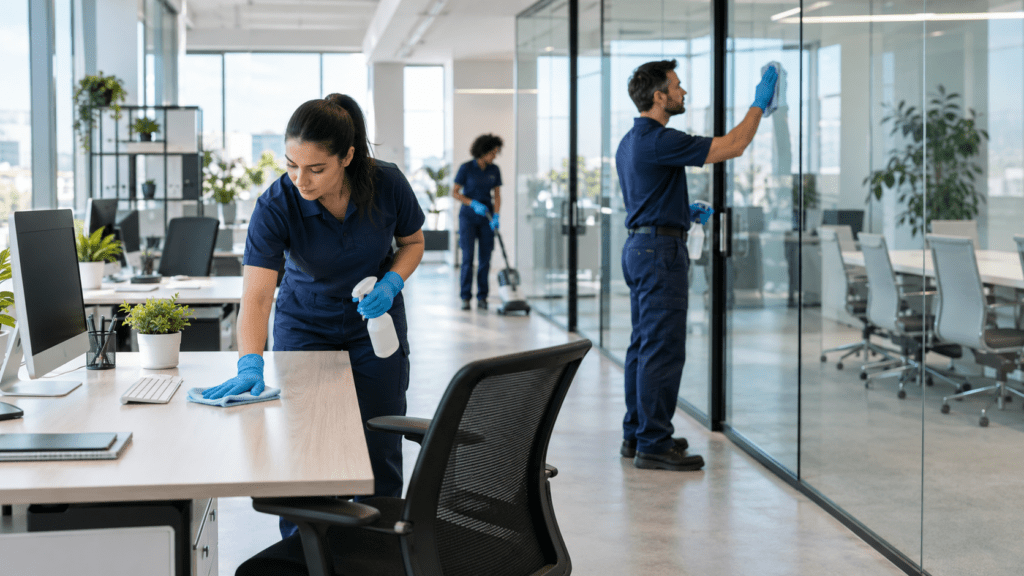
A clean and well-maintained workplace is an important part of creating a healthy, comfortable, and productive business environment. Employees spend many hours inside offices, while clients, customers, partners, and visitors may regularly enter the premises. Without consistent maintenance, dust, dirt, stains, clutter, waste, and unpleasant odors can gradually affect the appearance and comfort of the workplace. Professional office cleaning provides a structured way to maintain workspaces, meeting rooms, reception areas, kitchens, restrooms, floors, and shared facilities. Beyond improving appearance, regular cleaning can support workplace hygiene, protect valuable property, improve employee comfort, and create a more professional atmosphere.
Supporting Workplace Hygiene
Workplaces contain many frequently touched surfaces that can become dirty throughout the day. Door handles, desks, keyboards, switches, shared equipment, kitchen counters, restroom fixtures, and other surfaces may require regular attention because they are used repeatedly by employees and visitors. Consistent cleaning helps remove accumulated dust, dirt, food particles, and other unwanted materials from these areas. Shared spaces often need particular attention because many people use them throughout the working day. A structured cleaning routine can help ensure that important areas are not overlooked and that the workplace remains comfortable and properly maintained.
Creating a Healthier Work Environment
A clean workplace can contribute to a more pleasant indoor environment for employees and visitors. Dust can accumulate on floors, furniture, shelves, windowsills, and other surfaces when routine maintenance is neglected. Regular vacuuming, dusting, mopping, and surface cleaning can help reduce this buildup. Restrooms and kitchens also require frequent attention because they are shared facilities that can quickly become untidy. Professional cleaning does not replace other workplace health practices, but it can support a broader approach to maintaining suitable conditions. Keeping the office consistently clean also demonstrates that management takes the condition of the workplace seriously.
Improving Employee Comfort
Employees generally perform better when they have a comfortable and organized environment in which to work. Dirty floors, overflowing bins, unpleasant odors, dusty surfaces, and clutter can create unnecessary distractions throughout the day. Maintaining clean workspaces can help create a more welcoming atmosphere and make employees feel more comfortable while completing their responsibilities. A well-kept workplace can also demonstrate consideration for staff members and their daily experience. Although many factors influence employee satisfaction, maintaining a clean environment is a practical step that businesses can take to support a positive workplace culture.
Protecting Office Property
Office furniture, flooring, fixtures, windows, equipment, and other assets represent significant investments for many businesses. Dirt, dust, spills, and stains can gradually affect these materials when they are not addressed promptly. Regular cleaning can help maintain the appearance and condition of office property while allowing potential problems to be noticed earlier. Different materials require different maintenance methods, so cleaning procedures should be selected carefully. Carpet, hardwood, tile, glass, metal, upholstery, and other surfaces should not necessarily be treated in the same way. Appropriate maintenance can help businesses preserve their property and potentially reduce unnecessary repair or replacement costs.
Maintaining Office Floors
Floors receive considerable traffic throughout the working day and can quickly collect dirt, dust, moisture, and debris. Entrance areas and corridors may require particular attention because employees and visitors frequently pass through them. Carpeted floors may need regular vacuuming and periodic deep cleaning, while hard flooring may require sweeping, mopping, polishing, or other specialized care. Promptly addressing spills can also help prevent stains and potential damage. A consistent floor maintenance routine can improve the appearance of the office while helping preserve the condition of the flooring. Since floors are among the first things people notice when entering a workplace, keeping them clean can also contribute to a professional overall appearance.
Keeping Restrooms Properly Maintained
Restrooms are among the most important shared areas in an office and require regular cleaning throughout the week. Toilets, sinks, mirrors, floors, doors, fixtures, dispensers, and frequently touched surfaces should receive appropriate attention. Essential supplies should also be checked regularly so employees and visitors can use the facilities comfortably. Poorly maintained restrooms can quickly create unpleasant odors and negative impressions. Clean and well-stocked restrooms, on the other hand, can demonstrate attention to hygiene and employee comfort. The frequency of cleaning should depend on the number of people using the facility and the level of daily activity.
Maintaining Kitchens and Break Rooms
Office kitchens and break rooms can become dirty quickly because employees use them for eating, drinking, food preparation, and social interaction. Food particles, spills, fingerprints, and waste can accumulate on counters, tables, sinks, appliances, and floors. Regular cleaning helps maintain these areas and prevents minor messes from becoming more difficult to manage. Refrigerators and shared appliances may also require periodic attention to keep them organized and presentable. Employees should be encouraged to clean up after themselves, while professional cleaners can handle routine maintenance. Combining employee responsibility with professional support can create a cleaner and more comfortable shared environment.
Creating a Positive First Impression
The condition of an office can influence how visitors perceive a business. Reception areas, entrances, waiting spaces, conference rooms, and restrooms are particularly important because clients and visitors may interact with these areas during their visits. Clean floors, organized furniture, clear windows, dust-free surfaces, and fresh surroundings can contribute to a professional impression. A business that pays attention to its physical environment may appear more organized and detail-oriented. While cleanliness cannot replace good customer service or quality products, it can complement these areas and contribute to a more positive overall experience for clients, customers, and business partners.
Reducing Workplace Clutter
Cleaning and organization are closely connected. Papers, packaging, unused supplies, equipment, and personal belongings can gradually accumulate in workspaces and shared areas. Clutter can make cleaning more difficult and may also create distractions for employees. Establishing clear storage systems and encouraging employees to keep their work areas organized can make routine maintenance easier. Professional cleaners can then clean surfaces and floors more effectively without having to work around unnecessary items. A cleaner and more organized office can make it easier for employees to locate materials, use shared resources, and move through the workplace efficiently.
Improving Employee Productivity
Productivity depends on numerous factors, including management, technology, employee skills, communication, workload, and workplace conditions. Cleanliness can support productivity by creating an environment with fewer avoidable distractions. Employees may spend less time dealing with clutter, cleaning problems, or searching through disorganized areas for materials. A comfortable workplace can also make daily tasks more pleasant. Professional cleaning allows employees to concentrate on their primary responsibilities instead of being regularly asked to handle extensive cleaning duties. While professional cleaning alone cannot guarantee higher productivity, it can contribute to an environment that supports efficient work.
Saving Valuable Employee Time
Employees are usually hired to perform specific roles that contribute to the operation and growth of a business. Asking them to regularly clean offices, restrooms, kitchens, floors, and shared spaces can take time away from their primary responsibilities. Professional cleaning support allows employees to focus on the work they were hired to perform. It also provides businesses with a predictable maintenance schedule instead of relying on employees to address cleaning issues whenever they notice them. This division of responsibilities can make workplace management more efficient. Over time, the saved employee time can be directed toward customer service, administrative work, sales, creative tasks, or other important business activities.
Maintaining Meeting and Conference Rooms
Meeting rooms should remain clean and organized because they are often used for important discussions, presentations, interviews, and client meetings. Tables, chairs, floors, windows, screens, and other surfaces should be maintained regularly. Used cups, paper materials, food packaging, and other waste should be removed after meetings so the room is ready for its next use. A clean meeting room can help employees conduct discussions without unnecessary distractions. It can also create a better impression when customers, clients, or business partners attend meetings. Establishing a simple cleaning and resetting routine can ensure that these spaces remain prepared throughout the working day.
Paying Attention to High-Traffic Areas
Some office areas become dirty faster because they are used by a large number of people. Entrances, hallways, elevators, stairways, reception areas, kitchens, and shared rooms may require more frequent attention than private offices. Dirt and moisture can be carried into the building through entrances, while fingerprints and marks may quickly appear on doors and glass surfaces. A cleaning plan should recognize these differences and allocate additional attention where necessary. Maintaining high-traffic areas can have a significant effect on the overall appearance of a workplace. Employees and visitors are more likely to notice heavily used spaces, making their cleanliness particularly important.
Using Suitable Cleaning Products
Different surfaces require different cleaning products and methods. Using an unsuitable product can leave residue or potentially damage certain materials. Professional cleaning teams should understand product instructions, appropriate quantities, surface compatibility, and safe handling procedures. Excessive use of cleaning products does not necessarily produce better results and may create unnecessary waste. Businesses may also consider environmentally responsible cleaning products when they are suitable for the facility. Selecting appropriate products can help achieve effective results while protecting furniture, floors, fixtures, and other workplace assets. Proper supply management can also help businesses control ongoing maintenance costs.
Maintaining Consistent Cleaning Standards
Consistency is one of the most important elements of effective workplace maintenance. A thorough cleaning performed once will not be enough if the office is then neglected for long periods. Businesses should establish clear standards for different areas and determine how frequently each task should be completed. Cleaning schedules, checklists, inspections, and regular communication can help maintain those standards. If certain areas repeatedly require additional attention, the existing schedule may need to be adjusted. Regular reviews allow businesses to respond to changes in employee numbers, operating hours, customer traffic, and facility usage. Consistent standards make workplace cleanliness more predictable and easier to manage.
Choosing Professional Cleaning Support
Businesses should carefully evaluate cleaning providers before entering into a professional service arrangement. Important factors can include experience, reliability, staff training, equipment, cleaning procedures, scheduling flexibility, communication, and service coverage. It is also important to establish which tasks are included and how frequently they will be completed. Businesses should understand pricing and whether specialized or additional services carry separate costs. Choosing a provider solely because it offers the lowest price may not always provide the best long-term value. Reliability and consistent quality can be more important when the goal is to maintain a workplace over an extended period.
Creating a Flexible Cleaning Schedule
Different offices have different cleaning needs based on their size, occupancy, operating hours, and level of activity. A small office with limited staff may require a different schedule from a large workplace with hundreds of employees and frequent visitors. Some areas may need daily attention, while other tasks can be performed weekly or periodically. Businesses should also consider special events, meetings, seasonal changes, and temporary increases in occupancy. A flexible schedule can help ensure that the office remains clean without disrupting normal operations. Reviewing the schedule periodically allows management to make adjustments when workplace requirements change.
Encouraging Employees to Maintain Cleanliness
Professional cleaners can handle routine maintenance, but employees also have an important role in keeping the workplace organized. Simple habits such as disposing of waste correctly, cleaning up after meals, organizing desks, and reporting spills can make a noticeable difference. Businesses can encourage these habits by providing accessible waste bins, storage spaces, and clear workplace guidelines. When employees understand their responsibilities, professional cleaning teams can focus more effectively on their scheduled tasks. Creating a shared culture of cleanliness can help maintain standards between professional cleaning visits and make the workplace easier to manage.
Building a Long-Term Maintenance Strategy
Cleaning should be considered part of the broader management of a business facility. A long-term strategy can include routine cleaning, floor maintenance, window care, restroom cleaning, waste management, periodic deep cleaning, and other specialized requirements. The plan should be reviewed whenever the business grows, changes its operating schedule, adds employees, or modifies its premises. Regular communication with cleaning providers can identify areas that require more frequent attention. Planning ahead also helps businesses anticipate maintenance expenses rather than dealing with unexpected cleaning problems. A long-term approach can protect property, maintain appearance, and support a consistently comfortable workplace.
Final Thoughts
Professional cleaning provides more than a visually attractive workplace. It can support hygiene, employee comfort, property protection, organization, customer impressions, and efficient daily operations. Regular attention to workstations, floors, restrooms, kitchens, meeting rooms, reception areas, and high-traffic spaces can help maintain a workplace that is comfortable and professional. By establishing clear standards, using suitable cleaning methods, encouraging employee cooperation, and choosing reliable professional support, businesses can create a more consistent maintenance routine. A commitment to cleanliness can ultimately help organizations protect their investment, support their employees, and provide visitors with a positive experience every time they enter the workplace. Office cleaning should therefore be viewed as a practical part of long-term workplace management rather than simply an occasional maintenance task.