Restoring Indoor Comfort Through Professional Smoke Odor Removal
Smoke odors can remain inside a property long after the original source of the smoke has been removed. A fire, kitchen incident, electrical malfunction, appliance problem, or other smoke-producing event can leave behind odors that travel throughout the building and settle into a wide range of materials. Walls, ceilings, flooring, furniture, upholstery, clothing, insulation, and HVAC components may all absorb smoke particles and odors. Because these particles can move beyond the area where the incident occurred, simply cleaning the visible damage may not be enough to restore the indoor environment. Professional smoke odor removal focuses on identifying the source of the odor, evaluating the affected materials, cleaning smoke residues, treating impacted areas, and addressing hidden locations where odor-causing particles may remain.A strong smoke smell can make a home or business uncomfortable and may create the impression that the property has not been fully restored. In some situations, opening windows or using household air fresheners may temporarily reduce the noticeable odor, but these methods generally do not remove the particles that have settled into porous materials and concealed spaces. Effective restoration requires a more complete approach that addresses the actual source of the odor. By combining inspection, cleaning, surface treatment, odor control, and restoration procedures, professionals can help property owners move toward a cleaner and more comfortable indoor environment.
Understanding Why Smoke Odors Persist
Smoke is made up of tiny particles and gases that can travel quickly through a structure. During a fire or other smoke-producing event, these particles may move through open rooms, hallways, ventilation systems, and gaps around building components. As the smoke cools, residues can settle on surfaces throughout the property. Porous materials may absorb these residues, allowing odors to remain even after visible signs of smoke have disappeared.Different materials can hold smoke odors in different ways. Upholstered furniture, carpeting, clothing, curtains, insulation, unfinished wood, and other absorbent materials may retain odor-causing particles more easily than smooth, nonporous surfaces. Smoke may also enter wall cavities, ceiling spaces, and HVAC systems, making the source of the odor difficult to locate. This is why an area can continue to smell like smoke even after basic cleaning has been completed.
Common Sources of Smoke Odors
Smoke odors can develop after many different types of incidents. Structural fires are one of the most obvious causes, but even a relatively small fire can affect more than the immediate area. Cooking accidents can also create strong odors when food or cooking materials burn. Electrical issues, appliance malfunctions, and overheating equipment may produce smoke that travels through the property. In commercial settings, smoke may affect offices, retail spaces, storage areas, restaurants, and other facilities depending on the source of the incident.The type of material that burned can influence the character and persistence of the odor. Smoke produced by wood, food, synthetic materials, fabrics, or other substances may leave behind different residues. For this reason, a professional assessment can be helpful when determining the most appropriate cleaning and odor-control approach.
Why Ordinary Air Fresheners Are Not Enough
Air fresheners can temporarily add a different scent to a room, but they do not necessarily remove the particles responsible for a persistent smoke odor. The odor may return after the fragrance fades because smoke residues remain on surfaces or inside porous materials. Opening windows can improve ventilation, but ventilation alone may not address contamination that has already settled throughout the property.A complete approach to odor restoration begins with locating the affected materials and removing or treating the source of the problem. Surfaces may need specialized cleaning, while heavily affected materials may require additional restoration or replacement. When the source is properly addressed, odor-control procedures can be more effective than simply attempting to cover the smell.
Professional Inspection of the Affected Property
Professional smoke odor removal often begins with a detailed inspection of the property. Restoration technicians evaluate the area where the smoke originated and consider how far smoke may have traveled. Because smoke can move through a building quickly, affected areas may include rooms that were not directly involved in the original incident.The inspection may include walls, ceilings, flooring, furniture, cabinetry, insulation, HVAC components, and other materials that could have absorbed smoke residues. Professionals also consider the type of materials involved because porous and nonporous surfaces may require different cleaning methods. Identifying the full extent of the problem helps create a more effective restoration plan and reduces the possibility of treating only the most obvious areas while hidden sources of odor remain.
Cleaning Smoke Residues From Surfaces
Odor control is often closely connected to proper cleaning. Smoke particles and residues can remain on walls, ceilings, floors, fixtures, and other surfaces, contributing to lingering odors. Cleaning these materials may require methods that are different from ordinary household cleaning because some smoke residues can spread or become more difficult to remove when handled incorrectly.
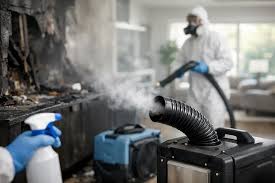
Professional restoration teams can evaluate affected surfaces and select cleaning procedures appropriate for the materials involved. The goal is to remove residues rather than simply cover the odor. Cleaning may involve several stages depending on the extent of the smoke damage and the condition of the property. Once affected surfaces have been properly addressed, additional odor-control procedures can be used when necessary.
Addressing Smoke Odors in Porous Materials
Porous materials can be particularly challenging because smoke particles may penetrate below the surface. Carpeting, upholstery, curtains, clothing, unfinished wood, insulation, and certain building materials can absorb smoke odors and continue releasing them into the indoor environment.Each material should be evaluated individually to determine whether it can be effectively cleaned and restored. In some cases, professional cleaning may help reduce or eliminate the odor. Materials that are heavily affected may require additional treatment or replacement if restoration is not practical. Removing or properly treating odor-affected porous materials is an important part of preventing the smell from returning after the rest of the property has been cleaned.
Smoke Odors in Walls and Ceilings
Walls and ceilings can retain smoke residues even when they appear relatively clean. Particles may settle on painted surfaces, enter small openings, or reach spaces behind building materials. In some situations, additional cleaning and treatment may be necessary before repainting or completing final repairs.Painting over an odor source without proper preparation may not always solve the problem. If residues remain on the surface, the odor can continue affecting the property. Professional restoration focuses on cleaning and preparing affected materials before the final stages of repair. This approach can help create a better foundation for finishing work and long-term odor control.
HVAC Systems and Smoke Odor Concerns
Smoke can travel through heating and cooling systems and may carry odor-causing particles into different rooms. Air ducts, vents, filters, and other HVAC components may require evaluation after a significant smoke event. If smoke residues remain inside parts of the system, odors may become noticeable again when the equipment operates.A professional assessment can help determine whether HVAC components require specialized attention. Depending on the extent of exposure, appropriate cleaning or maintenance may be necessary to address affected areas. Considering the HVAC system as part of the overall restoration process is important because treating only visible surfaces may leave another pathway for smoke odors to remain inside the property.
Odor Control After Fire Damage
Fire restoration often requires several different services because a property may experience flame damage, smoke contamination, soot residues, water exposure from firefighting efforts, and lingering odors. Smoke odor control should be integrated into the broader restoration process rather than treated as a completely separate issue.Before final repairs are completed, affected materials should be evaluated and properly cleaned. Structural components that remain damp after firefighting efforts may also require drying before restoration continues. Coordinating these different stages can help ensure that smoke residues and moisture problems are addressed before new finishes or materials are installed.
Smoke Odor Removal for Homes
Lingering smoke odors can make a home feel uncomfortable, even when the original incident was limited to a small area. Bedrooms, living rooms, kitchens, hallways, and other spaces may be affected because smoke can travel throughout the structure. Furniture, carpeting, clothing, curtains, and other household belongings may also absorb odor-causing particles.Professional restoration can help homeowners evaluate which areas and materials require attention. The process may include cleaning surfaces, treating affected contents, addressing porous materials, and managing odors in concealed spaces. A structured approach can help homeowners avoid focusing only on the room where the incident occurred while overlooking other areas that may have been affected by traveling smoke.
Smoke Odor Removal for Commercial Properties
Commercial properties may face additional challenges because smoke odors can affect employees, customers, inventory, equipment, and daily operations. Offices, retail facilities, restaurants, warehouses, and other business environments may require a carefully organized restoration process.A professional restoration provider can assess the affected areas and establish priorities based on the needs of the property. In some situations, work may be organized to focus on affected areas while helping protect unaffected portions of the building. Business owners and property managers can benefit from clear communication about the extent of the smoke damage and the steps required to address lingering odors before normal operations fully resume.
The Importance of Odor Source Removal
The most effective way to manage persistent odors is to focus on the source rather than simply masking the smell. Smoke particles can remain inside building materials, furniture, insulation, and other affected contents. If these materials are not properly cleaned, treated, or removed when necessary, the odor may continue returning.Professional restoration evaluates the condition of affected materials and determines the most appropriate course of action. This may include detailed cleaning, specialized treatment, or removal of materials that cannot be effectively restored. Addressing the source creates a stronger foundation for long-term odor control and helps improve the overall results of the restoration process.
Coordinating Cleaning and Property Restoration
Smoke odor problems may require both cleaning and physical repairs to the property. Heavily affected drywall, insulation, flooring, or other materials may need to be removed before repairs can begin. Once the affected surfaces have been properly addressed, restoration work can focus on repairing and refinishing the property.Coordinating these stages is important because final repairs should not be completed before the odor source has been evaluated. Installing new materials over unresolved smoke contamination can make future restoration more complicated. A comprehensive plan helps ensure that cleaning, odor control, and repairs work together to support a complete recovery.
Choosing a Professional Restoration Provider
Selecting a restoration provider is an important step when dealing with persistent smoke odors. Property owners should look for a company that understands the relationship between smoke residues and lingering odors and can evaluate the full scope of the affected environment.Experience with fire damage, smoke cleanup, odor control, contents restoration, and property repairs can be valuable when several types of restoration work are required. Clear communication is also important because property owners should understand which materials have been affected and what steps are recommended to address the problem. A professional provider should develop a plan based on the actual condition of the property rather than relying on a single odor-control method for every situation.
Preventing Long-Term Smoke Odor Problems
Prompt action after a smoke-producing event can help reduce the possibility of long-term odor problems. Smoke residues should be addressed before they remain on surfaces and inside porous materials for extended periods. Proper ventilation may be useful as part of the recovery process, but it should be combined with appropriate cleaning and restoration procedures.Property owners should also avoid assuming that the odor has been resolved simply because it becomes less noticeable over time. Some odors can become more apparent when humidity or temperature conditions change. A complete inspection and proper treatment of affected materials can help reduce the possibility of odors returning after the property has been restored.
The Value of a Comprehensive Restoration Process
Professional smoke odor removal is most effective when it is part of a complete restoration strategy. Smoke can affect multiple surfaces and materials, and each one may require a different approach. A comprehensive process can include inspection, residue removal, cleaning of affected contents, treatment of porous materials, evaluation of HVAC components, odor control, and property repairs when necessary.By addressing both visible and hidden sources of smoke odors, property owners can move toward a more complete recovery. The goal is not simply to make the property smell better temporarily but to identify and manage the materials responsible for the odor. A structured approach can help create a cleaner, more comfortable, and more functional indoor environment.
Conclusion
Smoke odors can remain long after the original event has ended because smoke particles can travel throughout a property and settle into walls, ceilings, flooring, furniture, insulation, and other materials. Ordinary air fresheners and basic cleaning may temporarily improve the smell, but they often do not address the underlying source of the odor.Professional smoke odor removal provides a more comprehensive approach by identifying affected areas, cleaning smoke residues, evaluating porous materials, addressing hidden sources, and coordinating necessary restoration work. Whether a property has experienced a fire, cooking incident, appliance malfunction, or another smoke-producing event, a structured restoration process can help reduce lingering odors and support a return to a cleaner and more comfortable environment. By focusing on the source of the problem and addressing affected materials properly, property owners can take meaningful steps toward long-term odor control and complete property recovery.