Residential Roofing: Building a Stronger, Safer, and More Durable Home
A home’s roof is one of its most important protective systems because it shields the structure and everything inside it from rain, wind, hail, sunlight, moisture, and changing temperatures. While quality roofing materials are designed to withstand regular exposure, no roof remains unaffected by time, weather, and normal wear. Small concerns such as cracked shingles, damaged flashing, blocked gutters, loose materials, or minor leaks can gradually become larger problems when they are overlooked. Professional residential roofing services can help homeowners identify these concerns early, repair existing damage, replace aging systems, and maintain the overall performance of the roof. A properly maintained roof also contributes to the appearance, comfort, energy performance, and long-term value of a home.
The Importance of a Complete Roofing System
A residential roof is made up of multiple components that must work together to provide dependable protection. The roof deck provides the structural foundation, while underlayment adds an additional barrier against moisture. Shingles, metal panels, or other roofing materials form the exterior weather-resistant surface, while flashing protects areas where the roof meets walls, chimneys, skylights, vents, and other structures. Proper ventilation helps regulate heat and moisture in attic spaces, while gutters and downspouts control rainwater as it leaves the roof. Soffits and fascia also contribute to roofline protection, drainage support, ventilation, and exterior appearance. Because these components are interconnected, a problem with one part can eventually affect another. A professional roofing evaluation considers the complete system instead of concentrating only on visible surface damage.
Common Roofing Problems Homeowners Should Recognize
Roofing problems can develop slowly as materials age or occur suddenly because of severe weather. Missing, cracked, curled, or loose shingles are common warning signs that a roof may need professional attention. Homeowners may also notice excessive granules accumulating in gutters, damaged flashing, deteriorated seals, exposed underlayment, or areas of visible sagging. Interior signs can be equally important because they may reveal moisture intrusion before extensive exterior damage becomes obvious. Ceiling stains, peeling paint, damp insulation, warped surfaces, and musty odors can all indicate that water has entered the building. Since water can travel underneath roofing materials before appearing inside, the location of an interior stain may not identify the exact source of the leak. Professional inspection can help determine where the problem originated and whether surrounding components have also been affected.
Why Regular Roof Inspections Matter
Regular inspections provide homeowners with an opportunity to identify roofing problems before they become expensive emergencies. During an inspection, professionals can evaluate shingles or other roofing materials, flashing, valleys, vents, roof edges, gutters, ventilation, and accessible structural components. Inspections are particularly important following strong winds, hail, heavy rain, or falling debris because storm damage may not always be visible from ground level. Routine evaluations are also useful for older roofs because they provide information about the condition of the existing system and help homeowners decide whether continued maintenance or replacement may be appropriate. Identifying deterioration early can reduce the risk of moisture reaching the roof deck, insulation, framing, ceilings, and interior finishes.
Professional Roof Repair Solutions
Not every roofing problem requires complete replacement. When damage is limited and the underlying structure remains in good condition, professional repair can restore the affected area and extend the useful life of the existing system. Common repairs include replacing missing or damaged shingles, repairing flashing, correcting localized leaks, securing loose materials, and addressing damaged roof edges. A proper repair should address the cause of the problem rather than simply covering the visible symptom. For example, replacing a damaged shingle without checking the surrounding flashing or underlayment may leave an underlying moisture problem unresolved. Experienced contractors can inspect the affected area and determine whether the damage is isolated or connected to a larger concern. Timely repairs can protect the structure while helping homeowners avoid unnecessary replacement expenses.
When Roof Replacement Becomes the Better Option
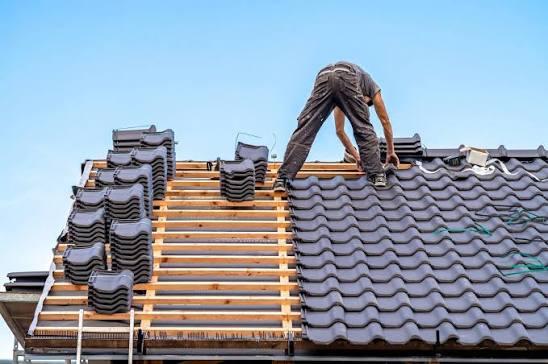
Eventually, some roofing systems reach a condition where continued repairs are no longer the most practical choice. Extensive storm damage, widespread deterioration, repeated leaks, structural concerns, and advanced material age can all indicate that replacement should be considered. A complete replacement allows professionals to remove old materials, inspect the roof deck, replace damaged sections, install new underlayment and flashing, evaluate ventilation, and apply a new roofing surface. Replacement can also improve the home’s exterior appearance and provide an opportunity to correct drainage or roofline problems. However, homeowners should not assume that every aging roof requires immediate replacement. A professional assessment can determine whether repairs can provide additional service life or whether a new system would provide better long-term value.
Selecting the Right Roofing Materials
Homeowners have several roofing material options, and each provides different characteristics in terms of durability, appearance, maintenance, and performance. Asphalt shingles are widely used because they offer versatility, practical performance, and numerous styles. Architectural shingles can provide additional visual dimension and complement many home designs. Metal roofing offers another option for homeowners who want a durable material with a distinctive appearance, while synthetic products can provide alternative designs inspired by traditional roofing materials. Homes with flat or low-slope sections may require specialized membranes and drainage systems because water management is particularly important on these roofs. Material selection should take into account the home’s structure, roof design, expected weather exposure, maintenance preferences, budget, and long-term goals. Professional guidance can help homeowners select a roofing material that balances appearance with practical performance.
The Role of Proper Roof Ventilation
Ventilation is an important part of residential roofing because it helps regulate heat and moisture in attic spaces. When warm air and moisture become trapped beneath the roof, condensation can develop and contribute to deterioration of roofing and structural components. Excessive attic heat can also affect certain materials and contribute to premature aging. Proper intake and exhaust ventilation can help create a more balanced attic environment while working alongside insulation to support the overall building envelope. During roof inspections and replacement projects, professionals can evaluate existing ventilation and determine whether improvements are appropriate. Addressing ventilation during major roofing work can support the long-term performance of the system and help protect the attic from moisture-related problems.
Protecting Vulnerable Areas With Flashing
Flashing is an essential component of a roofing system because it protects areas where the roof meets other surfaces. Chimneys, skylights, vents, walls, valleys, and roof edges can become vulnerable to water intrusion if flashing is damaged, loose, or incorrectly installed. Over time, flashing may deteriorate because of age, severe weather, corrosion, or repeated exposure to moisture. Even a small opening can allow water to move beneath roofing materials and reach the underlying structure. During inspections and repair projects, professionals should carefully examine these areas to determine whether flashing is functioning correctly. Properly installed flashing helps direct water away from vulnerable transitions and reduces the risk of recurring leaks.
Gutters and Roof Drainage
A home’s roof depends on an effective drainage system to control rainwater after it leaves the roofing surface. Gutters collect runoff along the roof edge and direct it toward downspouts, which carry water away from the structure. When gutters become clogged, damaged, improperly positioned, or inadequate for the roof’s runoff, water may overflow and affect fascia, siding, landscaping, and foundation areas. During roof installation or replacement, the condition and configuration of gutters should be evaluated to ensure that they work effectively with the roofing system. Downspouts should also direct water away from the foundation rather than allowing it to accumulate close to the structure. Keeping gutters and downspouts maintained is an important part of protecting the roof and surrounding exterior.
Storm Damage and Emergency Roofing Needs
Severe weather can create sudden roofing problems that require immediate professional attention. Strong winds can loosen or remove shingles, hail can cause impact damage, and falling branches can puncture roofing materials or damage the roof deck. Heavy rain following a storm can enter exposed areas and cause additional damage to insulation, ceilings, walls, and other interior components. Homeowners should avoid walking on a damaged roof because wet surfaces, loose materials, and unstable areas can create serious safety hazards. A professional inspection can determine the extent of the damage and whether temporary protection, localized repair, or complete replacement is appropriate. Prompt attention after a storm can reduce the possibility of secondary moisture damage and help control the overall restoration process.
Roofing for New Home Construction
New construction offers homeowners an opportunity to establish a reliable roofing system from the beginning. Planning should include the roof structure, roofing materials, underlayment, flashing, ventilation, insulation, drainage, and architectural design. Professional installation helps ensure that these components are properly integrated and that the roof is prepared to handle expected weather conditions. Selecting materials based on long-term performance rather than appearance alone can help homeowners make a more practical investment. Proper workmanship during construction can reduce the possibility of leaks, premature deterioration, and installation-related problems while providing a strong foundation for future maintenance.
Maintaining Soffits and Fascia
Soffits and fascia are important components around the roofline and contribute to both protection and appearance. Fascia provides a finished edge around the roof and may support gutters, while soffits protect the underside of roof overhangs and can contribute to attic ventilation. Moisture, pests, storms, and aging materials can cause these components to deteriorate. Damaged fascia can affect gutter attachment, while damaged soffits can create openings where moisture or unwanted animals may enter. During roofing inspections, repairs, or replacements, professionals should evaluate these components for signs of deterioration. Addressing roofline problems at the same time as roofing work can provide a more complete exterior solution and reduce the chance of related issues developing later.
Choosing the Right Roofing Contractor
The quality of workmanship has a direct effect on how well a roofing system performs, making contractor selection an important part of any project. Homeowners should look for professionals with experience handling the specific service required, whether it involves roof repair, replacement, storm restoration, gutters, new construction, or roofline improvements. A dependable contractor should explain the current condition of the roof, identify recommended work, discuss material options, and provide a clear estimate. Homeowners may also ask about workmanship warranties, material warranties, project scheduling, cleanup procedures, and communication throughout the project. Taking time to evaluate a contractor can help homeowners choose a professional who focuses on quality installation and long-term performance rather than simply completing the fastest possible repair.For homeowners looking for dependable residential roofing services, professional assistance can cover roof repairs, replacement, storm restoration, gutter work, soffit and fascia services, and other exterior roofing needs. Working with an experienced roofing professional can help ensure that the home’s roofing system receives appropriate attention from inspection through completion.
Preparing for a Roofing Project
Proper preparation can help homeowners understand the work involved and make the project more organized. Before construction begins, property owners should have a clear understanding of the project scope, selected materials, expected timeline, access requirements, cleanup process, and any special considerations. A replacement project may involve removing old roofing materials, inspecting the roof deck, replacing damaged sections, installing underlayment and flashing, evaluating ventilation, and applying new roofing materials. Repair projects may be smaller but still require careful preparation to ensure that new materials integrate correctly with the existing system. Homeowners should communicate known leaks, previous repairs, storm damage, attic concerns, and gutter problems to the contractor before work begins because this information can help with planning and inspection.
Long-Term Roof Maintenance
A newly installed or professionally repaired roof still requires ongoing maintenance to remain in good condition. Homeowners should inspect the roof after severe weather, keep gutters clear, remove excessive debris when appropriate, and address visible deterioration promptly. Trees and branches should be maintained when they could contact the roof during strong winds. Attic spaces should also be monitored for moisture, condensation, and ventilation concerns. If interior stains, damp insulation, or unusual odors appear, homeowners should seek professional evaluation instead of allowing the problem to continue. Maintenance requirements vary according to roofing material, roof age, design, and environmental exposure, but regular inspections and timely repairs can help extend the useful life of the system and reduce unexpected expenses.
Improving Home Comfort Through Roofing
A properly designed roofing system can contribute to indoor comfort and overall building performance. Roofing materials, insulation, ventilation, and installation quality can all affect how efficiently a home manages heat and moisture. Excessive attic heat may contribute to warmer indoor conditions, while trapped moisture can lead to condensation and deterioration. During a roof replacement or major renovation, homeowners can discuss ventilation, insulation, and roofing materials with their contractor to determine whether improvements are appropriate. Roofing functions as part of the larger building envelope, so its performance should be considered alongside exterior walls, insulation, windows, and other components. A well-planned system can help support a more comfortable and durable home.
Protecting Long-Term Home Value
The condition of a roof can influence the appearance, functionality, and perceived value of a home. A neglected roof may create concerns about leaks, structural damage, maintenance expenses, and future replacement requirements. A properly maintained or recently replaced roof can provide greater confidence in the overall condition of the property. Regular inspections and timely repairs help preserve the roof while also protecting other exterior components from moisture-related deterioration. Homeowners should keep records of inspections, repairs, maintenance work, and replacement projects because these records can be useful when evaluating the home’s condition or preparing for a future sale. A documented roofing history can also help homeowners plan future maintenance and replacement decisions more effectively.
Conclusion
A reliable roof is essential for protecting a home from weather, moisture, temperature changes, and other environmental conditions. Professional residential roofing services can address a wide range of needs, including inspections, repairs, replacement, storm restoration, gutter services, soffit and fascia work, and new construction. Because a residential roof consists of multiple interconnected components, successful installation and maintenance require attention to the entire system rather than only the visible surface.Homeowners should address roofing concerns promptly because small problems can become significantly more expensive when moisture is allowed to spread. Professional inspections can reveal hidden damage and help determine whether repair or replacement is the most appropriate solution. When repairs are sufficient, timely service can extend the life of an existing roof, while replacement can provide a stronger and more dependable system when materials are extensively deteriorated or damaged.Ultimately, investing in quality residential roofing is an investment in the protection, comfort, appearance, and value of a home. With suitable materials, skilled installation, effective drainage, proper ventilation, regular inspections, and consistent maintenance, homeowners can keep their roofing system performing effectively for many years. A strong roof protects more than the living space; it also helps preserve the walls, attic, foundation, roofline, and other components that work together to keep the entire home secure.