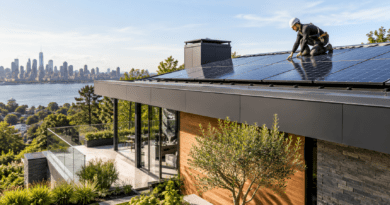
Everything You Need to Know Before Choosing a Professional Solar Provider for Your Energy Needs
Solar energy has become an increasingly practical option for homeowners, businesses, and property owners looking for cleaner ways to generate electricity and manage their energy consumption. However, choosing solar panels is only one part of the process, because the provider responsible for designing, supplying, and installing the system can have a major influence on its performance and long-term reliability. A professional solar company can evaluate energy requirements, inspect the available installation area, recommend suitable equipment, explain system options, and provide installation and maintenance services. Taking the time to research different providers before making a decision can help customers understand their options and avoid common mistakes. A carefully planned solar project can provide dependable renewable electricity for many years, making the selection of an experienced and trustworthy provider an important part of the overall investment.
Understanding the Role of a Solar Provider
A solar provider can offer much more than simply supplying photovoltaic panels. Depending on the services available, a provider may assist with initial energy assessments, system design, equipment selection, installation, battery storage, monitoring, maintenance, and future upgrades. These different services need to work together because a solar system is made up of several interconnected components. The panels, inverter, mounting structure, electrical wiring, monitoring equipment, and optional battery storage all need to be compatible with one another. A professional provider can coordinate these elements and develop a system around the property’s specific requirements. Understanding the complete role of a solar provider can help customers evaluate companies based on the quality of their overall service rather than focusing only on the price of the panels or installation.
Assessing Your Energy Consumption
Before discussing system options with a provider, property owners should have a general understanding of their electricity consumption. Reviewing previous electricity bills can reveal average monthly usage and seasonal changes in demand. Appliances, heating and cooling equipment, lighting, office equipment, and other electrical loads can all influence the amount of energy required. Future consumption should also be considered because electricity usage may increase after adding an electric vehicle, new appliances, or other equipment. A professional provider should analyze these factors when determining the appropriate system size. Installing too few panels may result in insufficient energy production, while installing significantly more capacity than needed can increase the initial investment. Careful energy assessment provides a better foundation for selecting equipment and designing an efficient system.
Evaluating the Installation Area
The physical characteristics of the installation area can significantly affect solar system design. For a roof-mounted system, professionals should evaluate the roof’s condition, available space, orientation, slope, and structural suitability. Features such as vents, chimneys, skylights, and roof edges may influence panel placement. Ground-mounted systems require different considerations, including available land, soil conditions, drainage, structural support, and accessibility. A thorough site assessment can identify potential obstacles before installation begins. It also helps determine the most practical panel layout and whether any preparation work is required. Customers should be cautious of providers who recommend a system without properly evaluating the property. A detailed site assessment is an important indication that the provider is taking the project’s specific requirements seriously.
Considering Sunlight and Shading
The amount of sunlight available at the installation area is one of the most important factors affecting solar production. Trees, buildings, walls, roof structures, and other obstacles can create shadows at different times of the day. Seasonal changes can also influence shading patterns because the position of the sun changes throughout the year. A professional solar assessment should consider these conditions when developing the panel layout. In some situations, panels can be repositioned to reduce shading, while certain system configurations may help manage the effects of partial shade. Ignoring shading can result in lower energy production than originally expected. Understanding how sunlight interacts with the property allows the provider to develop a more realistic design and helps customers establish reasonable expectations for system performance.
Choosing Quality Solar Panels
Solar panels are a major part of any photovoltaic system, so customers should carefully compare available products. Panels can differ in efficiency, power output, dimensions, durability, warranty coverage, and expected operating performance. Higher-efficiency panels may be useful where installation space is limited, while other products may offer different advantages related to cost or physical characteristics. Customers should consider the manufacturer’s reputation and warranty terms as well as the panel’s technical specifications. Choosing a product simply because it has the lowest purchase price may not provide the best long-term value. A professional provider should explain the reasons behind its equipment recommendations and help customers understand the differences between available products. This allows the final decision to be based on quality, performance, reliability, and suitability rather than price alone.
Selecting the Right Inverter
The inverter is another essential component of a solar energy system because it manages the conversion of electricity produced by the panels into electricity suitable for the property’s electrical system. Different inverter technologies can be used depending on system size, panel arrangement, shading conditions, monitoring requirements, and other design factors. The inverter should be appropriately sized and compatible with the selected solar panels and electrical equipment. Monitoring features can also be valuable because they allow property owners to track system production and identify unexpected changes. When comparing solar proposals, customers should ask which inverter is included and why it has been selected. Understanding the role of the inverter can help customers appreciate that the quality of the overall system depends on more than the panels themselves.
Considering Battery Storage
Battery storage can provide additional flexibility for properties that generate solar electricity during the day but consume more energy at other times. Instead of using all generated electricity immediately, a battery can store some energy for later use, depending on the system design. Battery storage can also support backup power functions when the appropriate equipment and configuration are included. However, batteries increase the complexity and cost of a solar installation, so they should be considered according to actual energy requirements. Customers should evaluate their electricity consumption patterns, backup goals, available installation space, and future energy needs before deciding whether storage is appropriate. A professional provider can explain how a battery would integrate with the panels, inverter, electrical system, and monitoring equipment.
Comparing Installation Quality
Professional installation is an important factor when choosing a solar provider because even high-quality equipment can perform poorly if it is installed incorrectly. Panels need to be securely mounted and positioned, while wiring and electrical connections must be completed properly. Roof installations also require careful attention to mounting points and weather protection. Inverters, disconnects, monitoring equipment, and other electrical components should be installed according to appropriate requirements and manufacturer instructions. Customers should ask potential providers about installation experience, qualifications, workmanship warranties, and quality-control procedures. It is also useful to understand who will actually perform the installation and whether the provider uses its own trained teams or outside contractors. Evaluating installation practices can help customers choose a provider that places importance on long-term system reliability.
Comparing Different Providers
It is generally beneficial to compare several providers before committing to a solar project. Different companies may recommend different system sizes, equipment brands, installation methods, warranties, financing options, and maintenance packages. Reviewing detailed proposals can reveal differences that may not be obvious from the initial price. Customers should compare panel specifications, inverter models, battery options, monitoring systems, installation services, warranty coverage, and ongoing support. The cheapest proposal may not provide the best overall value if it includes lower-quality equipment or limited service. Communication is also important because a professional provider should be willing to answer questions and explain its recommendations clearly. Comparing complete proposals gives customers a better opportunity to select a provider that matches their technical requirements and long-term expectations.
Understanding Solar Installation Costs
The total cost of a solar project can depend on several factors, including system size, equipment quality, installation complexity, battery storage, electrical upgrades, and additional services. Customers should request a detailed written proposal that clearly explains what is included in the quoted price. This can help identify whether installation, monitoring, maintenance, equipment upgrades, and other services are included or charged separately. Customers should also ask whether unexpected site conditions could result in additional costs. Looking only at the initial price can make it difficult to compare different proposals fairly. Instead, customers should consider the complete value of the system, including equipment quality, expected performance, warranties, installation workmanship, maintenance requirements, and long-term support. Understanding the total financial commitment can help prevent surprises after the project begins.
Exploring Financing Options
Financing may allow customers to spread the cost of a solar installation over a longer period rather than paying the entire amount upfront. However, financing arrangements should be reviewed carefully before signing any agreement. Customers should understand the total cost, payment schedule, interest or financing charges where applicable, and any conditions associated with the arrangement. A lower monthly payment does not necessarily mean that the project is less expensive overall. Property owners should compare financing terms alongside the technical specifications and total project price. A trustworthy provider should explain available options clearly and give customers enough time to review the documentation. Making a decision based on both financial and technical information can help customers choose an arrangement that fits their budget and long-term energy goals.
Reviewing Warranties and Guarantees
Warranties provide an important layer of protection for a solar investment. Solar panels may have separate product and performance warranties, while inverters and batteries can have their own coverage periods and conditions. Installation workmanship may also be covered by a separate provider warranty. Customers should ask exactly what each warranty covers, how long it lasts, and what process must be followed if a problem occurs. It is also important to understand whether maintenance or unauthorized modifications can affect warranty protection. Keeping contracts, invoices, equipment information, and installation records in a safe place can make future warranty claims easier. A provider that explains warranties clearly demonstrates transparency and gives customers a better understanding of the protection associated with their investment.
Considering Maintenance Services
Solar systems are designed to operate for many years, but regular maintenance can help support reliable performance. Dust, dirt, leaves, and other debris can accumulate on panels and affect the amount of sunlight reaching the photovoltaic cells. Mounting structures, wiring, electrical equipment, and other components may also require periodic inspection. Monitoring technology can provide useful information about system production and may help identify unusual changes. Customers should ask providers what maintenance is recommended and whether ongoing service is available. Having access to professional maintenance can make it easier to address problems before they become more serious. When evaluating providers, customers should consider not only the initial installation but also the level of support available throughout the system’s operating life.
Understanding System Monitoring
Monitoring technology can provide property owners with useful information about solar system performance. Depending on the equipment, users may be able to view electricity production, historical data, current system status, and alerts through a monitoring platform. This information can help customers understand how their system performs under different weather and seasonal conditions. Unexpected reductions in production may indicate shading, equipment issues, or other problems that require investigation. Monitoring does not replace professional inspections, but it provides an additional way to observe system performance. Customers should ask whether monitoring is included in the proposed system and what information it provides. A useful monitoring system can make energy management more transparent and help property owners become more aware of their electricity generation and consumption patterns.
Planning for Future Energy Needs
Energy consumption can change significantly over the life of a solar system, so future requirements should be considered during the initial design. Property owners may eventually purchase an electric vehicle, add battery storage, install new appliances, or make other changes that increase electricity consumption. The available roof space, inverter capacity, electrical infrastructure, and system design can influence whether future expansion is possible. Discussing potential changes with a provider before installation can help determine whether the system should be designed with flexibility in mind. Although it is impossible to predict every future energy need, considering likely changes can help avoid unnecessary limitations. A system that can accommodate future upgrades may provide greater long-term value and reduce the need for major modifications.
Evaluating Customer Service
Customer service is an important consideration because the relationship with a solar provider can continue long after the installation is completed. Customers may need help with monitoring, maintenance, equipment questions, warranty claims, repairs, or future upgrades. A provider that communicates clearly and responds to customer concerns can make system ownership easier. During the consultation process, customers can assess how thoroughly the provider answers questions and whether technical information is explained in an understandable way. It is also useful to ask how support requests are handled after installation. Strong customer service can provide greater confidence and make it easier to resolve issues throughout the system’s operating life. The quality of communication should therefore be considered alongside technical expertise and equipment selection.
Avoiding Common Solar Mistakes
Property owners can encounter several common mistakes when selecting and installing solar systems. Choosing equipment solely because it has the lowest price can result in compromises in quality, warranty protection, or performance. Failing to assess shading or roof condition can also create unexpected problems. Other mistakes include selecting an inappropriate system size, overlooking future energy needs, misunderstanding financing terms, or failing to review warranty conditions. These issues can often be reduced through careful research and detailed discussions with prospective providers. Customers should request written proposals, compare specifications, ask questions, and ensure that important commitments are documented. A thorough planning process allows potential problems to be identified before installation begins. Careful preparation can protect the financial investment and improve the chances of achieving the desired energy results.
The Importance of Professional Guidance
Solar energy involves electrical, structural, and energy-management considerations that can be difficult for property owners to evaluate independently. Professional guidance can help turn general energy goals into a practical system design. Experienced professionals can identify potential shading problems, evaluate installation surfaces, recommend compatible equipment, and ensure that electrical components are properly integrated. They can also explain battery storage, monitoring, maintenance, and future expansion options. Every property has different characteristics, so a system that works well in one situation may not be appropriate for another. Professional assessment allows the design to be based on actual site and energy conditions rather than generic assumptions. This can make the overall installation process more efficient and reduce the likelihood of avoidable problems.
Making a Long-Term Investment
Solar equipment is generally designed to provide electricity over many years, making the purchase a long-term investment. Property owners should consider equipment lifespan, maintenance requirements, warranty coverage, expected performance, and future energy needs when evaluating a project. A well-designed system with quality components and professional installation can continue producing renewable electricity for an extended period. Long-term value depends on several factors, including system design, equipment quality, energy consumption, installation workmanship, and environmental conditions. Customers should therefore evaluate the complete project rather than focusing on one feature or the initial purchase price. Looking at the system as a long-term energy investment can encourage more thoughtful decisions and help property owners choose equipment and services that remain suitable over time.
Final Thoughts
Choosing the right solar company is an important decision for anyone planning to invest in renewable energy. A successful project requires much more than purchasing solar panels, as system design, energy assessment, equipment selection, professional installation, battery storage, monitoring, maintenance, warranties, financing, and customer service can all affect the overall experience. Property owners should compare providers carefully, request detailed proposals, and ask questions about every major part of the project before making a commitment. A professional provider should help customers understand their options and recommend a system based on the property’s actual energy requirements rather than offering a generic solution. By taking a careful approach to research and planning, property owners can make a more informed investment and establish realistic expectations for solar performance. Ultimately, selecting an experienced solar company that combines quality equipment, skilled installation, transparent communication, and dependable long-term support can make the transition to solar energy smoother and more valuable for years to come.