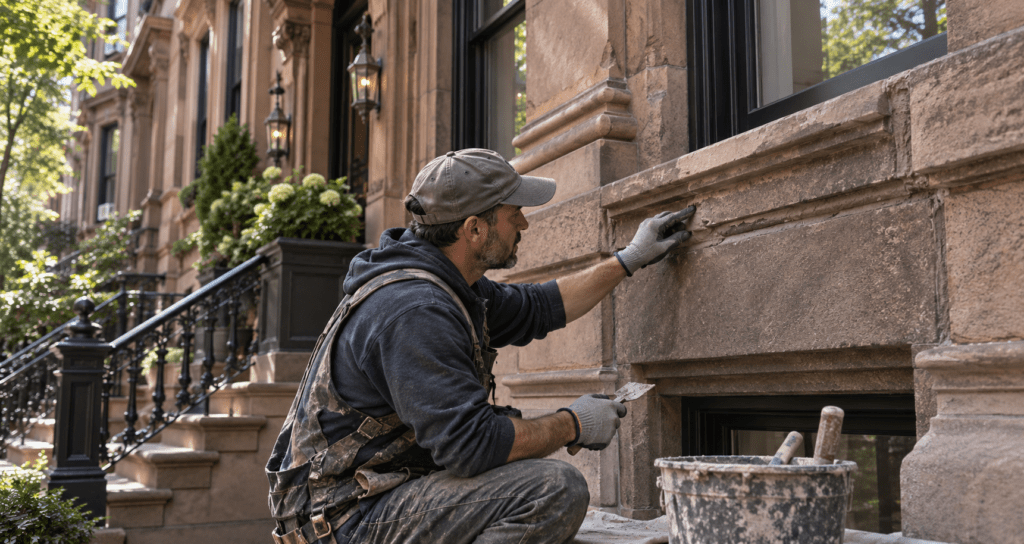
Effective Approaches to Maintaining Exterior Masonry, Preventing Water Damage, and Protecting Important Structural Features
Exterior masonry is an important part of many homes and buildings because it provides strength, durability, weather protection, and visual character. Bricks, mortar, stone, concrete components, flashing, crowns, and other structural features can withstand years of exposure, but they still require regular attention. Rain, snow, temperature changes, moisture, wind, and normal aging can gradually weaken masonry materials. Small cracks or gaps may initially appear harmless, yet they can allow water to enter areas where it can cause more extensive deterioration. A thoughtful maintenance strategy can help property owners identify these concerns early and protect the structure from unnecessary damage. Regular inspections, appropriate materials, professional workmanship, and effective moisture management all contribute to maintaining a stronger and more durable exterior.
Understanding Exterior Masonry Maintenance
Exterior masonry maintenance involves more than simply repairing visible cracks or cleaning stained surfaces. A masonry structure consists of multiple components that work together to protect the building from weather and environmental exposure. Bricks or stones form the visible exterior, while mortar joints help connect individual units and accommodate certain levels of movement. Other elements, such as flashing, drainage paths, sealants, caps, and surrounding roof components, help direct water away from vulnerable areas. When one component deteriorates, it can affect other parts of the structure. Understanding this relationship is important when planning maintenance or investigating signs of damage.Regular inspection provides an opportunity to identify changes before they become significant. Property owners should look for cracked masonry, deteriorated mortar, loose materials, staining, damaged flashing, gaps around openings, and areas where water appears to collect. Some problems may be visible from the ground, while others require closer professional evaluation. Exterior surfaces can sometimes hide deterioration behind finishes or protective materials, making a detailed inspection particularly valuable. A maintenance plan should therefore combine routine visual checks with professional assessments when there are signs of structural or moisture-related problems.
Recognizing Early Signs of Deterioration
Early detection is one of the most effective ways to manage exterior masonry problems. Cracks are among the most common warning signs, but their location, size, direction, and pattern can provide important information about possible causes. Horizontal, vertical, stair-step, or irregular cracking may develop for different reasons. Some cracks can result from normal movement, while others may indicate moisture damage, settlement, thermal expansion, or deterioration of surrounding materials. A single small crack does not necessarily indicate a major structural issue, but changes over time should be taken seriously.Other signs include white or powdery deposits on masonry, dark staining, deteriorated mortar joints, spalling surfaces, loose bricks, rusted metal components, or areas that remain damp after surrounding surfaces have dried. Interior staining near exterior walls can also indicate that water is entering through a vulnerable location. Homeowners should avoid assuming that the most visible defect is automatically the source of the problem. Water can travel through hidden pathways before appearing in another area. Proper investigation helps identify the actual source so that repairs can address the cause rather than only the symptom.
The Importance of Mortar Joints
Mortar joints are essential to masonry construction because they connect individual bricks or stones and help distribute loads. Over time, weather exposure can cause mortar to become soft, cracked, recessed, or completely missing in certain areas. Once joints deteriorate, water can enter more easily and remain within the masonry system. This can accelerate deterioration and potentially affect surrounding masonry units. Regular inspection of mortar joints is therefore an important part of long-term exterior maintenance.When damaged joints require restoration, the replacement material should be compatible with the existing masonry. Using an excessively hard mortar on older or softer masonry can create stress and potentially cause the surrounding bricks or stones to deteriorate more quickly. The goal should be to restore the joint while allowing the masonry system to perform appropriately. Proper preparation is also important because new mortar should bond effectively with the existing structure. Skilled workmanship can improve the durability and appearance of the finished repair while reducing the likelihood of recurring problems.
Managing Moisture Before It Causes Damage
Moisture is one of the most significant threats to exterior masonry because water can enter through small cracks, open joints, damaged flashing, porous materials, or defective roof connections. Once inside, moisture can contribute to staining, corrosion, freeze-thaw damage, and deterioration of mortar and masonry units. Repeated wetting and drying can gradually weaken materials, particularly when water is trapped within the structure. Preventing unnecessary moisture entry is therefore more effective than waiting for visible damage and repeatedly repairing its consequences.A complete moisture-management strategy should examine the entire exterior rather than focusing on a single component. Roof edges, gutters, downspouts, flashing, windows, doors, masonry joints, caps, and drainage paths can all influence how water moves around a building. If water is allowed to collect near a vulnerable area, even high-quality masonry may eventually experience problems. Keeping drainage systems functional and directing water away from walls can reduce exposure. Where persistent moisture is suspected, professional assessment can help determine whether the issue originates from the masonry itself or from an adjacent building component.
Protecting Masonry From Weather Exposure
Weather exposure naturally affects exterior building materials. Rain can introduce moisture, sunlight can contribute to surface aging, and temperature changes can cause materials to expand and contract. In colder conditions, water trapped within porous materials may freeze and expand, creating internal pressure that contributes to cracking or surface deterioration. Repeated cycles can gradually turn minor defects into larger areas of damage. Proper maintenance helps reduce these effects by keeping vulnerable areas protected and addressing defects before they allow significant water penetration.Weather protection should not necessarily mean sealing every exterior surface with an impermeable coating. Masonry often needs to manage moisture and allow appropriate vapor movement. Applying an unsuitable coating can sometimes trap moisture inside the wall rather than preventing it from entering. Any protective treatment should therefore be selected according to the masonry type, building design, and manufacturer’s recommendations. Professional evaluation is particularly important for older structures where modern products may not be compatible with the original construction.
Maintaining Flashing and Roof Connections
The areas where masonry meets roofing materials are particularly vulnerable to water intrusion. Flashing is designed to direct water away from these connections and prevent it from entering the building. Over time, flashing can corrode, loosen, crack, or become separated from surrounding materials. Sealants used around these areas can also deteriorate due to weather exposure and normal movement. A damaged flashing system may allow water to enter behind masonry or into roof structures where damage can remain hidden for a considerable period.Regular inspection of flashing can help identify problems before they become major. If flashing has reached the end of its service life, replacement may be more appropriate than applying additional sealant over deteriorated materials. The correct repair method depends on the construction of the roof and masonry system. Flashing should be installed so that water naturally moves away from vulnerable joints. Proper integration with surrounding roofing materials is essential for long-term performance. Addressing these connections early can help prevent moisture from spreading into concealed areas.
The Role of Chimney Caps and Crowns
Chimneys are exposed to weather from multiple directions, making their upper components particularly important for moisture management. Caps and crowns help direct water away from the masonry and reduce the amount of rain and debris entering the structure. Cracks or gaps in these components can allow water to penetrate the masonry from above. Over time, this can contribute to deteriorated mortar, staining, corrosion, and other forms of damage. Regular inspection of the upper portions of a chimney is therefore an important part of exterior maintenance.A properly maintained crown should encourage water to move away from the chimney rather than allowing it to remain on the surface. Edges, corners, and transitions deserve particular attention because they may become vulnerable as materials age. Chimney caps should also be checked for corrosion, loose sections, or physical damage. If repairs are necessary, materials should be selected according to the existing construction and environmental exposure. Addressing these components promptly can help protect the masonry below and reduce the likelihood of moisture-related deterioration.
Understanding Brick and Stone Damage
Brick and stone can experience different forms of deterioration depending on their composition, age, installation, and exposure. Surface flaking, known as spalling, can occur when moisture penetrates porous materials and contributes to internal stress. Cracked units may result from impact, thermal movement, structural changes, or moisture-related problems. Loose masonry can present a more immediate concern because individual pieces may become unstable. Any masonry that appears significantly displaced or unstable should be evaluated by a qualified professional rather than handled casually.Replacing damaged units requires careful attention to compatibility. New bricks or stones should match the existing structure as closely as practical in size, strength, texture, and moisture behavior. A visually similar material is not always structurally appropriate. The surrounding mortar should also be considered because differences in hardness or movement characteristics can affect long-term performance. A proper repair should restore both appearance and function. Simply filling a damaged area with an unrelated material may create additional problems later.
Addressing Water Stains and Efflorescence
White or chalky deposits sometimes appear on masonry when water carries soluble salts toward the surface and evaporates. This condition, commonly called efflorescence, can indicate that moisture is moving through the masonry. Although the deposits themselves may not always represent severe structural damage, their presence can provide useful information about moisture movement. Cleaning the surface may improve appearance, but if the underlying moisture source remains active, the deposits can return.The correct response depends on why moisture is entering the structure. Potential sources may include damaged flashing, roof drainage, cracks, open mortar joints, defective caps, or other pathways. Addressing the source is generally more useful than repeatedly removing the visible deposits. Cleaning methods should also be selected carefully because aggressive techniques can damage masonry surfaces. Professional evaluation can help distinguish ordinary surface staining from signs of a larger moisture-management problem.
Improving Drainage Around the Building
Water management around the foundation and exterior walls can significantly influence masonry durability. Gutters and downspouts should direct rainwater away from vulnerable areas instead of allowing it to collect near walls. Blocked gutters can overflow onto masonry, while poorly positioned downspouts can create persistent wet conditions near the building. Soil grading can also influence where water flows during rainfall. Small drainage problems may seem unrelated to masonry, but prolonged exposure to moisture can eventually affect exterior surfaces.Regular inspection of gutters, downspouts, and drainage paths can therefore form part of a broader masonry-maintenance routine. Leaves, dirt, and other debris should be removed as appropriate so that water can move freely. Downspout extensions may be useful where water is being discharged too close to the structure. Any significant drainage problem should be evaluated according to the building’s design and local conditions. Effective water management reduces the amount of moisture that masonry must withstand and can support longer service life.
Choosing Appropriate Repair Methods
Different types of masonry damage require different repair approaches. Small mortar defects may be addressed through localized joint restoration, while cracked bricks may require replacement. Larger structural movement may require engineering assessment before repairs can begin. Moisture-related deterioration requires identification of the water source, while damaged flashing may need reconstruction. Applying the same repair material to every defect is rarely appropriate because masonry systems can vary significantly in construction and condition.Before starting work, property owners should understand what caused the damage and what the proposed repair is intended to accomplish. Contractors should be able to explain the affected component, recommended repair method, materials, and expected maintenance requirements. This information helps prevent temporary fixes from being mistaken for permanent solutions. A good repair should address both visible deterioration and the conditions that caused it. When appropriate materials and methods are used together, the repaired area can better integrate with the existing structure.
When Professional Inspection Is Necessary
Some masonry concerns can be monitored by homeowners, but certain situations require professional evaluation. Large or rapidly expanding cracks, loose masonry, significant water intrusion, structural displacement, extensive spalling, and repeated moisture problems should not be ignored. Professional inspectors can examine areas that are difficult to access and determine whether visible defects indicate deeper structural concerns. They may also assess related systems such as roofing, flashing, drainage, and other exterior components.Professional inspection can be particularly valuable before purchasing an older property or undertaking major renovation work. Understanding the condition of exterior masonry before beginning a project can help owners budget appropriately and avoid unexpected complications. Documentation from inspections can also provide a baseline for future comparisons. If the same area is inspected periodically, changes can be identified more easily. This makes maintenance more proactive and reduces the risk of discovering serious deterioration only after it has become extensive.
Selecting Skilled Masonry Professionals
Choosing a qualified contractor is an important part of achieving durable results. Experience with the specific type of masonry used on a property can be valuable because different materials require different repair techniques. Property owners should ask about previous work, repair methods, materials, expected timelines, and warranties where applicable. Clear communication about the cause of damage is also important. A contractor who explains why a problem developed can provide more useful guidance than one who focuses only on covering visible defects.Property owners should also be cautious about proposals that recommend unnecessary work without explaining the reason. A professional assessment should distinguish between cosmetic maintenance, preventive measures, and structural repairs. Written estimates can help clarify the scope of work and identify which components are included. When several contractors provide proposals, comparing the actual repair methods and materials can be more useful than comparing prices alone. Quality workmanship and appropriate materials are important investments when protecting a long-term structural feature.
Preventive Maintenance and Seasonal Inspections
Preventive maintenance can reduce the likelihood of expensive repairs. Homeowners can perform basic visual inspections periodically, looking for new cracks, damaged joints, staining, loose materials, and changes around roof connections. Seasonal inspections can be particularly useful after periods of heavy rain, severe storms, or temperature extremes. Problems discovered early can often be addressed before they spread to surrounding materials.Maintenance records can also improve long-term planning. Photographs, inspection dates, repair details, and information about materials can provide a useful history of the property. This information allows owners to compare current conditions with previous inspections and recognize gradual changes. A documented maintenance history can also help future contractors understand previous repairs. Instead of treating each problem as a completely new event, professionals can consider the structure’s history when recommending future work.
Protecting Structural Features During Renovations
Home renovations can sometimes affect exterior masonry even when the project is focused on another part of the building. New windows, doors, roofing systems, additions, vents, electrical work, or plumbing penetrations may create new openings through exterior materials. If these connections are not properly sealed and flashed, they can introduce water into the structure. Renovation planning should therefore consider how new work interacts with existing masonry and drainage systems.Contractors working on different parts of a building should understand the importance of maintaining existing water-management details. Removing flashing or disturbing mortar during another project can create vulnerabilities that may not become visible until after the work is complete. Proper coordination between trades can help protect exterior walls and other structural features. Whenever a renovation changes the building envelope, the affected masonry should be inspected afterward to ensure that new connections remain properly protected.
Final Thoughts
Effective exterior masonry maintenance requires a combination of inspection, moisture control, appropriate materials, skilled workmanship, and regular preventive care. Bricks, stones, mortar joints, flashing, crowns, caps, drainage systems, and roof connections all contribute to the overall durability of a building. Small defects should not automatically be treated as emergencies, but they should be monitored and evaluated when they change, expand, or allow water to enter. Chimney repair and other masonry work are most effective when the underlying cause of deterioration is addressed instead of simply covering visible damage.A proactive maintenance strategy can protect important structural features while reducing the likelihood of costly future problems. Property owners should maintain drainage systems, inspect visible masonry, monitor roof connections, address deteriorated mortar, and seek professional assistance when significant damage appears. Keeping detailed records can also make long-term maintenance more organized and predictable. By treating exterior masonry as an ongoing maintenance responsibility rather than an occasional repair issue, homeowners can preserve structural performance, improve weather protection, and maintain the appearance and value of their property for many years.