Everything You Need to Know About Bruno Madrigal from Encanto
Why Bruno Madrigal Became Encanto’s Most Talked-About Character
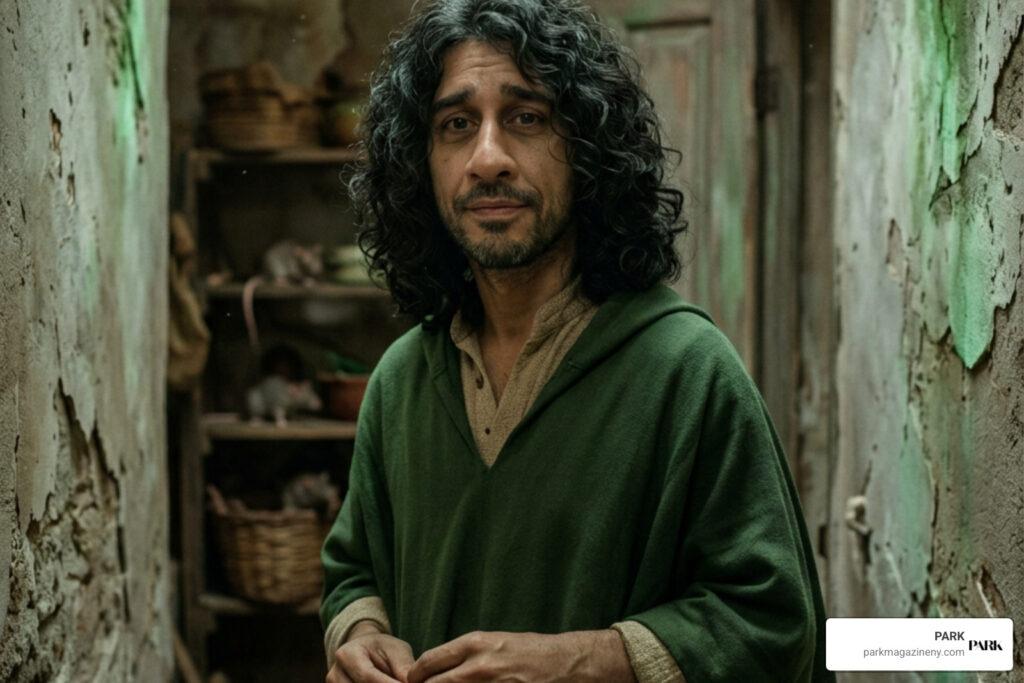
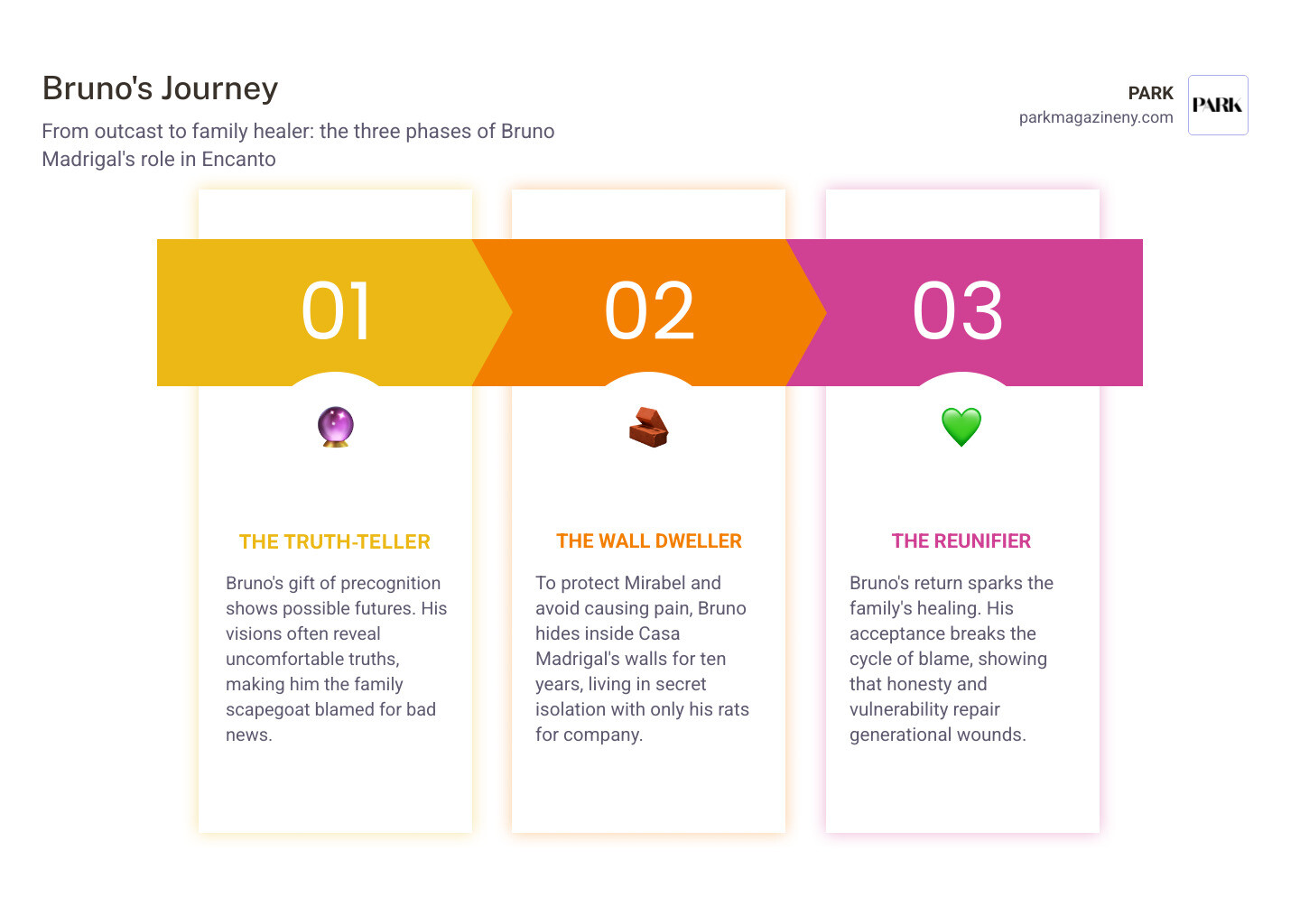
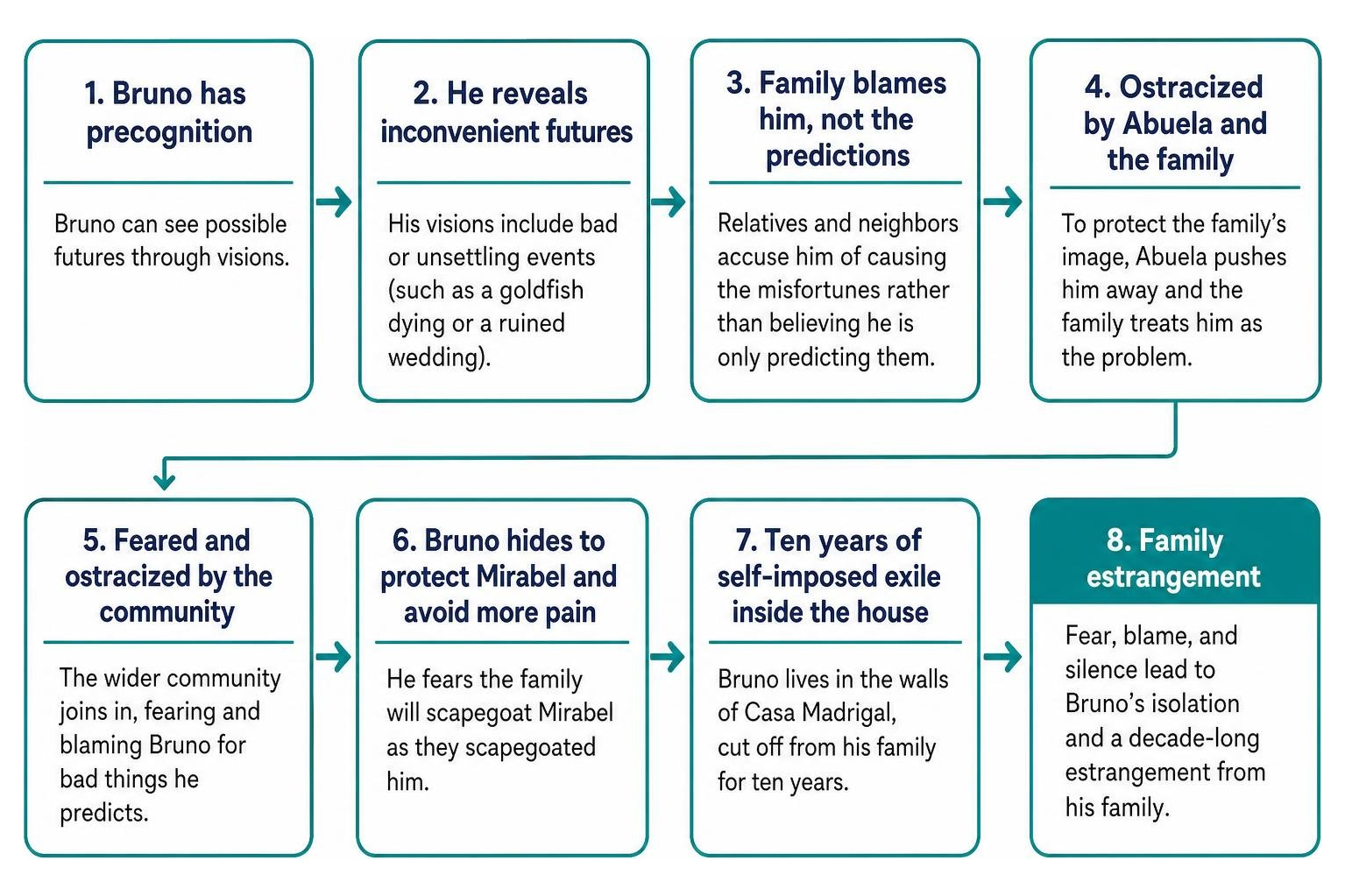
Bruno Madrigal is Mirabel’s uncle in Disney’s 2021 animated film Encanto. He is a 50-year-old member of the magical Madrigal family whose gift is seeing possible futures. Because relatives and neighbors blame him for bad news he predicts, Bruno becomes the family’s feared outsider – then hides inside Casa Madrigal’s walls for ten years to protect Mirabel and avoid causing more pain.
Voiced by John Leguizamo, Bruno is far more than the subject of a hit song. His story explores what happens when a family treats an inconvenient truth-teller as the problem. It also gives Encanto much of its emotional weight: acceptance, honesty, and repair begin when the Madrigals finally make room for the person they pushed away.
“We Don’t Talk About Bruno” turned that idea into a global cultural moment, reaching No. 1 on Billboard’s Hot 100 after drawing 69.3 million streams in a single week in February 2022.
I am W.A. Muller, and this guide unpacks Bruno’s gift, disappearance, symbolism, and enduring appeal.
Who Is Bruno Madrigal? Origins, Powers, and Family Dynamics
At the heart of the magical valley of Encanto stands Casa Madrigal, powered by an enchanted candle given to the family matriarch, Alma Madrigal (Abuela), following the tragic sacrifice of her husband, Pedro. Born as the youngest of Alma and Pedro’s fraternal triplets on October 17, Bruno shares his generational lineage with his two older sisters, Julieta and Pepa.
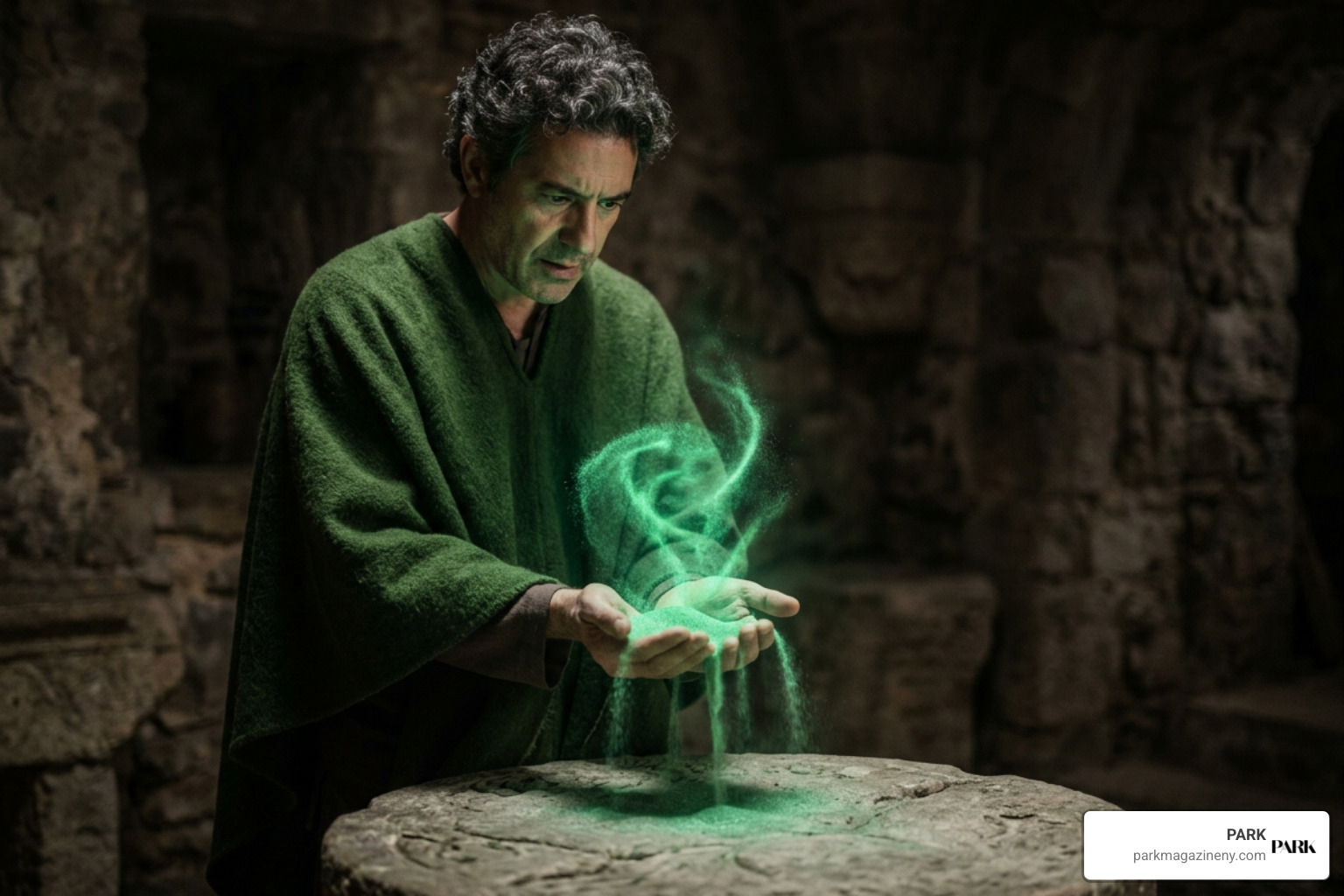
While Julieta received the power to heal physical ailments through her cooking and Pepa was gifted the ability to control weather through her shifting emotional states, Bruno was bestowed with precognition—the power of second sight.
| Madrigal Triplet | Magical Gift | Nature of Ability | Family & Community Perception |
|---|---|---|---|
| Julieta | Healing Cooking | Restorative, physical care | Revered as nurturing, dependable, and vital |
| Pepa | Emotional Weather Control | Atmospheric, expressive | Accommodated with caution to keep skies clear |
| Bruno | Precognition (Future Sight) | Cryptic, deterministic visions | Feared, ostracized, and blamed for negative events |
Bruno’s gift required a dedicated physical space and focused mental discipline. Ascending the towering stairs inside his mystical tower bedroom, he performed an elaborate sand-circle ritual: burning leaves, invoking energy, and focusing his glowing, emerald-green irises to summon swirling sandstorms that manifested fluid visions of future events. When a prophecy stabilized, it solidified into a fragile, physical pane of emerald-colored glass, capturing a shifting, holographic snapshot of what was to come.
Unfortunately, human nature often conflates the messenger with the message. When Bruno foresaw natural occurrences—such as a goldfish dying, someone losing their hair, or rain disrupting Pepa’s wedding day—the community and his own relatives accused him of causing those misfortunes rather than merely predicting them. As Abuela pushed the family to maintain a flawless public façade of strength and perfection, Bruno’s unpredictable, often inconvenient glimpses into reality transformed him into the household’s shunned black sheep.
The Secret Life Behind the Walls of Casa Madrigal
When his young niece Mirabel failed to receive a magical gift on her fifth birthday, Abuela asked Bruno to peer into the future to see why the magic was in jeopardy. What Bruno saw shocked him: an ambiguous vision alternating between Mirabel standing in front of a fractured Casita and Mirabel standing before a healed home. Knowing the family would villainize Mirabel just as they had villainized him, Bruno made the selfless decision to smash the glass vision slab and disappear into the shadows.
Rather than abandoning his family entirely, Bruno chose a quiet, ten-year self-imposed exile directly behind the walls of Casa Madrigal. Setting up a makeshift living space within the crawlspaces, he lived alongside pet rats, secretly patching structural cracks in the walls to preserve the home. To stave off deep loneliness, Bruno used his creative wit to stage elaborate rat telenovelas and carved an open viewing slot at the family dining table so he could still eat “with” them.
For a complete overview of his biographical arc, exploring a comprehensive Bruno Madrigal character biography details how his protective loyalty remained steadfast throughout this decade of isolation.
Designing the Look of Bruno Encanto Audiences Fell in Love With
The visual development of the eccentric prophet went through exhaustive research to honor authentic Colombian traditions while expressing his psychological state. Artists dressed Bruno in an emerald-green ruana—a traditional Colombian poncho—woven with intricate patterns reminiscent of ancient Quimbaya iconography and hourglass motifs symbolizing time.
The prominent use of emerald green served a deliberate double purpose: it paid homage to Colombia’s world-renowned emerald trade and visually reinforced the mystical, luminescent sand tablets created during his prophetic trance state. Combined with his expressive, tired eyes, untamed curly hair, and frayed hemline, the visual storytelling instantly communicated a character worn down by years of misunderstanding yet radiating warmth.
Psychological and Thematic Depth: Neurodivergence and Healing
Behind the vibrant animation, Encanto serves as a profound psychological case study of family dynamics, intergenerational trauma, and the damage caused by emotional suppression. The Madrigal household operates under strict, unspoken rules set by Abuela Alma, whose past displacement created an overwhelming fear of vulnerability. To keep the family safe, every member must project strength, utility, and perfection.
Bruno quickly became the receptacle for the family’s anxieties. When a system prioritizes public perception over authentic emotional truth, anyone who points out flaws or inevitable challenges is cast out. Bruno was not shunned because he was malicious; he was shunned because his visions shattered the illusion of total control.
The Psychology of Bruno Encanto Family Scapegoating and Mental Health
Therapists and mental health practitioners frequently reference Bruno when analyzing neurodivergence and family scapegoating. Bruno exhibits multiple behaviors commonly associated with sensory sensitivity, social anxiety, and obsessive-compulsive coping mechanisms. He relies on specific grounding rituals to manage an overstimulating world—such as knocking on wood, throwing salt over his shoulder, holding his breath, and carefully avoiding floor cracks.
Audiences within the neurodivergent community strongly connect with Bruno’s need for quiet, low-sensory safe spaces and his intense pattern recognition. When placed under pressure to conform to neurotypical family expectations, Bruno felt compelled to withdraw completely. Healing for the Madrigals begins only when they stop treating Bruno’s quirks and alternative perspectives as defects, moving instead toward genuine emotional validation and mutual support.
Prophetic Archetypes and Familial Reconciliation
From a narrative standpoint, Bruno embodies the classic rejected prophet archetype—a figure destined to speak uncomfortable truths to a community unready to hear them. The storyline contains powerful parallels to biblical and moral scapegoats who willingly take on the burdens, misunderstandings, and blame of their communities to protect the innocent.
Much like his father Pedro sacrificed his life at the river to secure safety for his wife and newborn triplets, Bruno sacrificed his reputation, comfort, and sanity within the walls to safeguard young Mirabel. The restoration of Casa Madrigal does not happen through grand displays of raw power; it happens through reconciliation, where the outcast is welcomed back to the center of the family table.
The Cultural Impact of Bruno Encanto and “We Don’t Talk About Bruno”
No one anticipated the massive cultural shockwave triggered by the film’s breakout ensemble song, penned by Lin-Manuel Miranda. While the Madrigals insist they avoid the subject, the entire musical number is dedicated to gossiping about his eerie predictions.

Blending traditional Colombian salsa and guajira rhythms with modern pop polyphony and Broadway structure, “We Don’t Talk About Bruno” delivers a layered narrative where each character shares their personal, biased memory of the enigmatic uncle.
The track’s infectious rhythm inspired viral trends across social media platforms worldwide, capturing the imagination of millions of viewers. Its enduring appeal has even translated to live performance stages in cultural hubs across the globe, including celebrated orchestral presentations like Disney’s Encanto In Concert – Jun 18–21 – New York Philharmonic, where New York audiences gather to experience the score live.
Anatomy of a Chart-Topping Disney Anthem
The commercial performance of the track made music industry history. In February 2022, “We Don’t Talk About Bruno” surpassed decades-old Disney records by claiming the No. 1 spot on the Billboard Hot 100, outperforming iconic predecessors like “Let It Go” and “A Whole New World.”

- Pepa and Félix’s Salsa Prologue: Sets the rhythmic Latin foundation while describing the chaotic wedding day downpour.
- Dolores’s Whispered Counter-Melody: Introduces acoustic subtleties and hints at hearing his footsteps in the walls.
- Camilo’s Theatrical Hyperbole: Dramatizes Bruno as a terrifying, seven-foot monster draped in rats.
- Townspeople’s Superstitious Chorus: Rapid-fire grievances detailing everyday misfortunes blamed on his foresight.
- Isabela and Mariano’s Melodic Contrast: Juxtaposes romantic prophecies against ominous warnings.
- Polyrhythmic Climax: Combines all character verses simultaneously, creating a rich vocal tapestry that mirrors family gossip.
John Leguizamo’s Voice Acting and Enduring Legacy
A massive share of Bruno’s charm stems from the voice performance of veteran actor John Leguizamo. Infusing the role with quick comedic timing, gentle vulnerability, and warmth, Leguizamo transformed what could have been a brooding recluse into an instantly endearing, lovable uncle. His vocal improvisation during the rat telenovela sequences added delightful eccentricities that resonated with fans of all ages.
Leguizamo earned widespread acclaim for the portrayal, collecting major award nominations across the industry. Bruno’s breakout status spawned an array of popular collectibles, from detailed vinyl statues to interactive items. Fans and collectors seeking character memorabilia often search for the POP! FUNKO – ENCANTO – BRUNO MADRIGAL figure, which captures his green ruana, timid posture, and pet rat companion.
Frequently Asked Questions About Bruno Madrigal
Why did Bruno hide in the walls of Casa Madrigal for ten years?
Bruno discovered a vision predicting the potential collapse of Casa Madrigal, with Mirabel standing at the center of the disaster. Recognizing that the family would blame Mirabel and ostracize her just as they had done to him, Bruno shattered the vision slab and withdrew behind the walls. By remaining inside Casita’s crawlspaces, he kept watch over his family and secretly patched cracks in the foundation while ensuring his niece stayed safe from familial judgment.
What is the exact nature of Bruno’s magical gift?
Bruno possesses the magical power of precognition, allowing him to perceive future events. Unlike passive daydreams, his visions require an open space and a sand-circle ritual with burning leaves to manifest fully. The visions appear as dynamic, swirling emerald sand domes that ultimately solidify into glass tablets. These tablets show potential and shifting outcomes rather than fixed, unchangeable fates, demonstrating that the future remains open to individual choices.
How old is Bruno Madrigal in the film?
Bruno is 50 years old during the events of Encanto. He is the youngest of the fraternal triplets born to Alma and Pedro Madrigal on October 17, alongside his older sisters Julieta and Pepa.
Conclusion
Bruno Madrigal’s journey from a feared, misunderstood outcast living in the shadows to a celebrated hero sits at the core of Encanto‘s lasting emotional power. His story reminds us that genuine family harmony is not built on maintaining superficial perfection or silencing inconvenient truths, but on offering unconditional acceptance, validating vulnerability, and making space for every unique voice.
As we explore stories of enduring cultural and artistic value, learning how cultural impact intersects with timeless quality helps us recognize truly lasting treasures. Discover our curated editorial on the ultimate luxury investments worth considering for sophisticated perspectives on culture, lifestyle, and heritage.