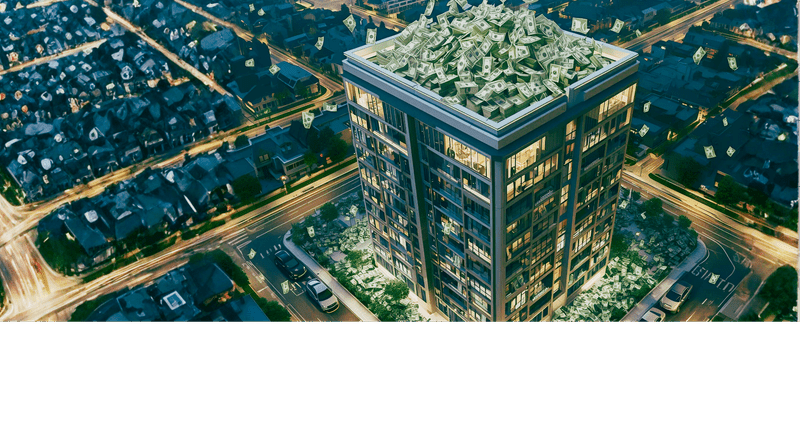
How Strategic Capital Improvements Protect Multifamily Property Value
Multifamily properties are long-term capital investments in Sacramento. Although they may not be the ideal setup for a single-family home, their popularity has increased since the 2008 recession. Now, one of the biggest challenges with multifamily properties is that their value is never guaranteed. It changes with the building’s age, operating costs, and amenities.
For owners and investors, the challenge is not just managing the property. If you look at the larger picture, owners also need to protect the asset’s value over time. Strategic capital improvements play a crucial role in accomplishing that goal. When done carefully, with the guidance of contractors such as the Good Life Construction team/company in Sacramento, these improvements can help extend the lifespan of your property. In the article below, we will look at what a multifamily property is and why strategic capital improvements to these properties are important.
How Does Multifamily Property Work?
A multifamily property is a residential real estate property that contains multiple separate housing units, such as a duplex, apartment building, or large apartment community. Usually, an investor purchases the property and rents out the different units to different tenants. Each property generates rental income, and the owner pays the operating expenses from that income.
Strategic capital improvements such as apartment renovations, better HVAC systems, energy-efficient appliances, and other improved amenities can improve the property’s value. This can, in turn, increase rents, decrease operating expenses, and improve occupancy.
Why Are Strategic Capital Improvements Important?
Strategic capital improvements increase the value of a multifamily property and reduce maintenance costs. Even if you plan to sell the property during probate, simple changes can make a big difference. Let us find out why capital investments are so important:
Supports a Higher Rental Income
The value of the property is linked directly to its rental income. When you prioritize strategic capital investments, you increase the property’s value, which can increase rental revenue. Strategic renovations allow an owner to achieve higher rents, improve occupancy, and attract a broader pool of potential residents. Some upgrades, such as modern kitchens, durable flooring, updated bathrooms, improved lighting, and energy-efficient appliances, are particularly effective.
However, the goal of strategic capital investments shouldn’t be to maximize rents. Improvements need to be calibrated to current market demand. These projects should always be planned with the property’s location and demand in mind. Investing too much in improvements can lead to capital expenditures that are difficult to recover.
Protects the Physical Asset
The physical assets in your multifamily property include the HVAC system, roof, plumbing, electrical infrastructure, windows, parking areas, and common areas. Delaying necessary improvements may save money in the short term but can later lead to expensive repairs.
Strategic capital investments allow owners to address aging systems before they become emergencies. For example, replacing the old roof, modernizing electrical infrastructure, or upgrading the HVAC equipment can prevent costly failures while protecting the underlying physical asset.
Helps Maintain Market Competitiveness
With the rise of multifamily properties all around Sacramento, your target audience most likely has a lot of options for where they wish to live. A property that was relevant ten years ago may not meet current needs. As new properties emerge in the market, the value of older properties may decrease.
Strategic capital improvements can close this gap and keep your property current and updated even after years. Some of the most popular improvements that today’s renters look for include improved lighting, upgraded fitness centers, separate areas for home offices, and shared community areas.
Decreases the Operating Costs
Strategic capital improvements can also decrease the property’s operating costs. Adding water-saving fixtures, improving insulation, installing smart building controls, and making other upgrades can reduce ongoing utility and maintenance expenses.
Lower operating expenses can improve net operating income (NOI). Because NOI is an important component of a multifamily valuation, even modest recurring savings can have a meaningful effect on the property’s financial performance.
Conclusion
Owners of multifamily properties need to prioritize strategic improvements if they want to increase rental income and overall value. These steps provide a way to protect both the physical asset and its financial performance, helping to increase the property’s long-term appeal.