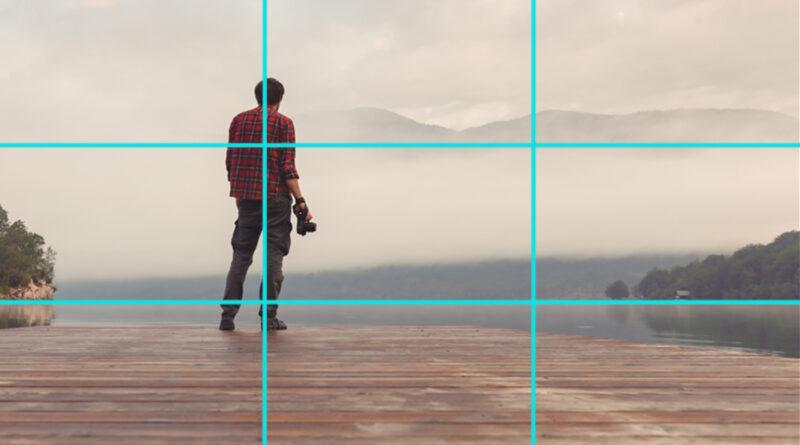
Magazine Features Need a Visual Angle Before They Become Short Videos
A magazine feature can carry atmosphere in ways a short video cannot. It can move slowly through a profile, pause over a quote, describe a room, explain a career turn, or let a cultural detail sit with the reader. A short video has less patience. It needs one clear angle before the visuals begin.
That is why the first question should not be, “Can this article become a video?” Most articles can, in some form. The better question is, “What should the viewer understand in the first few seconds, and what should still send them back to the story?”
For lifestyle, culture, arts, fashion, entertainment, and local-interest features, a video draft can be useful before final design or editing. It gives editors a way to test mood, pacing, and structure without pretending that a generated clip is the finished publication asset.
Start With the Article’s Strongest Visual Promise
Some features are built around a person. Others are built around a place, a performance, a collection, a business idea, a neighborhood change, or a cultural moment. The short video should not try to summarize every paragraph. It should choose the strongest promise and build around that.
A profile might focus on the contrast between public image and behind-the-scenes preparation. A restaurant piece might focus on mood, service rhythm, and the sense of arrival. A fashion or design story might focus on texture, color, and movement. A local event preview might focus on what the reader needs to know before deciding whether to go.
If the visual promise is unclear, the draft will usually become a montage. Montages can look polished, but they often say very little. A better draft has one job: help the editor decide whether the article has a clean visual entry point.
Use the Draft for Structure, Not for Proof
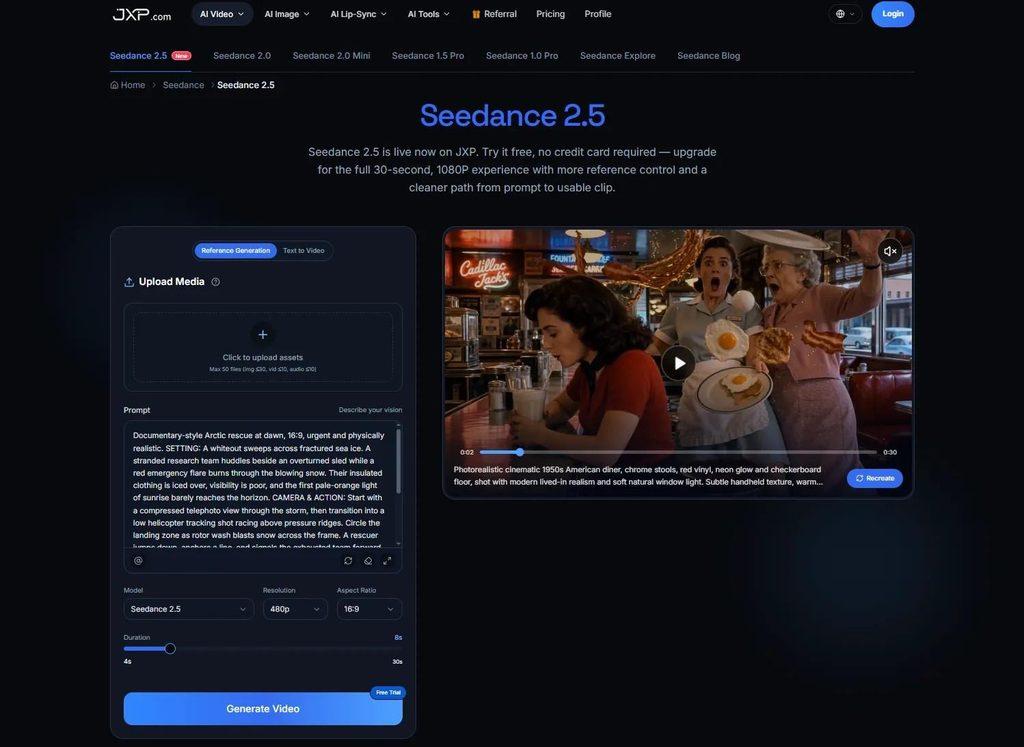
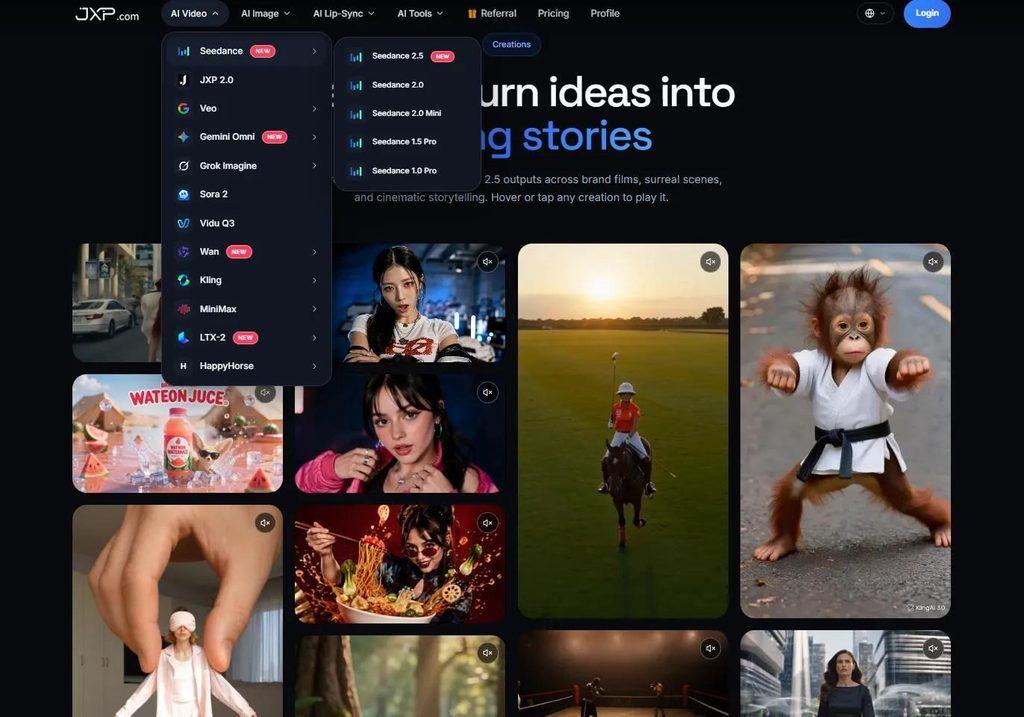
Used carefully, Seedance 2.5 can support the early planning stage for article-to-video concepts. The current JXP page describes Reference Generation and Text to Video workflows, reference-guided creation, selectable settings, and clips of up to 30 seconds. Editors should still confirm current output options, plan limits, upload rules, and usage terms inside the product before using a draft for publication or promotion.
The draft should not become evidence. It should not prove that an event looked a certain way, that a product performed as described, that a venue had a specific crowd, or that a public figure appeared in a scene. Magazine videos can be expressive, but the facts still come from reporting, verified images, official materials, interviews, and editorial records.
Pick One Short Sequence
A short video does not need to retell the whole article. It may only need a beginning, a middle, and a clean exit.
For a feature about a gallery opening, the opening might establish the room before the crowd arrives. The middle might show the intended viewing rhythm: a close look, a step back, a moment of conversation. The final frame might hold space for the article headline, event date, or read-more cue added later by the editor.
For a neighborhood dining story, the opening might show an exterior mood, the middle might suggest service movement, and the final frame might return to the written story for details. The generated draft does not need to show a real menu, exact pricing, or actual guests. Those details belong in verified editorial material.
For a style profile, the draft may help test color, pacing, and scene order. It should not attempt to recreate a real person’s likeness, personal wardrobe, private images, or unapproved brand assets. Final visuals involving identifiable people or protected materials should come from approved photography, footage, or properly cleared sources.
Keep Headlines, Names, and Dates Out of the Generated Scene
Magazine videos often rely on text: names, titles, dates, venues, quotes, credits, sponsor labels, captions, and calls to action. Those details need to be exact. They should normally stay editable until the final cut.
Generated text inside footage can drift, blur, misspell, or change between frames. That is awkward in any article. In a magazine feature, it can damage trust quickly. A misspelled artist name, wrong event date, incorrect title, or invented sponsor line is not a small visual flaw. It is an editorial error.
The draft can reserve space for text. It can show where a headline might sit or how long a quote card should stay on screen. The final words should come from the edited article, verified captions, approved promotional copy, or current official information.
Protect the Difference Between Atmosphere and Attribution
Culture writing often depends on atmosphere. A room can feel intimate. A performance can feel tense. A designer’s work can feel playful, restrained, nostalgic, or bold. Video can help test that feeling.
Attribution is different. The video should not imply that a person, venue, brand, publication, artist, filmmaker, designer, or public figure endorsed a project unless that relationship is real and documented. It should not imitate official campaign footage, studio trailers, album visuals, gallery assets, or fashion-house imagery in a way that confuses the source.
When the piece is sponsored, affiliate-supported, or part of a paid partnership, that relationship should remain clear in the final article and video. A polished visual should not make the commercial context harder to notice.
Let the Article Set the Boundaries
The article should decide what the video is allowed to say. If the story says a restaurant is “newly opened,” the video should not make it look like a long-established landmark unless that is part of the reporting. If the story says an event is planned, the video should not look like footage from an event that already happened. If a profile focuses on process, the video should not turn it into a luxury ad unless the article supports that tone.
Editors can keep a simple review note beside the draft: what the video is meant to show, what it must not imply, which claims need verification, which assets are cleared, and which text will be added later. That note keeps the draft from becoming more confident than the reporting.
A practical editorial video planning workflow can help teams catch these issues before final design, social formatting, or paid promotion.
Review the Draft Like a Reader
The final check should be plain. Would a reader understand the feature’s angle from the first few seconds? Does the clip make them more curious about the article? Does it leave enough room for the headline? Does it create any false impression about people, places, dates, products, events, or sponsorships?
The team should also check whether video is the right format at all. Some stories work better as a still image, quote card, carousel, map, or clean headline post. A video draft is useful when it helps editors make that decision earlier.
Magazine features do not need to become louder to become visual. They need a clearer angle, careful boundaries, and a rhythm that respects the original story. When the draft helps sharpen those choices, it has done its job.