How to Build a Reliable Solar Backup System?
Building a reliable solar backup system starts with a clear plan for keeping essential circuits running when the grid goes down. A strong setup combines solar panels, battery storage, and an inverter sized to your home’s actual needs rather than rough guesses. The goal is simple: store enough energy, deliver enough power, and recharge fast enough to handle short outages or longer disruptions. When each part is matched correctly, a solar backup system can power lights, refrigeration, communications, and other priority loads with greater stability, safety, and day-to-day usefulness.
Understand the Key Components of a Solar Backup System
Solar Panels Capture Energy for Backup Charging
Solar panels generate the electricity that charges your backup batteries during daylight hours. Their main job in a backup system is not just lowering utility bills, but replacing stored energy after an outage and extending runtime when sunlight is available. For homeowners comparing generator and solar power approaches, solar charging provides an additional way to maintain energy availability without depending only on stored reserves. Panel output depends on roof space, orientation, shading, and local sun hours, so realistic production estimates matter. A properly sized array helps the system recover quickly after overnight use and supports essential loads without relying entirely on battery reserves during extended blackouts.
Battery Storage Keeps Power Available During Outages
Battery storage is the heart of a solar backup system because it keeps electricity available when solar production stops or grid power fails. The battery must store enough energy to run essential appliances for the number of hours you expect to need backup. Capacity is measured in kilowatt-hours, while discharge capability affects how many devices can run at once. Choosing expandable storage can improve flexibility, letting homeowners start with critical loads and add more reserve later as needs or outage risks increase.
Inverters Convert Stored Energy Into Usable Power
The inverter turns the direct current stored in batteries and produced by solar panels into the alternating current most household appliances use. In a backup system, inverter capacity is critical because it determines how much power can be supplied at one time and how well the system handles startup surges from equipment like refrigerators or pumps. A quality inverter also manages switching during outages and coordinates charging sources. Reliable performance depends on matching inverter output with the real demands of protected circuits.
How to Plan a Solar Backup System for Your Home?
Calculate Your Essential Power Requirements
Start by listing the appliances and circuits you want to keep running during an outage, then note both their wattage and estimated daily hours of use. Focus on essentials such as refrigeration, lighting, internet equipment, medical devices, security systems, and selected outlets. Add the running watts to understand continuous demand, then identify larger surge loads that start motors or compressors. This simple load calculation shows whether you need a basic emergency backup setup or a larger system that supports more of your home.
Choose the Right Battery Capacity and Output Level
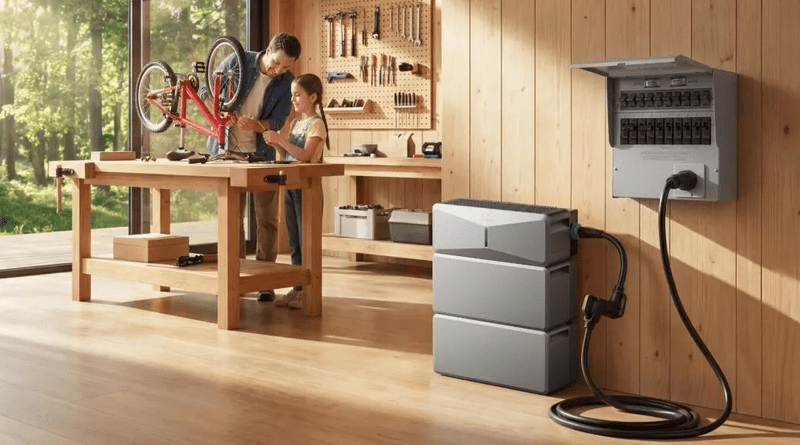
Battery sizing should cover both energy storage and power delivery. Energy capacity determines runtime, while output level determines what can run simultaneously without overloading the system. For homes that need flexible backup, expandable systems can offer a practical path. For example, the Anker SOLIX E10 provides 7.6 – 22.8kW rated output, 6-90kWh battery expandability, and 9-27kW solar input. Those ranges support anything from essential circuits to broader home backup, depending on the final system design and protected load list.
Match Solar Input With Your Backup Energy Goals
Solar input should be sized to recharge the battery bank within a useful timeframe while also supporting daytime household loads. If your goal is short-term outage protection, a modest array may be enough. If you want stronger resilience during multi-day blackouts, the array needs enough production to restore overnight battery use and cover daytime essentials. Matching solar input to battery capacity prevents slow recovery after cloudy weather or repeated outages. The best results come from balancing available roof space, sunlight, and expected emergency consumption.

Steps to Build a More Reliable Solar Backup Setup
Connect Solar Generation With Battery Storage
A reliable setup needs proper integration between the solar array, charge controls, battery bank, and inverter so energy flows efficiently and safely. The system should prioritize charging when solar production is available, while protecting batteries from overcharging, deep discharge, and unsafe operating conditions. Good design also includes correct wiring, overcurrent protection, disconnects, and transfer equipment for backup circuits. Whether installed in a new project or added to an existing solar system, smooth coordination between generation and storage is what makes backup power dependable.
Prioritize Important Appliances During Blackouts
Reliable backup does not mean powering everything at once. It means assigning battery power to the loads that matter most when the grid fails. Separate essential circuits from nonessential ones so the system supports refrigeration, communication, lighting, heating controls, garage access, or medical equipment before discretionary devices. This approach extends battery runtime and reduces the chance of overload during peak use. Load prioritization also makes system sizing more accurate, helping you spend money where it improves resilience instead of paying for rarely needed capacity.
Test and Maintain the System Regularly
Routine testing confirms that your solar backup system will perform when you actually need it. Run scheduled outage simulations to verify transfer operation, battery performance, inverter response, and the behavior of critical appliances under backup power. Inspect connections, review monitoring data, and check for error alerts, unusual temperature readings, or declining battery performance. Keep solar panels reasonably clean and free from new shading where possible. Regular maintenance helps catch small issues early, preserves system efficiency, and reduces the risk of failure during a real blackout.
Conclusion
A reliable solar backup system comes from matching the right components to the way your home uses electricity during an outage. Solar panels provide charging power, batteries store energy for later use, and the inverter delivers that energy in a form your appliances can use safely. When you calculate essential loads, size storage carefully, align solar input with recovery goals, and maintain the system regularly, backup power becomes far more dependable. The result is a practical, resilient setup that keeps critical parts of your home running when the grid does not.