Steam Sauna Manufacturers: What to Look for in a Quality Sauna
A sauna can be much more than a luxury addition to a home, hotel, gym, or wellness centre. When thoughtfully designed, it can create a dedicated space for relaxation, heat therapy, and everyday wellness. For businesses and homeowners considering a new installation, choosing the right steam sauna manufacturers is one of the most important decisions because the manufacturer influences the materials, technology, customization options, safety features, and long-term performance of the sauna.
Steam saunas combine heat and humidity to create a warm, relaxing environment. Unlike a traditional dry sauna, a steam-focused system introduces moisture into the room, creating a more humid experience that many people enjoy after exercise or as part of a wellness routine.
What Is a Steam Sauna?
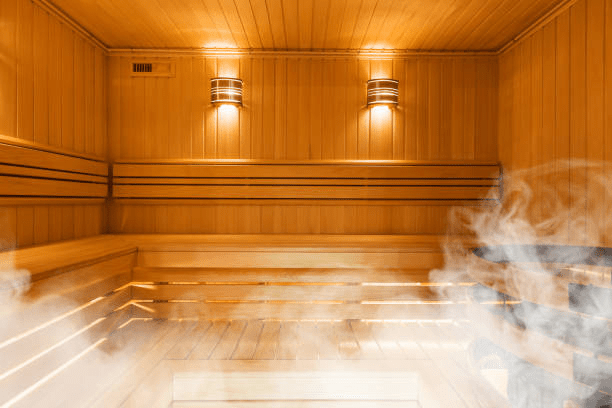
A steam sauna is designed to combine elevated temperatures with controlled humidity. A steam generator produces water vapour, while the sauna enclosure is constructed to handle heat and moisture.
The result is an environment that can feel different from a traditional dry sauna or infrared sauna. Depending on the design, users may experience a warm, humid atmosphere that encourages relaxation and makes the sauna suitable for residential and commercial wellness spaces.
Modern systems can also include features such as adjustable controls, lighting, audio systems, and other comfort-focused technologies. Smartmak, for example, describes its steam sauna range as a two-in-one solution that combines heat and humidity and offers additional options such as far-infrared therapy and chromotherapy lighting.
Why the Manufacturer Matters
Not all sauna manufacturers approach design and production in the same way. A sauna is a long-term investment, so purchasing based only on appearance or initial price can create problems later.
A reliable manufacturer should understand several elements of sauna construction, including:
- Wood selection and processing
- Insulation and room structure
- Steam generation
- Electrical components
- Temperature and humidity control
- Ventilation
- Safety systems
- Interior layout
- Commercial durability
- Installation requirements
Quality manufacturing can also make maintenance easier. Smartmak states that its steam sauna products use FSC-certified wood materials and premium electronic components designed to resist issues such as warping and mildew.
Key Features to Consider When Choosing a Steam Sauna
1. Quality Construction Materials
The materials used inside a sauna matter because the environment is exposed to heat and, in steam applications, significant moisture.
Look for manufacturers that clearly explain their material choices rather than simply describing a product as “premium.” Wood should be appropriately processed for the intended environment, while electrical and steam components should be selected with safety and durability in mind.
Good construction should also provide a comfortable interior and a structure capable of handling repeated use.
2. Reliable Steam Generation
The steam generator is one of the most important components of a steam sauna. It needs to produce steam efficiently while maintaining consistent performance.
A quality system should provide practical controls for managing the sauna experience. Smartmak highlights high-performance steam generators designed for quick heating, consistent humidity, and energy efficiency.
For commercial installations, generator performance becomes even more important because the equipment may be used repeatedly throughout the day.
3. Safety Features
Heat and electricity require careful engineering, particularly when water and steam are involved.
When comparing steam sauna manufacturers, ask about safety features such as overheat protection, child-resistant controls, electrical protection, appropriate certifications, and system testing.
Smartmak’s steam sauna range highlights features including overheat protection, child-proof controls, and CE/ETL-certified steam systems.
Always ensure that the final installation follows applicable local electrical, building, ventilation, and safety requirements.
4. Customization Options
A sauna for a private home has very different requirements from one designed for a hotel, gym, spa, or property development.
Customization may involve:
- Number of users
- Indoor or outdoor placement
- Room dimensions
- Wood type
- Seating arrangement
- Lighting
- Audio
- Steam controls
- Exterior finish
- Energy-management features
Smartmak offers customization covering materials, space and structural design, aesthetics, functional modules, and energy-management considerations.
This flexibility can be particularly useful for architects, developers, hospitality businesses, and wellness brands working with specific project requirements.
Steam Saunas for Homes and Lifestyle Spaces
Home wellness has become an increasingly attractive concept for people who want relaxation without regularly visiting a spa.
A compact steam sauna can be incorporated into a bathroom, dedicated wellness room, basement, pool area, or other suitable space. However, homeowners should consider more than the sauna’s dimensions.
The surrounding room needs to accommodate the equipment, electrical requirements, moisture management, ventilation, access, and installation process. Planning these details before purchasing can help prevent expensive modifications later.
For smaller homes, compact or one- to two-person designs can make a private sauna more practical. Larger properties may have enough space for multi-person units or a complete home wellness area.
Commercial Applications
Steam saunas can also be valuable additions to commercial properties.
Hotels and resorts can use sauna facilities as part of a premium wellness experience. Gyms and fitness centres may incorporate them into recovery and relaxation areas, while spas can use them as part of broader treatment and wellness offerings.
Property developers can also consider sauna facilities when designing higher-end residential developments. A well-designed wellness area can contribute to the overall lifestyle appeal of a property.
According to Smartmak, its sauna solutions are designed for applications including hotels and resorts, gyms and spas, medical and rehabilitation facilities, property developers, corporate wellness spaces, and private users.
Traditional, Infrared, or Steam Sauna?
Choosing the right type depends on the intended experience.
Traditional saunas generally use a heater to warm the room and can provide a hot environment with relatively lower humidity.
Infrared saunas use infrared energy to heat the body directly rather than relying entirely on heating the surrounding air.
Steam saunas place greater emphasis on humidity by introducing steam into the enclosed environment.
None of these options is automatically the best for every user. The right choice depends on personal preference, available space, installation requirements, budget, and the intended application.
How to Evaluate Steam Sauna Manufacturers
Before placing an order, ask manufacturers several practical questions:
What customization is available?
Find out whether dimensions, materials, controls, seating, lighting, and other features can be modified.
What certifications are available?
Ask for documentation relevant to your market and installation requirements.
How is quality controlled?
A manufacturer should be able to explain its production and testing processes.
What support is provided after purchase?
Installation guidance, warranties, replacement parts, and technical support can become important after the sale.
Can the manufacturer handle commercial orders?
Businesses should check production capacity, lead times, packaging, shipping, and consistency between units.
Smartmak says it provides factory-direct and turnkey solutions, supports full customization, and offers certifications including GS, CE, ETL, SASO, SAA, FSC, and RoHS.
Why Customization Is Becoming More Important
A one-size-fits-all sauna may work for some users, but customized manufacturing can provide a better fit for projects with unusual dimensions or specific branding requirements.
For example, a hotel may want a particular wood finish that matches its interior design. A gym may need a durable multi-user configuration, while a homeowner may prefer a compact sauna with integrated lighting and audio.
For distributors and sauna brands, OEM manufacturing can also provide opportunities to develop products under their own branding. Smartmak specifically describes OEM services, bulk pricing, and end-to-end support for sauna brands and distributors.
Making the Right Investment
The cheapest sauna is not necessarily the most economical option over its lifetime. A low purchase price can become less attractive if the unit requires frequent repairs, has poor insulation, consumes excessive energy, or lacks dependable after-sales support.
Instead, consider the complete value of the product:
- Construction quality
- Equipment reliability
- Energy efficiency
- Safety
- Customization
- Warranty
- Spare parts
- Technical support
- Installation requirements
- Expected frequency of use
This broader approach makes it easier to compare manufacturers based on long-term value rather than price alone.
Final Thoughts
A steam sauna can bring together wellness, comfort, and modern lifestyle design in one space. Whether it is being installed in a private residence, hotel, gym, spa, or property development, the quality of the finished experience depends heavily on the equipment and the manufacturer behind it.
When researching steam sauna manufacturers, focus on construction quality, reliable steam technology, safety, customization, certifications, and after-sales support. These factors can help you choose a sauna that is not only attractive when new but also practical and dependable over years of use.
For buyers interested in customized sauna solutions, Smartmak provides a range of steam, infrared, home, outdoor, and portable sauna products, with customization options for different residential and commercial applications.