How Digital Entry Systems Can Support Safer Buildings
Introduction
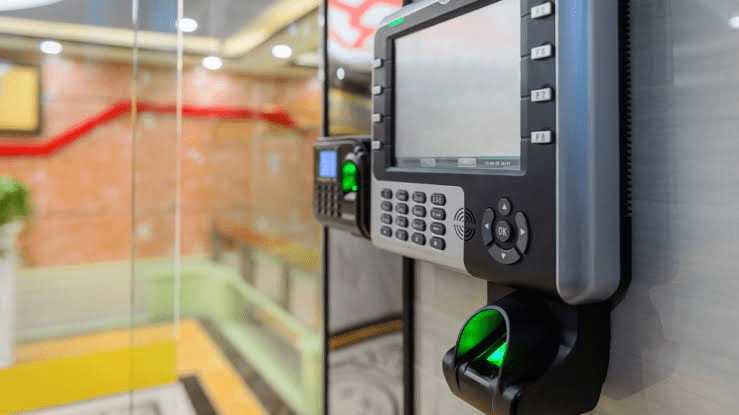
Building security is no longer only about strong doors and traditional keys. Modern buildings often have many people coming and going, making it important to know who can enter different areas. Offices, apartment buildings, schools, and shared properties can all benefit from better ways to manage entry. Access control technology can help property owners control access to important areas while making daily entry more convenient. These systems can use keycards, fobs, codes, smartphones, or other tools instead of relying only on physical keys. When planned carefully, digital entry can become an important part of a wider building security plan.
Why Digital Entry Matters
Traditional keys can work well, but they may create problems when many people need access to the same building. Keys can be lost, copied, or given to someone who should not have them. Changing locks after a key is lost can also take time and add extra costs. Digital systems offer another way to manage access. Property managers can give approved people specific entry permissions and remove those permissions when they are no longer needed. This can make it easier to manage staff, residents, contractors, and visitors.
Digital entry can also provide better control over different parts of a property. For example, an employee may need access to an office but not a storage room. A resident may need access to the main entrance and parking area but not a maintenance room. Setting different permissions can help limit access to private spaces.
Choosing the Right Entry System
Not every building needs the same security setup. A small office may need a simple keypad, while a large apartment building may need keycards, electronic locks, and visitor controls. The size of the property, number of users, daily traffic, and type of building should all be considered before choosing a system.
Improve Security at Different Entry Points
A building may have several doors that need different levels of protection. The main entrance may have regular traffic, while a back door, office, storage room, or equipment area may need tighter control. A good access plan considers each point separately instead of treating every door in the same way.
Modern entry solutions can help property managers create different access levels for different areas. For example, staff members can be given access to work areas, while visitors may only be allowed into public spaces. This simple separation can reduce unwanted movement inside the building and make private areas easier to protect.
Make Visitor Access Safer
Visitors are another important part of building security. A property may receive guests, delivery workers, repair teams, or temporary staff throughout the day. Giving every visitor a permanent key can create unnecessary risks.
Digital entry systems can support temporary access in some settings. A property manager may provide access for a limited period or allow a visitor to enter only certain areas. Intercom systems can also help staff confirm who is requesting entry before allowing access.
Connect Entry With Other Security Measures
Access control works best when it is part of a wider security plan. Good lighting, cameras, strong doors, working locks, and clear signs can all support safer entry. Cameras can help monitor important doors, while proper lighting can make entrances easier to see at night.
Building maintenance also matters. A damaged door or broken entry device can weaken an otherwise strong security system. Regular checks can help identify problems before they become serious.
Keep Systems Easy to Use
A security system should protect a building without making everyday life difficult. If an entry system is confusing or unreliable, people may look for ways around it. Clear instructions and simple access methods can encourage people to use the system correctly.
Property managers should also make sure that approved users understand basic entry rules. Lost cards, forgotten codes, and unusual access problems should have a clear process for reporting and resolving them. Regular reviews can also show whether access permissions still match the needs of residents, employees, or other users.
Plan for Future Needs
Building needs can change over time. A business may hire more employees, an apartment building may gain new residents, or a property may add new doors. Choosing a system that can support future changes can prevent the need for a complete replacement later.
It is also useful to review access permissions regularly. Removing old permissions can be just as important as giving new ones. When an employee leaves or a contractor finishes a project, access should be reviewed and changed when necessary.
Building a Safer Space
Digital entry systems can give buildings better control over who enters and which areas they can access. When combined with strong doors, good lighting, cameras, and regular maintenance, they can support a safer and more organized property. The best system is one that matches the building’s needs, remains easy to use, and can adapt as those needs change.