How Immersive Exhibitions Worldwide Are Shaping Contemporary Culture
The evolution of immersive exhibitions has changed the way in which people experience creative work by making them active participants in the events instead of just spectators. Instead of being mere spectators who look at paintings or sculptures, the viewers become part of the environment that is created and interact with their multiple senses. Museums, galleries, and creative spaces all over the world have taken up new technological means along with artistic processes for designing unique cultural experiences. These exhibitions are attracting tourists, families, students, and art lovers in huge numbers as they promise an interesting combination of fun and learning experiences. The six trends that follow describe how these exhibitions have been shaping modern culture.
Encouraging Active Participation Instead of Passive Viewing
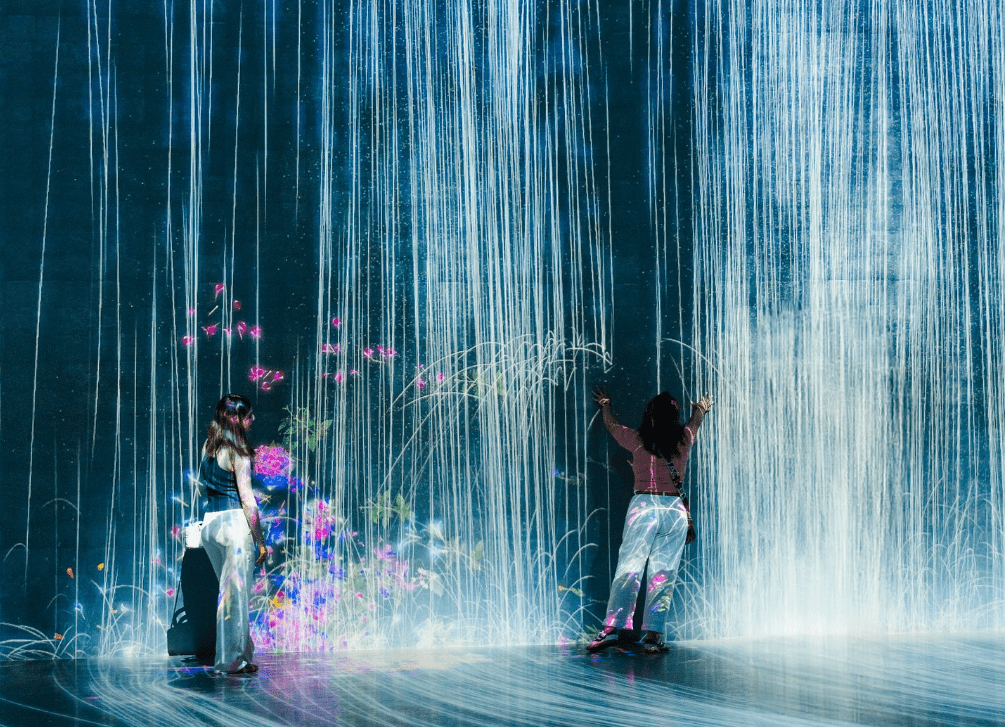
While conventional art shows are normally conducive to silent contemplation, immersive exhibitions allow the public to participate and become an integral part of the artistic process. Visitors get to interact with computer projections, lighting systems, motion detection sensors, and sound systems that are triggered by movement and the presence of people. Such a development is a step towards altering the dynamic between artist and spectator, as each exhibition experience will be unique based on the choices made by individuals.
Participants in such exhibitions develop more emotional links with the art because of the fact that they are not mere spectators of the artistic process anymore, but active participants in the process, creating their own memories. Artists, on the other hand, are also able to benefit from immediate feedback provided by the audience through active participation in the artistic process.
Expanding Access Through Technology
Through technological innovations, immersion is more convenient and available than ever. High-definition projections, virtual reality, augmented reality, and interactive mapping enable creators to tell stories using media that is suitable to any audience irrespective of age or previous artistic experience. Digital technologies make understanding complicated concepts easier through the creation of captivating visual experiences.
Moreover, institutions utilize digital technologies not only to reach more people but to go beyond their physical space. By creating an online component, virtual tours, and other means of education, one can engage in exhibitions without traveling while simultaneously encouraging the need for future visits. Technologies do not replace classical forms of art; on the contrary, they supplement them. This balance between innovation and creativity encourages cultural organizations to experiment boldly while maintaining meaningful artistic expression that resonates across different communities.
Inspiring Interactive Art Installations
Destinations like Florida have evolved into an intriguing place for interactive art, presenting visitors the chance to participate in installations where technology, storytelling, and design come together. The citizens and tourists of Florida are becoming familiar with exhibitions where vibrant projections, responsive settings, and imaginative exhibits beckon them to participate in an adventure instead of simply observing.
Anyone searching for a stunning immersive experience in Miami that blends visual creativity with audience participation can discover installations designed to spark curiosity while celebrating contemporary artistic innovation. These experiences demonstrate how interactive art can strengthen cultural tourism, inspire local creators, and introduce new generations to engaging forms of artistic expression through memorable shared experiences.
Revitalizing Local Creative Communities
Experiential exhibitions become cultural beacons which spur local artistic communities into action. Immersive exhibitions entail cooperation between visual artists, designers, architects, programmers, musicians, and engineers, which helps reinforce creative industries and promotes cross-disciplinary innovation not limited to exhibitions alone.
The cities where experiential exhibitions take place attract visitors who are interested in culture. Not only do restaurants and businesses surrounding the exhibitions get more customers, but education is promoted by means of collaboration between exhibitions’ creators and local schools and universities, which arrange special programs for the students to learn about creative professions. As a result, immersive art supports cultural development while inspiring emerging talent to pursue new forms of artistic expression that blend creativity with technology.
Influencing the Future of Creative Expression
Immersive exhibitions keep setting new standards in terms of what people expect from art, entertainment, and participation. More and more artists employ such technologies as artificial intelligence, generative design, spatial audio, and responsive environments to create an experience that keeps changing and developing, not staying constant. Such adaptability gives a chance to maintain the freshness of the exhibition even for repeat visitors.
Creative spaces in the future might not differ much from museums, concert halls, learning institutions, and even digital spaces. People are already getting used to participating and exploring rather than passively consuming experiences. And with innovations coming forward, immersive exhibitions will definitely be considered one of the most important tools of experimentation both for creators and society.
Immersive installations go well beyond mere forms of entertainment; they signify an important step forward in terms of the dynamic between art and the public. Experiential art’s reach is not limited to exhibition spaces; it serves as inspiration to the fields of education, tourism, and art, and promotes a sense of engagement with both concepts and one another. The potential of interactive creativity is something worth looking forward to in the future.