Sleek, Sunlit, and Sustainable: The Future of Modern Modular Homes
For decades, factory-built housing had a reputation for being cheaply made and quick to depreciate. Today, that outdated image could not be further from reality. Modern modular homes are luxury residential spaces built to strict local building codes, offering the same structural integrity as any house built directly on a plot of land.
The housing industry is undergoing a massive evolution. Modern modular construction provides a sleek, sustainable, and highly cost-effective alternative to traditional site-built homes. Buyers no longer have to choose between a beautiful aesthetic and an affordable price tag. Factory construction combines the best of both worlds, offering high-end design with incredible efficiency.
This shift is not just a passing trend. Mainstream acceptance of off-site construction is rapidly accelerating across the globe. Industry data shows that the global modular construction market is projected to grow from USD 111.1 billion in 2025 to USD 207.8 billion by 2033. Homeowners are waking up to the benefits of precision engineering, and the real estate market will never be the same.
Defining the Modern Modular Home
To understand the appeal of this housing evolution, we first need to define what a modular home actually is. In simple terms, a modular home is a house built off-site inside a climate-controlled factory setting. These structures are built to the exact same state and local residential building codes as traditional site-built houses. Once the building modules are complete, they are safely transported to your property and installed onto a permanent foundation.
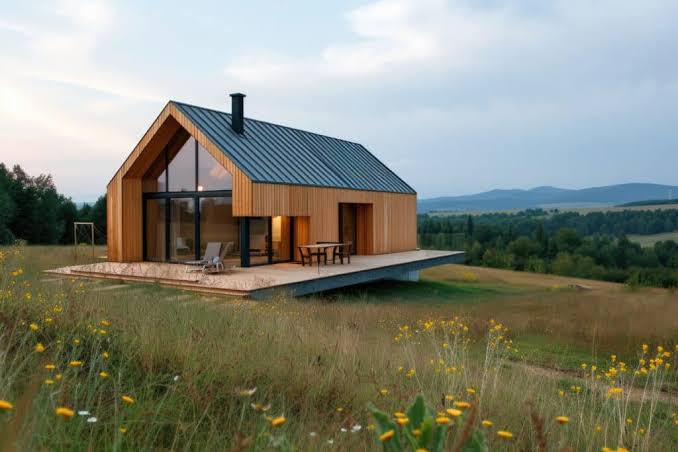
Today’s modular designs are built for the modern homeowner. They achieve a sleek and sunlit aesthetic that rivals high-end custom builds. You will frequently find striking exterior facades, spacious open-concept layouts, and large, energy-efficient windows that flood the living spaces with natural light. The days of dark, cramped, cookie-cutter floor plans are long gone.
Shopping for a new house has also become much easier. The modular industry embraces digital convenience, allowing buyers to take 3D virtual tours and browse online floor plans from the comfort of their couches. You can clearly visualize your future space before you ever make a commitment.
Every homebuyer approaches the search with a different budget, which is why transparent pricing is just as valuable as flexible floor plans. Exploring modular homes with prices gives buyers a practical way to compare options before taking the next step.
The Environmental and Economic Edge
Eco-conscious buyers frequently ask if building a home in a factory is better for the planet. The answer is a resounding yes. Factory-built housing provides distinct environmental and financial advantages that traditional construction simply cannot match.
The Sustainability Factor
Building inside a climate-controlled factory minimizes material waste on a massive scale. When a house is framed outdoors, the lumber and supplies are constantly exposed to rain, wind, and snow. This exposure leads to damaged materials that inevitably end up in a landfill. In a factory setting, every piece of lumber is protected, and precise machine cuts ensure that excess materials are recycled or used in future builds.
Modern modular homes also excel in energy efficiency. Because these homes must withstand highway travel to reach their destination, factories build them with incredibly tight building envelopes. This tight seal, combined with upgraded insulation options, prevents heating and cooling loss. The result is a comfortable home that requires less energy to maintain, lowering your monthly utility bills.
Research on modular construction has documented meaningful reductions in build time and material waste compared to traditional methods. Dr. Renuka Thakore, a lecturer in environment and sustainability at the University of Central Lancashire, called modular housing a “game-changer for a greener future,” noting that factory-controlled environments minimize waste by reducing construction errors and excess materials.
Factory-Direct Cost Savings
Beyond the environmental benefits, modular construction offers significant financial advantages. When you build a traditional house, the general contractor typically buys materials from local suppliers, adding a markup at every step of the supply chain. Buying directly from a factory-direct provider removes that layered markup structure entirely.
This direct-to-consumer model allows you to purchase high-quality materials at volume-discounted prices. More importantly, it provides a level of financial transparency that the housing market desperately needs. Historically, the manufactured home industry struggled with “shifty pricing,” where buyers were hit with surprise fees right before closing.
Today’s reputable modular providers use transparent upfront pricing. You know exactly what your home will cost before construction begins. Best of all, these factory-direct savings do not come at the cost of durability or quality. You get a beautifully crafted home that respects your budget.
From Floor Plan to Foundation
Even with a faster timeline and clear pricing, the logistics of building a new home can feel intimidating. Many buyers worry about the rules of land prep, zoning, and installation. Fortunately, the modern modular process is designed to demystify these steps and provide dedicated support.
Customizing Your Space
Choosing a factory-built home does not mean sacrificing your personal style or lifestyle needs. Modern modular spaces offer an incredible amount of flexibility. You have the ability to alter spatial layouts to fit your family, whether that means expanding a primary bedroom or removing a wall to create a massive kitchen island.
Buyers can also choose specific interior finishes, selecting everything from modern cabinetry styles to luxury plumbing fixtures. These design choices are finalized upfront before the factory starts building. This prevents the costly mid-construction change orders that frequently inflate the budgets of traditional home builds.
When customizing your space, prioritize features that enhance the sleek and sunlit theme. Opting for larger windows, lighter paint profiles, and open sightlines will give your new home an expansive, welcoming feel that maximizes natural light.
Conclusion
Modern modular spaces successfully combine the luxury of traditional homes with the speed and sustainability of the future. What was once seen as cheaply built factory housing has become a sophisticated building method that respects both your budget and the environment.
By choosing an off-site build, you unlock a powerful trifecta of benefits. You receive a beautifully designed home characterized by sleek lines and sunlit rooms. You participate in environmental responsibility by reducing construction waste and lowering carbon emissions. Finally, you enjoy a seamless, stress-free process thanks to parallel construction and transparent pricing.