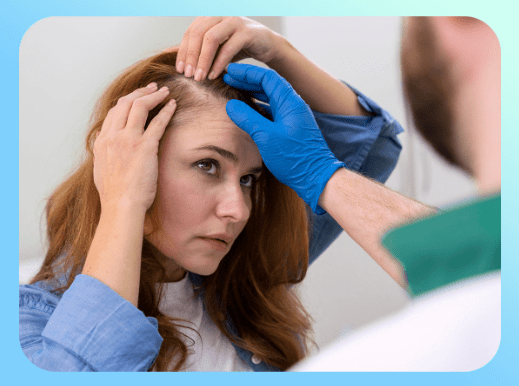
Hair Loss Treatment Planning: How To Compare Surgical And Non-Surgical Options
Table Of Contents
- Why Planning Matters
- Finding The Cause
- Non-Surgical Options
- FUE and FUT Explained
- Comparing FUE and FUT
- Recovery, Results, And Cost
- Final Thoughts
Why A Hair Loss Treatment Plan Matters
An effective approach to hair loss treatment starts with recognizing the reasons behind thinning hair and the pace of changes in hair loss pattern. People interested in hair transplants at Dauer Hair Restoration or other health providers should understand that a consultation is a chance to make a long-term plan and not just a quick purchase.
An effective method may include watching one’s condition, taking drugs, changing one’s lifestyle, surgery, or several of these ways. Hair follicles that are transplanted only help increase density in certain areas but can’t counteract eventual thinning of the original hair. An effective method preserves donor hair and assesses the risk of future hair loss to prevent an unnatural hairline.
Start By Finding The Cause
Progressive thinning of the hair, sudden loss, bald patches on your head, and scalp irritation can indicate different underlying problems. The clinician will take into account the family history, recent illness, stress levels, diet, medications, hormonal changes, hair-care practices, and scalp health. Depending on the situation, examinations, blood tests, the hair pull test, or scalp biopsy may be required for the diagnosis. A useful overview of this process is available through Mayo Clinic’s hair loss diagnosis and treatment guidance.
Take hair loss symptoms such as pain, itching, scaling, inflammation, or abrupt worsening seriously. A cosmetic solution may not suffice in treating the ongoing medical condition.
Non-Surgical Hair Loss Options
Individuals who are starting to lose hair can have access to non-surgical forms of treatment as a preliminary measure, thus preventing any more hair loss before they undergo the surgical operation. In addition to the individual’s condition, frequency of the treatment use, the results are also influenced by its effectiveness for the patient.
- Minoxidil: Can be found in topical forms and in the form of prescription oral medicine in some instances. In order to maintain results of the treatment, the minimum requirement is to undergo the treatment on a continuous basis.
- Finasteride: Can be used when prescribed; may be effective for men with baldness. It is necessary to consult with a doctor about suitability of treatment and possible side effects.
- Spironolactone: Can be recommended for some women, if indicated.
- Low-level light therapy: Can be used as a treatment for hair loss; however, results and evidence of effectiveness might vary.
- Platelet-rich plasma: There are many protocols and types of treatment, which differ widely among clinics.
- Hair pieces and hair styling: Non-medicinal options allow patients to achieve instant effect without surgery.
Supplements cannot replace diagnosis. They may have a positive influence on health when a deficiency was identified, while high doses of supplements without need can have serious effects on health.
FUE and FUT Explained
Hair transplant surgery involves collecting hair follicles from parts of the scalp that are more likely to be able to give donor hair, usually the back or the sides of the head. The hair follicle harvesting process is not the same in follicular unit extraction and in follicular unit transplantation.
Follicular Unit Extraction or FUE
In this procedure, the area from which hair follicles will be removed is small holes created which are known as perforations, and as such there are no major cuts involved though small marks are created; if a person has long hair and if the healing of the patient takes a long time, the scars can easily be noticed.
Follicular Unit Transplantation or FUT
FUT is a technique that consists of taking a piece of scalp and then separating it into different parts for future grafting. The area from where the hair was cut is sewn in, which gives rise to a noticeable scar on the surface of the scalp. In some cases, it is possible to produce a greater number of hair grafts; however, the FUT procedure does involve some negative consequences on the donor site that the person must learn to live with.
How to Compare FUE and FUT
Rather than stating that one particular method is the best, we can compare the practical issues each has with the following:
• Donor removal: In FUE hair transplant method, the donor hair is taken out one hair unit at a time, while the FUT method does a strip removal from the back of the head that is dissected in hair grafts.
• Scar pattern: FUE leaves several small scars, whereas FUT creates one long scar.
• Short hair styles: While FUE can be used to cut short hair, its scars will not be conspicuous; FUT scars, however, depend on healing.
• Large sessions: It is easier to use FUT for patients requiring many grafts at once, since FUE is time-consuming.
• Donor limitation: In the case of FUE hair restoration treatment, there is always a problem of overharvesting on the scalp, while FUT patients should remember about the scalp laxity and linear scarring issues.
Good graft handling, natural hairline design, qualified medical supervision, and serious planning of future donor area are often more important than the name of the method.
Recovery, Results, And Cost Planning
After surgery has been performed, patients will notice some redness, swelling, sensitivity, and crusty scabs. Shedding of hair is common too within the immediate weeks after surgery. Although hair starts growing back within the following months after a procedure, people usually see better results in around six to twelve months post-surgery. Changes in the thickness and quality of hair can also continue after a year or more.
When figuring out the total cost of the plan, be sure to consider everything included in the treatment: consultations, tests, procedures, medicines, follow-up appointments, recovery period, and possible future procedures that may be required. The cost of one graft does not provide sufficient information about the degree of medical care and quality of long-term program creation.
Final Thoughts
Treatment for hair restoration is usually considered a long-term process. This may involve medical treatment, ongoing monitoring, as well as surgery or a combination of different approaches. Having a proper diagnosis, being aware of expectations and creating a plan that keeps future hair loss possibilities and the limited number of available donor supply in mind can help patients make the best choice.