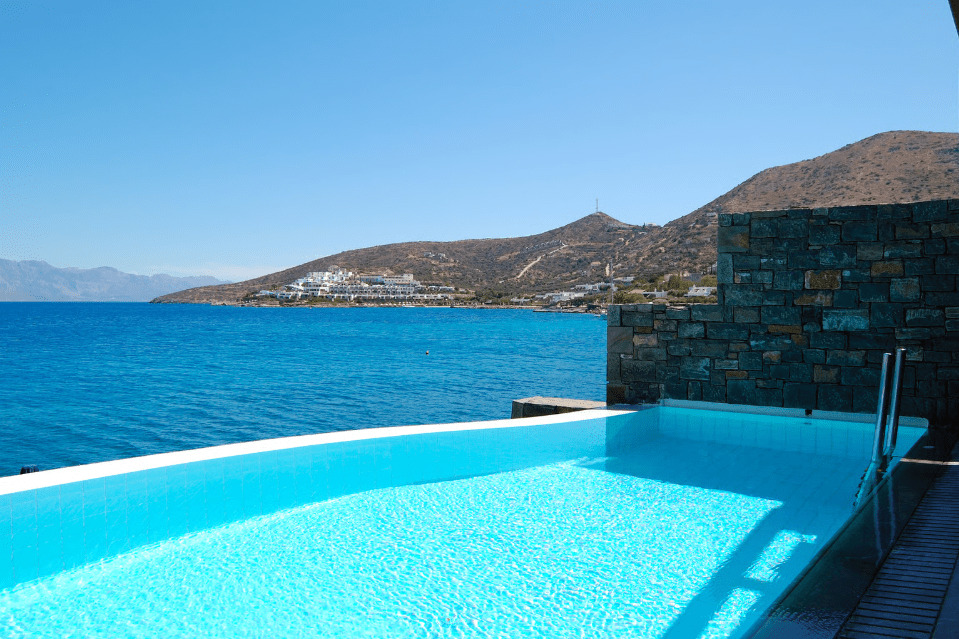
Where Contemporary Luxury Meets Mediterranean Living
Contemporary luxury meets Mediterranean living through a travel style built around exceptional design, striking locations, and a personalized experience rather than a standard hotel stay. Contemporary luxury meets Mediterranean living inside villas and estates where architecture, coastline, and daily service combine into a single environment suited to an extended vacation. Whitewashed walls, open terraces, and infinity pools now define a segment of travel once reserved for a handful of private homeowners.
Premium accommodations continue moving toward the center of modern destination living, driven by demand for privacy and a residence built around a specific place. A villa positioned along a cliffside or a private cove offers a stay shaped by its setting, rather than a room interchangeable with one in another city. Coastal luxury, paired with Mediterranean design, keeps expanding as travelers seek a home rather than a hotel for a signature trip.
Why Are Oceanfront Destinations Defining Luxury Travel Today?
Oceanfront destinations are defining luxury travel today, since coastal scenery, exclusivity, wellness, and privacy align closely with what affluent travelers now prioritize on a trip. A villa positioned along open water offers a view unmatched by a property set inland, turning scenery into part of daily life rather than a single scheduled excursion. Exclusivity strengthens the appeal further, since a private stretch of coastline limits access compared with a public beach shared among hotel guests. Wellness routines factor into the pattern as well, since seaside settings support morning swims, outdoor fitness space, and quiet surroundings suited to rest. Privacy rounds out the draw, letting a group occupy an entire coastal property without encountering guests from another party. Oceanfront settings continue drawing luxury travelers precisely because scenery, seclusion, and daily well-being come packaged into one location.
Which Features Create an Exceptional Coastal Retreat?
Features of an exceptional coastal retreat are listed below.
- Panoramic Views: Panoramic views frame open water or coastline from multiple rooms across a property. A residence positioned along a ridge or bluff extends the view across nearly every window.
- Outdoor Living Spaces: Outdoor living spaces extend a home past its interior walls through terraces, patios, and shaded seating areas. Guests spend meals and evenings outside a main structure rather than confined to indoor rooms.
- Infinity Pools: Infinity pools erase the visual boundary between a pool’s edge and the surrounding sea. Cliffside properties position the feature to align directly with an open horizon.
- Private Beach Access: Private beach access gives a property a direct path to a stretch of coastline separated from public crowds. A gated walkway or private stair typically connects a residence straight to the water.
- Contemporary Architecture: Contemporary architecture pairs clean structural lines with natural materials suited to a coastal setting. Stone, timber, and glass appear together across a well-designed retreat.
- Wellness Amenities: Wellness amenities include private gyms, spa rooms, or dedicated yoga decks positioned near open air. A retreat built around wellness keeps a routine intact through a full stay.
- Concierge Services: Concierge services arrange transportation, reservations, and daily plans on a guest’s behalf. A strong concierge team distinguishes a retreat from a self-managed rental property.
How Does Oceanfront Living Enhance the Luxury Travel Experience?
Oceanfront living enhances the luxury travel experience by placing uninterrupted sea views, quiet surroundings, and seamless indoor-outdoor space at the center of a stay. A guest waking inside a coastal villa steps directly from a bedroom onto a terrace facing open water, without a hallway or lobby separating the two spaces. Sliding walls and open floor plans carry that connection through common rooms, keeping a coastal setting visible from nearly every angle inside a property. Tranquil surroundings shape the experience further, since a coastal retreat typically sits apart from dense town centers or crowded resort strips. A stay built around open water and quiet air creates a more immersive experience than a hotel room facing a parking lot or a shared pool deck. Oceanfront living, through view and layout together, turns a vacation into an experience tied directly to its setting.
How Is Architectural Design Elevating Premium Vacation Homes?
Architectural design is elevating premium vacation homes through modern structural choices, sustainable materials, and layouts built around natural light and landscape. A residence built with floor-to-ceiling glass draws surrounding scenery directly into an interior room, reducing separation between indoor and outdoor space. Sustainable materials (reclaimed wood, local stone, low-impact concrete) tie a property to its region while reducing a longer-term environmental footprint. Open layouts remove interior walls that once divided a home into separate rooms, replacing them with a continuous living space suited to gathering. Natural lighting fills a residence through large windows or skylights, cutting reliance on artificial light during daytime hours. Landscape integration ties a property’s design directly to its surrounding terrain, positioning a home to complement a hillside or coastline rather than compete with it.
What Architectural Elements Define High-End Coastal Villas?
Architectural elements that define high-end coastal villas are shown in the table below.
| Element | Role in the Villa | Guest Priority Level |
| Floor-to-Ceiling Windows | Draws coastal scenery directly into interior rooms | High |
| Minimalist Interiors | Keeps furnishings and decor uncluttered, emphasizing space and view | Moderate |
| Infinity-Edge Pools | Blurs the line between pool water and open sea | High |
| Rooftop Terraces | Extends living space upward for wider panoramic views | Moderate |
| Wellness Areas | Provides a gym, spa, or yoga space within the residence | Moderate |
| Smart Home Features | Controls lighting, climate, and security through automated systems | Moderate |
When Do Travelers Begin Searching for Luxury Sea-View Villas Mykonos?
Travelers begin searching for sea-view villas once a standard hotel room no longer matches the scale or privacy an upcoming trip requires. Groups planning an anniversary, a milestone celebration, or an extended Mediterranean escape typically start research months before a summer travel date. Sea views, staffing arrangements, and proximity to Mykonos beaches all factor into an early search well ahead of a final decision. Personalized service and premium amenities shape the decision further, since a villa arranges meals, transportation, and daily plans around a single group rather than a fixed hotel schedule. Privacy separates the category from a standard resort stay, giving a group exclusive use of a pool, terrace, and beach path. Properties marketed under the category of Luxury Sea-View Villas Mykonos reflect the segment, drawing travelers planning an upscale escape centered on coastal views and Mediterranean design.
Why Is Outdoor Living Becoming a Hallmark of Luxury Hospitality?
Outdoor living is becoming a hallmark of luxury hospitality, since expansive terraces, al fresco dining, and private pools now define a stay as much as interior design. A property built around outdoor space keeps guests engaged with a coastal or hillside setting through most hours of the day, rather than confined to rooms facing away from a view. Al fresco dining turns a terrace into a primary gathering space, replacing a formal dining room with a table set against open scenery.
Private pools extend the pattern further, giving a group exclusive water access tied directly to a residence rather than shared among hotel guests. Panoramic settings tie the elements together, since a property positioned along a coastline or ridge rewards time spent outside a main structure. Outdoor living, taken as a whole, reflects a shift toward experience built around a property’s surroundings rather than its interior alone.
Which Outdoor Amenities Do Luxury Travelers Value Most?
The outdoor amenities that luxury travelers value most are listed below.
- Infinity Pools: Infinity pools extend a swimming area to the visual edge of a property, often facing open water. The feature turns a pool into a property’s central gathering point.
- Outdoor Lounges: Outdoor lounges provide shaded seating and daybeds positioned across a terrace or garden. Guests use the space for reading or conversation apart from the main living room.
- Private Dining Areas: Private dining areas set a table outdoors, typically facing a view suited to sunset or evening meals. A dedicated outdoor dining space replaces a standard indoor dining room for much of a stay.
- Fire Pits: Fire pits extend outdoor use into evening hours, gathering a group around warmth after sunset. A fire pit built into a terrace adds a focal point separate from a pool or dining table.
- Landscaped Gardens: Landscaped gardens surround a property with curated plantings and walking paths. Mature gardens add privacy screening while framing a walk between outdoor spaces.
- Wellness Decks: Wellness decks provide dedicated outdoor space for yoga, stretching, or morning exercise. Positioned near a pool or garden, a wellness deck keeps a routine tied to open air.
- Sunset Viewing Spaces: Sunset viewing spaces face west across water or open terrain, arranged with seating suited to evening gathering. A dedicated viewing spot turns a daily sunset into a scheduled part of a stay.
How Do Design and Location Influence Destination Appeal?
Design and location influence destination appeal by tying architectural excellence to a coastal setting recognized for natural beauty and cultural depth. A property built with strong architectural identity draws attention toward a specific villa or estate, separate from a destination’s general reputation. Coastal settings amplify the effect further, since scenery unique to a region (cliffside coastlines, terraced hillsides, whitewashed towns) reinforces a sense of place tied directly to a property’s design. Cultural authenticity rounds out the pattern, connecting a residence to local materials, craftsmanship, and regional tradition rather than a standardized international style. A destination recognized for both architecture and natural beauty draws travelers seeking a stay tied to a specific place, rather than an interchangeable luxury experience found elsewhere. Design and location, working together, shape a destination’s reputation among travelers weighing where to book a signature trip.
What Makes a Luxury Villa a Timeless Investment in Travel Experiences?
A luxury villa becomes a timeless investment in travel experiences through craftsmanship, exclusivity, comfort, scenic surroundings, and personalized hospitality sustained across repeat stays. Craftsmanship carries a sense of permanence, built from materials and construction methods suited to outlast a passing design trend. Exclusivity preserves a villa’s appeal by limiting access to a small group, keeping a property distinct from a widely booked hotel chain. Comfort and scenic surroundings work together, since a well-designed villa positions daily life around a view rather than a functional but forgettable room layout. Personalized hospitality completes the picture, tying a stay to a staff attentive to a guest’s specific preferences rather than a fixed service model. A villa combining these qualities continues drawing travelers back across multiple seasons, rather than losing appeal after a single visit.
How Can Travelers Choose the Right Coastal Villa for Their Lifestyle?
Travelers choose the right coastal villa for their lifestyle by following the eight steps listed below.
- Evaluate location. Location determines proximity to beaches, town centers, or key landmarks. A villa set near preferred surroundings adds convenience beyond the property itself.
- Assess views. Views shape daily experience through window placement and terrace orientation. A property facing open water or a dramatic coastline holds stronger long-term appeal.
- Confirm privacy. Privacy separates a villa from neighboring properties or public pathways. A gated entrance or secluded lot strengthens a property’s seclusion.
- Review architectural style. Architectural style reflects a design tradition suited to a traveler’s aesthetic preference. A residence built around a clear style, whether contemporary or traditional Mediterranean, offers a cohesive stay.
- Check amenities. Amenities include pools, wellness spaces, and outdoor dining areas built into a property. The presence of amenities extends a stay past basic lodging.
- Consider concierge services. Concierge services cover staffing, transportation, and daily arrangements handled on a guest’s behalf. A strong concierge team distinguishes a villa from a self-managed rental.
- Verify accessibility. Accessibility covers travel time from an airport or ferry terminal, along with road conditions leading to a property. A villa positioned near convenient transit options reduces travel friction at the start and end of a trip.
- Book through a trusted provider. Booking through a trusted provider ensures accurate property descriptions, clear pricing, and dependable support before and during a stay. A reputable provider reduces the risk of a mismatch between expectation and arrival.