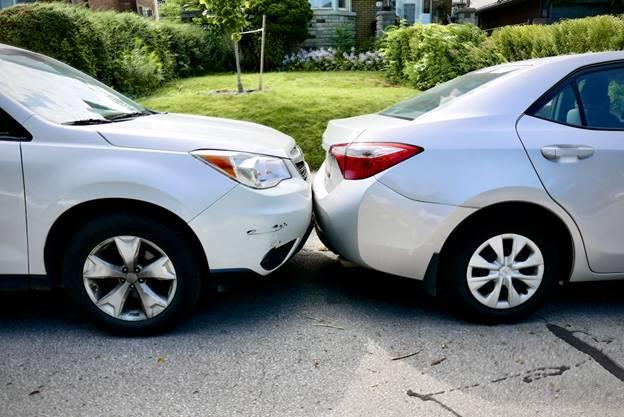
What to Do Immediately After a Car Collision
A car collision can leave you feeling disoriented and overwhelmed. Knowing the right steps to take immediately afterward can protect your safety, health, and legal interests. This guide covers the critical actions you should take at the scene and in the hours that follow. From checking for injuries and exchanging information to filing a claim, these five steps will help you navigate the aftermath of an accident with confidence.
Prioritize Safety First
Before anything else, check on everyone’s immediate safety. If you’re on a busy road, your first priority is to prevent more accidents. If it’s safe to do so, move your vehicle to the shoulder or a nearby safe spot, away from traffic. Turn on your hazard lights to warn other drivers.
Once your vehicle is secure, check yourself and your passengers for injuries. Then, if you can, check on the people in the other vehicle. Call 911 right away to report the collision and ask for police and medical help if there are any injuries, significant damage, or traffic blockages. Even for minor incidents, a police report provides an official record. It’s smart to keep a basic roadside emergency kit in your car, as it can be very useful in these situations. A good kit should have things like reflective triangles, a first-aid kit, and a flashlight.
Gather Essential Information
After making sure everyone is safe, you need to exchange information with the other driver or drivers involved. Don’t talk about who was at fault; just stick to getting the facts. This information is crucial for insurance claims and for any legal professionals you might consult, like a car accident lawyer. Make sure to get the following from all drivers:
- Full name and contact information
- Insurance company and policy number
- Driver’s license number and license plate number
- The make, model, and color of the other vehicle
If there are witnesses, politely ask for their names and contact information. Their unbiased account can be very helpful later. Write down the names and badge numbers of the police officers who respond, and ask where you can get a copy of the accident report.
Document the Scene Thoroughly
Your memory of the event can fade, so it’s important to document the scene as thoroughly as possible while you’re there. Use your smartphone to take pictures and videos from different angles. Capture the damage to all vehicles involved, their positions on the road, and any relevant landmarks or traffic signs. Remember to photograph skid marks, debris on the road, and any visible injuries.
Write down notes about the collision details. Include the date, time, and exact location. Describe the weather conditions, road conditions, and what happened as you remember it. The more detailed your documentation, the stronger your position will be when filing an insurance claim. A clear visual record is often the most convincing evidence. Knowing how to properly photograph the scene can make a big difference in establishing the facts.
Seek Medical Attention Promptly
After a collision, adrenaline can hide pain and injuries. You might feel fine at first, but some serious conditions, like whiplash or internal injuries, might not show symptoms for hours or even days. It’s always a good idea to see a doctor for a full check-up as soon as possible after an accident, even if you think you’re not hurt.
Getting prompt medical care serves two purposes. First and most importantly, it protects your health and well-being. Second, it creates an official medical record that connects any injuries directly to the collision. This documentation is vital if you need to file a personal injury claim to cover medical expenses and other related costs. Don’t downplay any symptoms to your doctor; be completely honest about any pain or discomfort you feel.
Understand Your Legal Rights
After a collision, you’ll need to report the incident to your insurance company. Give them the factual information you collected at the scene, but avoid making recorded statements or accepting a settlement offer until you fully understand your rights and the extent of your damages. Insurance adjusters might try to settle claims quickly and for the lowest amount possible.
You don’t have to talk to the other party’s insurance company. You can refer them to your own insurer or legal representative. Understanding the claims process and your state’s traffic laws can be complicated. Knowing when to simply manage an insurance claim and when to get professional advice is key to protecting your financial interests and making sure you receive fair compensation for damages and injuries.
Taking these deliberate steps after a collision can bring clarity to a chaotic situation. By putting safety first, gathering facts, and seeking appropriate medical and professional guidance, you can protect yourself and handle the aftermath with confidence.