Does Decaf Coffee Still Contain Caffeine?
If you have switched to decaf coffee to cut back on caffeine, you are making a smart choice, but there is one thing worth understanding upfront: it is not completely caffeine-free. There is always a very small amount left behind, and knowing why that happens, and how much we are actually talking about, helps you make better decisions about when and how much to drink.
The Short Answer
No decaffeination process can remove every molecule of caffeine from a coffee bean without also stripping out the compounds that make it taste like coffee. What a good process does is remove as much caffeine as possible while keeping the flavor intact. The Swiss Water Process achieves 99.9% caffeine removal on the green coffee before roasting. What reaches your cup is a trace amount, not zero. But that trace amount is far smaller than most people assume, and for the vast majority of drinkers, it is not meaningful.
How Much Caffeine Is Actually in Decaf Coffee
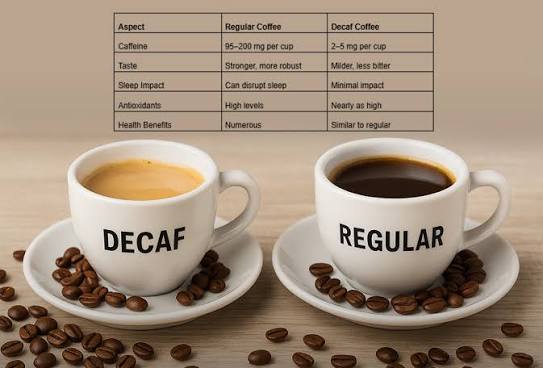
A 2006 study from the University of Florida College of Medicine found that a brewed cup of decaf coffee contains somewhere between 3 and 15 milligrams of caffeine, depending on serving size and brewing method. By comparison, a regular cup of coffee contains roughly 80 to 100 milligrams.
On average, a cup of decaf has about 10% of the caffeine found in regular coffee. To put that in perspective, that is less caffeine than an ounce of dark chocolate, or less than half the amount in a can of cola. For most people, this is not a meaningful quantity. For those with significant sensitivity to caffeine, it is something to factor in.
Why the Amount Varies
The reason a precise number is hard to pin down is that caffeine levels in your final cup depend on several things that happen after the decaffeination process is complete.
Roasting: Once the coffee leaves the decaffeination facility, it goes to the roaster. Research, including studies conducted by Swiss Water®, shows that roasting affects caffeine levels in ways that are inconsistent and difficult to predict. The effect is rarely large, but it means two cups from the same decaffeinated bean, roasted differently, can have slightly different caffeine content.
Brewing method: How you brew affects how much caffeine ends up in the cup. Espresso uses pressure and a higher coffee-to-water ratio, so it tends to extract more caffeine than a standard drip brew made with the same coffee. A longer contact time between coffee and water, and a finer grind, also increase how much caffeine is extracted.
Serving Size: A 16 oz cup will contain more caffeine than an 8oz cup simply because more water has passed through more coffee grounds. The caffeine per gram of coffee stays consistent, but the total in your cup scales with how much you brew.
Coffee quantity: The more ground coffee used in a brew, the more caffeine available to extract. This applies to decaf exactly as it applies to regular coffee. Doubling the grounds roughly doubles the caffeine.
What This Means in Practice
For most people who drink decaf coffee to reduce their overall caffeine intake, the trace amounts present are not a concern. Drinking two or three cups throughout the day still puts you well below the levels associated with negative effects, which most research places at 400 milligrams or more per day.
For people who are highly sensitive to caffeine, pregnant, or managing a specific health condition, even small amounts can matter. In those cases, the best approach is to start with one cup, pay attention to how your body responds, and adjust from there. If you have specific health concerns about caffeine, talking to a doctor before making any changes is always the right call.
Why the Decaffeination Process Matters
Not all decaf coffee is made the same way, and the method used affects both the remaining caffeine level and what else ends up in your cup alongside it.
The two most common decaffeination methods use chemical solvents, methylene chloride or ethyl acetate, to strip caffeine from the beans.
Methylene chloride is the same compound found in paint strippers and is classified as a probable human carcinogen by both the EPA and WHO. The FDA allows residue up to 10 parts per million in finished coffee, a standard that many health researchers consider based on outdated science.
The Swiss Water ® Process uses no chemicals at all. Water is the only solvent. Green coffee is introduced to a liquid already saturated with coffee’s soluble flavor compounds, so only caffeine migrates out. That caffeine is then captured through activated carbon filters, and the cycle repeats until the coffee reaches 99.9% caffeine-free status. The result is decaf coffee that is free of both most of its caffeine and all chemical residues.
The Bottom Line
Decaf coffee does contain a small amount of caffeine, typically between 3 and 15 milligrams per cup. The exact amount depends on how it was decaffeinated, how it was roasted, and how it was brewed. For most people, this is not a meaningful quantity. For those with heightened sensitivity, it is worth being aware of.
What matters most is how the caffeine was removed. If you are drinking decaf coffee to avoid chemical exposure as much as to limit caffeine, the Swiss Water ® Process is the only method that addresses both. That is why it is the only process we use.