How to Plan a Design Lover’s Weekend in Downtown LA
Almost 50 million people visit LA each year, and many are design enthusiasts intent on exploring Grand Avenue to experience the world-class architecture of Los Angeles. Finding the ideal itinerary in Downtown LA requires balancing striking modern monuments with rich historic landmarks. This guide outlines a structured two-day journey through iconic museums, restored spaces, and curated evening relaxation options.
Modern Architecture and Contemporary Collections
Grand Avenue serves as the centerpiece for structural innovation in Southern California. The neighborhood showcases iconic institutions where form and function merge in unexpected ways.
Masterpieces on Grand Avenue
The Broad stands out with its distinct honeycomb porous structure designed by Diller Scofidio + Renfro. Built to embody the architectural concept of the veil and the vault, the building filters natural light through its fiberglass shell into three levels of galleries.
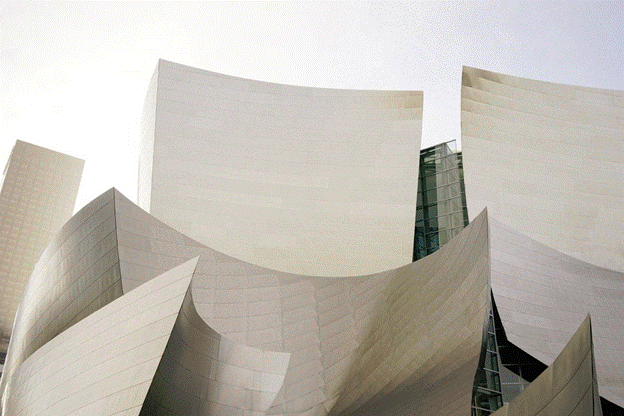
Directly across the street sits Frank Gehry’s Walt Disney Concert Hall, famous for its sweeping stainless steel exterior. Walking between these two structures offers a fascinating study in modern geometric contrasts.
Inside The Broad, the vault stores thousands of contemporary art pieces while supporting the top-floor display space. Visitors can observe artwork through structural viewing windows installed along the central staircase. Reserving entry passes in advance ensures smooth access without long wait times on the Plaza.
Contemporary Collections at MOCA
A short walk leads directly to the Museum of Contemporary Art on Grand Avenue. Designed by Japanese architect Arata Isozaki, the building utilizes reddish sandstone and geometric skylights to frame underground exhibition rooms. The permanent collection features essential works from post-war abstract expressionists alongside modern digital installations.
Exhibitions rotate frequently to highlight emerging artists who push artistic boundaries. Taking time to inspect the exterior courtyard reveals how Isozaki harmonized subterranean gallery spaces with urban street levels.
Industrial Aesthetics in the Arts District
Moving east from Grand Avenue brings visitors toward the Arts District, an area defined by converted industrial warehouses. Brick facades and heavy timber beams now house high-end galleries, artisan coffee spots, and creative studios.
Warehouse Conversions and Fine Dining
The former flour mill complex now known as Hauser & Wirth represents one of the finest adaptive reuse projects in the city. Spanning an entire city block, the site houses gallery rooms, an open outdoor courtyard, and a garden. The architectural restoration preserved original steel girders and historic signage alongside modern glass partitions.
Dining within the Arts District continues the visual journey through inventive culinary presentations. Local chef-driven restaurants emphasize seasonal ingredients served inside carefully restored industrial dining spaces. High ceilings, exposed brick, and custom lighting fixtures set a sophisticated tone for dinner, not a million miles from the kinds of luxury design found in NYC.
Evening Amenities and Local Services
Staying at a boutique hotel in the Arts District provides easy access to nightlife while offering quiet spaces to relax. Visitors often seek out premium amenities to unwind after a full day of walking through expansive galleries. Ordering adult recreational products for hotel room delivery has become a convenient option for discerning travelers.
Guests planning a quiet evening can arrange Downtown LA cannabis delivery with Herb Delivery directly to their lodging. Licensed services ensure discreet, compliant, and verified same-day service for adults aged 21 and older.
For design lovers curating their evening wind-down routine, local services complement the hotel experience.
- Premium tea selections from local neighborhood shops
- Specialized aromatherapy products crafted by independent artisans
- Licensed adult delivery options providing verified local coverage
Historic Landmarks and Walking Routes
Downtown LA contains an extraordinary collection of early twentieth-century structures that showcase classic architectural styles. Navigating these historic blocks on foot reveals intricate detailing that vehicle traffic hides.
Timeless Civic and Commercial Icons
The Bradbury Building remains an essential destination for lovers of Victorian architecture. Built in 1893, its interior court features open-cage elevators, ornate iron railings, and a massive glass skylight that bathes the atrium in light. Filming locations across film history have featured this stunning interior due to its moody lighting and geometric staircases.
Union Station presents a breathtaking blend of Dutch Colonial Revival, Mission Revival, and Art Deco design styles. Architectural historians frequently highlight how historic DTLA walking tours showcase the station’s massive arched windows and hand-painted ceiling tiles. Taking ten minutes to sit in the waiting room allows guests to appreciate the crafted leather seating and original woodwork.
Panoramic Views and Architectural Skylines
Ending the day at a rooftop lounge provides sweeping views across the skyline. Buildings like the Eastern Columbia Building shine in bright turquoise terra cotta tiles, standing out against newer glass skyscrapers. Rooftop perspectives reveal how historic brick facades sit comfortably alongside modern steel towers.
Observing the city from above highlights the urban grid developed over more than a century. The contrast between low-rise industrial zones and high-rise commercial corridors becomes remarkably clear at sunset.
Curated Mid-Century Vintage Shopping
No design weekend in the city is complete without hunting through the curated mid-century vintage stores dotted around Broadway and Hill Street. Local dealers specialize in restored Eames loungers, Italian postmodern lighting, and rare Scandinavian pottery pieces that collectors actively hunt for.
Browsing these showrooms offers an intimate look at twentieth-century design history while letting you take home an authentic piece of functional art. It provides a tactile connection to design movements that still shape today’s urban aesthetic.
Practical Tips for Your Design Weekend
Planning a smooth trip requires attention to transportation, walking routes, and timing across different neighborhoods. Efficient logistics ensure you spend maximum time inside galleries and historic spaces.
Transit Options and Walkability
While Los Angeles is famous for car culture, Downtown LA is remarkably walkable. Taking the Metro A or E lines connects Grand Avenue directly to the Arts District and Union Station. Walking between sites allows travelers to admire unexpected public art installations and subtle architectural details along the sidewalks.
Rideshare services fill any gaps during late hours or when traveling with heavy luggage. Keeping a flexible schedule allows room to explore spontaneous gallery openings or public plazas.
Curating Your Personal Itinerary
Balancing major museum visits with unstructured walking time keeps the weekend engaging rather than overwhelming. Booking morning timed-entry tickets for major institutions leaves afternoons open for gallery browsing.
Choosing lodging central to both historic districts and modern hubs reduces transit time significantly. We’ve got lots more coverage of travel and design topics, so check out our other posts.