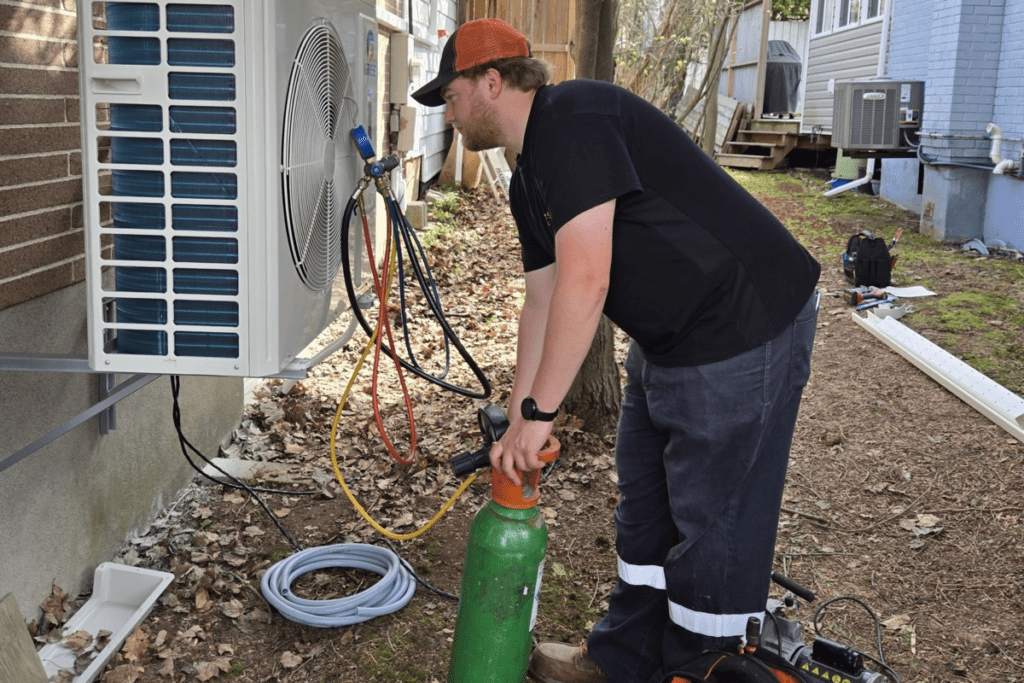
Common Air Conditioning Problems During an Edmonton Heatwave
When temperatures rise during an Edmonton heatwave, your air conditioner becomes one of the hardest-working systems in your home. While most AC units are designed to handle warm weather, prolonged periods of high temperatures can expose hidden issues or cause existing problems to worsen. A malfunctioning air conditioner isn’t just uncomfortable—it can also affect indoor air quality, increase energy bills, and even pose health risks for children, seniors, and pets.
Understanding the most common air conditioning problems during extreme heat can help homeowners recognize warning signs early and take action before a complete system breakdown occurs.
Why Heatwaves Put Extra Stress on Air Conditioners
During a heatwave, your AC system often runs for much longer than usual. Instead of cycling on and off throughout the day, it may operate continuously to maintain your desired indoor temperature.
This constant workload can lead to:
- Increased wear on mechanical components
- Higher electricity consumption
- Greater strain on the compressor
- Reduced cooling efficiency
- Faster accumulation of dirt and debris
Even a well-maintained air conditioner can experience problems when outdoor temperatures remain unusually high for several consecutive days.
1. Air Conditioner Blowing Warm Air
One of the most frustrating issues homeowners experience is warm air coming from the vents despite the thermostat being set to cooling.
Possible causes include:
- Dirty air filters
- Low refrigerant levels
- Frozen evaporator coils
- Compressor problems
- Thermostat malfunctions
Ignoring warm airflow can lead to further damage and higher repair costs.
If your cooling system suddenly stops performing during peak summer temperatures, scheduling emergency AC repair Edmonton services can help restore comfort before the issue becomes more severe.
2. Frozen Evaporator Coils
Although it may seem surprising during hot weather, evaporator coils can freeze even when temperatures outside are extremely high.
Common reasons include:
- Restricted airflow
- Dirty filters
- Blocked return vents
- Refrigerant leaks
- Faulty blower fans
Signs of frozen coils include:
- Weak airflow
- Ice buildup on indoor components
- Water leaks after the ice melts
- Poor cooling performance
Turning the system off immediately helps prevent additional damage until a technician can inspect it.
3. Refrigerant Leaks
Refrigerant is responsible for removing heat from your home’s indoor air.
When refrigerant levels become low because of leaks, the AC cannot cool efficiently.
Symptoms include:
- Longer cooling cycles
- Warm air
- Ice forming on refrigerant lines
- Hissing sounds
- Increased utility bills
Leaks should never be ignored since they reduce efficiency and may eventually damage the compressor.
4. Dirty Air Filters
A clogged air filter is one of the simplest yet most common causes of AC performance issues.
Dirty filters restrict airflow, forcing your system to work harder during already demanding weather conditions.
Replacing filters regularly offers several benefits:
- Improved airflow
- Better indoor air quality
- Lower energy consumption
- Longer equipment lifespan
- More consistent cooling
Many manufacturers recommend checking filters every month during peak cooling season.
5. Compressor Failure
The compressor is often considered the heart of your air conditioning system.
During an Edmonton heatwave, compressors may operate almost nonstop, making them more vulnerable to overheating.
Warning signs include:
- Loud humming
- System refusing to start
- Warm air
- Frequent breaker trips
- Outdoor unit vibrating excessively
Because compressor replacement is one of the most expensive AC repairs, early diagnosis is essential.
6. Thermostat Problems
Sometimes the air conditioner itself isn’t the problem.
Faulty thermostats can cause:
- Incorrect temperature readings
- Short cycling
- Continuous operation
- Failure to turn on
- Uneven cooling
Simple issues like weak batteries, poor placement near windows, or outdated thermostats can reduce system efficiency.
Smart thermostats often provide better temperature control while helping reduce energy costs.
7. Electrical Component Failures
High cooling demand places extra stress on electrical components.
These include:
- Capacitors
- Contactors
- Relays
- Wiring connections
- Circuit breakers
Electrical failures may cause:
- AC refusing to start
- Clicking noises
- Burning smells
- Random shutdowns
Electrical repairs should always be handled by licensed HVAC professionals.
8. Clogged Condensate Drain Line
Air conditioners remove moisture from indoor air.
That moisture drains through a condensate line, which can become blocked with dirt, algae, or debris.
A clogged drain line may cause:
- Water leaks around the indoor unit
- Increased humidity indoors
- Mold growth
- Automatic system shutdown
Routine maintenance usually prevents this issue.
9. Weak Airflow
Poor airflow often develops gradually, making it easy to overlook until indoor comfort noticeably declines.
Causes include:
- Dirty filters
- Damaged ductwork
- Blower motor problems
- Blocked vents
- Frozen coils
Weak airflow forces your AC to run longer while providing less cooling.
10. Air Conditioner Running Constantly
During extremely hot weather, continuous operation is not always abnormal.
However, if your home never reaches the thermostat setting, there may be an underlying issue such as:
- Undersized AC system
- Dirty condenser coils
- Refrigerant problems
- Poor insulation
- Air leaks around windows and doors
Professional diagnostics can identify whether your system simply needs maintenance or requires repairs.
How Edmonton Heatwaves Affect Older AC Systems
Older air conditioners naturally lose efficiency over time.
Units over 10–15 years old often struggle during prolonged heatwaves because of:
- Worn compressors
- Aging motors
- Reduced refrigerant efficiency
- Corroded coils
- Outdated technology
While repairs can extend the life of an older system, repeated breakdowns may indicate it’s time to consider replacement.
Preventative Maintenance Tips
Routine maintenance significantly reduces the chances of unexpected breakdowns during summer.
Homeowners should:
- Replace air filters regularly.
- Keep outdoor condenser units free of debris.
- Trim plants around the outdoor unit.
- Schedule annual HVAC inspections.
- Clean supply and return vents.
- Monitor unusual sounds or odors.
- Check thermostat accuracy.
Preventative maintenance often costs far less than emergency repairs.
Signs You Need Immediate Professional Help
Some problems require immediate attention rather than waiting until temperatures cool down.
Call an HVAC technician if you notice:
- Burning smells
- Electrical sparks
- Refrigerant leaks
- Loud grinding noises
- Complete loss of cooling
- Water leaking inside your home
- Repeated circuit breaker trips
Delaying repairs can turn a minor issue into a much more expensive one.
Choosing the Right HVAC Company
Not every repair company offers the same level of service, especially during busy summer seasons.
Look for technicians who provide:
- Emergency response availability
- Licensed and insured professionals
- Transparent pricing
- Experience with all major AC brands
- Comprehensive diagnostics
- Strong customer reviews
- Warranty-backed repairs
A reliable HVAC company can quickly diagnose problems and recommend cost-effective solutions without unnecessary upselling.
Conclusion
Edmonton heatwaves place tremendous pressure on residential air conditioning systems, making breakdowns more likely when homeowners need cooling the most. From frozen coils and refrigerant leaks to compressor failures and electrical issues, recognizing early warning signs can prevent expensive repairs and prolonged discomfort.
Routine maintenance, prompt attention to unusual symptoms, and professional servicing are the best ways to keep your cooling system operating efficiently throughout the hottest days of summer. Whether your AC is struggling to keep up or has stopped working altogether, addressing problems quickly helps protect your home’s comfort, energy efficiency, and long-term HVAC investment.