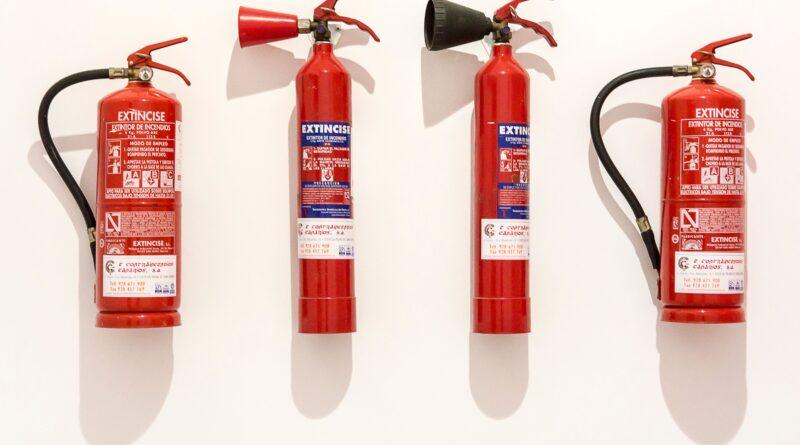
An Extinguisher Has Been Used. Can It Simply Go Back on the Wall?
The fire was small. Someone acted quickly, gave the extinguisher handle a short squeeze and stopped the flames before they reached anything else.
There’s relief, perhaps a bit of nervous laughter, and that sharp powdery mess floating through the room. No one was hurt. The damage looks minor. So, once the area has settled down, can the extinguisher simply be placed back on its bracket?
No.
Even a brief discharge can leave a portable fire extinguisher unfit for its next emergency. It may still look full. The pressure gauge may not appear dramatically different. Yet building managers arranging testing and tagging fire extinguishers should treat any used unit as equipment requiring professional attention, not as a red cylinder that can be quietly returned to the wall.
Businesses relying on Sydney fire extinguishers testing services also need to look beyond the unit itself. A discharge creates a chain of tasks: make the area safe, report the incident, isolate the extinguisher from service, arrange assessment and restore suitable fire protection while the unit is away.
The fire may be over. The safety work isn’t.
“It Was Only One Quick Squeeze”
This is probably the most common argument.
The extinguisher wasn’t emptied. It was used for a second or two, perhaps on a smoking appliance, a small bin fire or a flame caused by hot work. Surely most of the contents are still inside?
They may be. That isn’t the whole issue.
Once the valve has been operated, extinguishing agent can remain around the valve seat. Pressure may gradually escape. Powder can settle in the hose or nozzle. The safety pin and tamper seal will also have been disturbed, which means the unit is no longer in the condition recorded at its last service.
A portable extinguisher is meant to be ready for immediate use. “Probably still works” isn’t a reassuring standard when somebody reaches for it during another fire.
Think of it like an airbag after a crash. You wouldn’t push it back into the steering wheel and assume there’s enough left for next time. An extinguisher is different equipment, of course, but the logic is similar. Once it has performed its emergency role, it needs proper attention before anyone relies on it again.
First Things First: Is the Emergency Really Over?
Before worrying about the extinguisher, make sure the fire is genuinely out and the area is safe.
A flame can disappear while heat remains inside electrical equipment, wall cavities, packaging or furniture. Smouldering material may flare again. Smoke can also indicate a continuing problem that isn’t obvious from across the room.
Fire and Rescue NSW advises that portable extinguishers should only be operated when it is safe to do so. When there is doubt, people should get out and contact emergency services.
That point matters after the visible flames are gone too.
Don’t assume a successful extinguisher discharge means the incident is finished. Follow the workplace emergency plan, evacuate where required and call Triple Zero if there is any ongoing danger, uncertainty or risk of the fire restarting.
Nobody gets extra points for handling a dangerous situation alone.
Once the emergency has been dealt with, the workplace can turn to the equipment and the aftermath.
Don’t Quietly Hang It Back Up
A used extinguisher should be removed from normal service.
That doesn’t necessarily mean throwing it away. Depending on the extinguisher type, condition and extent of use, a competent service provider may be able to inspect, recharge and return it to service. In other cases, replacement may make more sense.
The key is that the decision shouldn’t be made by appearance alone.
A person walking past the extinguisher later may assume it is ready because it sits on its bracket beneath the correct sign. During another incident, they may pull the pin and discover the pressure or extinguishing agent isn’t there when needed.
That’s a grim way to learn that the first discharge mattered.
Remove the unit, identify it clearly as used or out of service and arrange professional assessment. Make sure staff know why it has been taken away so nobody returns it to the wall while trying to tidy the area.
Tidiness is good. Accidental deception isn’t.
Recharge or Replace?
People often use the terms “refill” and “recharge” as if every extinguisher can simply be topped up.
It isn’t always that simple.
Some extinguishers are rechargeable. Others may be non-rechargeable or no longer economical to service. Age, physical condition, corrosion, damage and the availability of suitable parts can all affect the decision.
The technician also needs to consider whether the extinguisher still suits the risk it was protecting.
Perhaps the unit was installed years ago when the room served as a basic office. It’s now a workshop, kitchen or battery-charging area. Recharging the same extinguisher might restore the cylinder while leaving a broader suitability problem untouched.
That’s a useful little contradiction. Returning equipment to its previous condition isn’t always enough if the workplace itself has changed.
A used extinguisher creates an opportunity to review the area. What started the fire? Has the hazard changed? Was the extinguisher type suitable? Was it easy to reach? Did the person using it know what to do?
Sometimes the cylinder is only the beginning of the conversation.
What Protects the Area While It’s Away?
Removing a used extinguisher can leave a gap in the building’s fire protection.
That gap shouldn’t be ignored while the unit is being serviced.
A suitable temporary replacement may be required so the area continues to have the intended level of portable firefighting equipment. The replacement should match the relevant hazards and remain accessible, visible and properly positioned.
Fire and Rescue NSW recommends that extinguishers in businesses be conspicuous and readily accessible, with at least 1,000 millimetres of surrounding clearance.
It’s not enough to place a spare extinguisher somewhere vaguely nearby.
Staff need to know where it is. It shouldn’t be hidden behind stock, left on the floor in a back room or locked inside an office whose manager finishes at three.
Temporary equipment still needs to work in the real workplace.
This becomes especially important in busy sites. A restaurant can’t leave the kitchen without appropriate protection through a weekend trading period. A warehouse can’t remove a unit from a loading area and assume another extinguisher fifty metres away covers the same risk.
The exact response should be guided by a competent fire protection provider who understands the site.
The Service Tag Needs a New Story
An extinguisher’s service tag records part of its maintenance history. Once the unit has been used, that history has changed.
The incident should be recorded, along with the extinguisher’s asset number or location. Building managers should note when it was removed, what replacement was supplied and what servicing or replacement work followed.
When the extinguisher returns, the records and service identification should reflect its current condition.
Why bother with all that detail?
Because staff change. Contractors change. Property managers change. Six months later, nobody may remember why one extinguisher has a different date or why the asset register lists a replacement unit.
Good records stop small mysteries from becoming compliance headaches.
They also help reveal patterns. If extinguishers in one area are repeatedly discharged, damaged or moved, there may be a bigger issue with the work being done there.
Perhaps hot-work controls are poor. Perhaps waste is being stored near ignition sources. Perhaps staff are dealing with repeated equipment faults rather than reporting them.
A service record can tell you more than when a technician last visited.
The Powder Has Gone Everywhere. Now What?
Dry chemical powder extinguishers are effective in suitable situations, but the clean-up can be messy.
Fine powder can spread across floors, shelving, electronics and machinery. It creeps into corners. Days later, someone still finds a pale film on a surface that looked clean.
Don’t rush into the area without considering what burned, what extinguisher was used and whether any electrical or chemical hazards remain.
Sensitive equipment may require specialist cleaning. Food areas may need additional hygiene controls. Ventilation systems could also spread residue beyond the immediate point of discharge.
The clean-up method should suit the extinguishing agent and the affected workplace. Follow the manufacturer’s safety information and seek professional advice where contamination, electrical equipment or hazardous materials are involved.
The fire may have been small. The residue can travel.
And here’s a related point that’s easy to miss: cleaning the powder doesn’t make the extinguisher ready again. The cylinder still needs assessment.
What If It Was Used on the Wrong Fire?
A used extinguisher can also expose a training problem.
Different extinguishers are intended for different fire classes and hazards. Water-based equipment, dry chemical powder, carbon dioxide and wet chemical extinguishers don’t all serve the same purpose.
The wrong choice can be ineffective or dangerous.
If somebody grabbed the nearest extinguisher without understanding the risk, the workplace should review signage, equipment selection and staff awareness. That doesn’t mean every employee needs to become a firefighter. It means people should understand when an extinguisher may be appropriate and, more importantly, when to leave.
Fire and Rescue NSW stresses that extinguishers should only be used during the first moments of ignition when the person feels confident and it is safe.
Some modern hazards require particular caution.
For example, current SafeWork NSW guidance for lithium-ion battery fires tells people not to try to extinguish the fire, but to evacuate and call Triple Zero immediately. Fire and Rescue NSW similarly advises evacuation, closing doors if safe and waiting in a safe location when a battery is smoking or burning.
Having an extinguisher nearby doesn’t mean it should be used on every fire.
Judgement is part of fire safety too.
Can the Extinguisher Ever Return to the Wall?
Yes, potentially.
After suitable professional servicing, a rechargeable extinguisher may be restored and returned to its designated position. A replacement may be installed instead if the original unit is damaged, unsuitable or uneconomical to service.
Before the fire point returns to normal, make sure the extinguisher is mounted correctly, visible, accessible and supported by updated records.
Check the surrounding area too.
Has stock crept into the clearance zone? Is the sign visible? Does the extinguisher still suit the hazard? Do staff know that the temporary unit has been removed and the normal equipment restored?
Returning the cylinder to the bracket should be the last step, not the first.
Small Fire, Proper Follow-Up
A quick extinguisher discharge can prevent a frightening incident from becoming a major loss.
That deserves relief. It also deserves a proper response.
Don’t put the used extinguisher back on the wall. Remove it from service, provide suitable temporary coverage and arrange assessment by a competent fire equipment provider. Record what happened. Review the cause, the equipment choice and the way staff responded.
Then close the loop.
Recharge or replace the unit. Update the records. Restore the fire point and make sure everyone knows the area is protected again.
An extinguisher is designed to be ready without hesitation.
After it has been used, hesitation is exactly what shouldn’t be left for next time.