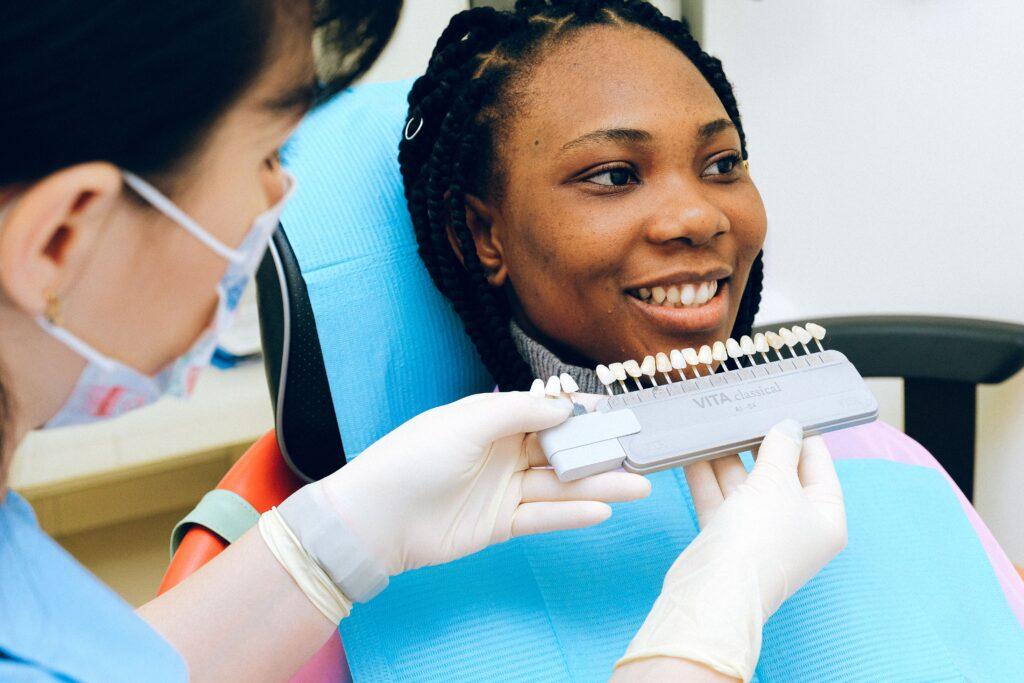
How To Choose The Right Orthodontic Plan Early
Your smile affects more than photos. It can shape comfort, confidence, and even how easy it is to clean your teeth every day. If you have been wondering when to look into orthodontic treatment, the answer is often sooner than you think. You do not need to wait for a major problem. A thoughtful plan early on can help you understand your options, avoid delays, and make the whole process feel much more manageable.
Why Timing Matters
It is easy to think orthodontic care is only for teenagers, but timing matters for children, adults, and just about everyone in between. When alignment issues are noticed early, you often have more options to work with. That does not always mean treatment starts right away. Sometimes it simply means you get a clear view of what to watch and when to act.
If you are looking into orthodontic care from Dr. Tennison, the goal is not just straighter teeth. It is also about guiding healthy development, improving bite function, and making long-term dental care easier. A small concern today can become a bigger one later if it is ignored.
Early planning can also reduce stress. You have time to ask questions, compare options, and fit treatment into your family schedule. That kind of breathing room is helpful when life is already full.
Common Signs To Notice
You do not need expert training to spot a few signs that something may be off. Some are easy to notice at home, especially during daily brushing or meal times. Teeth that look crowded, overlap heavily, or leave little room for floss can be one clue. A bite that seems uneven is another.
You may also notice practical issues, not just cosmetic ones. Your child might chew mostly on one side, breathe through the mouth often, or have trouble saying certain sounds clearly. Adults may deal with jaw tension, frequent cheek biting, or teeth that seem to be shifting over time.
Here are a few signs worth paying attention to:
- Crowded or crooked teeth
- Gaps that seem unusual
- Early or late loss of baby teeth
- Difficulty biting or chewing
- Jaw popping or discomfort
Not every sign means treatment is necessary. Still, noticing patterns early gives you a better chance to deal with them calmly instead of reactively.
What Happens At Visits
A first orthodontic visit is usually much simpler than people expect. You are not walking into a mystery. In most cases, the appointment starts with a basic exam, a conversation about concerns, and images that help show how the teeth and jaw are lining up.
You may be asked about habits, dental history, and any discomfort you have noticed. If your child is the patient, the orthodontist may also look at growth patterns and how adult teeth are coming in. It is a fact-finding visit, not a pop quiz.
A typical consultation may include:
- A visual exam of the teeth and bite
- X-rays or digital scans
- A discussion of treatment timing
- An overview of possible options
- Time for your questions
The best part is that you leave with more clarity. Even if treatment is not needed yet, you usually gain a practical plan for what to monitor next. This is exactly the kind of guidance a dedicated orthodontics (Kieferothopädie)) team can offer, turning that first visit into the start of a clear, well-supported path forward.
Options For Different Ages
Orthodontic care is not one-size-fits-all. A child may need monitoring while the mouth is still developing. A teenager may be ready for braces or aligners during a stage when teeth are easier to guide. An adult may finally decide it is time to fix something that has been bothering them for years.
Children often benefit from early evaluation because growth can influence how treatment is planned. Teen treatment tends to focus on active correction, especially when most permanent teeth are already in place. Adults usually want solutions that fit around work, family, and social life.
That is why age matters, but lifestyle matters too. A busy teen athlete, a college student, and a working parent may all need different approaches, even if their alignment issues look similar on paper.
The right option is the one that fits your actual routine. A great plan should work in real life, not just in theory.
Questions Worth Asking
A consultation is your chance to get specific. You do not need to nod politely and hope everything makes sense later. Asking thoughtful questions can help you understand the full picture before you commit to treatment.
Try to focus on issues that affect daily life, not just the final result. You want to know how treatment will feel, how long it may last, and what kind of responsibility comes with it. That way, there are fewer surprises once you begin.
Useful questions include:
- Is treatment needed now or later?
- How long could treatment take?
- What choices are available?
- How often are follow-up visits?
- What foods or habits should change?
- What happens if instructions are not followed?
These questions help you move from vague concern to an informed decision. That shift matters. It turns treatment from something intimidating into something you can plan for with confidence.
Building Better Habits
Orthodontic treatment works best when good habits support it. You do not need perfection, but consistency goes a long way. Brushing carefully, flossing well, and keeping appointments can make treatment smoother and help protect your teeth during the process.
If you wear aligners or retainers, following directions matters more than people think. Skipping wear time may not seem like a big deal on a busy day, but those little gaps can slow progress. The same goes for avoiding foods that can damage braces or make cleaning harder.
A few steady habits make a real difference:
- Brush after meals when possible
- Keep tools nearby for easy cleaning
- Wear aligners or retainers as instructed
- Do not postpone check-ins
- Speak up if something feels wrong
Good orthodontic results are not only about the device. They are also about the routine you build around it. Strong habits help your treatment stay on track, and your smile stay healthy.