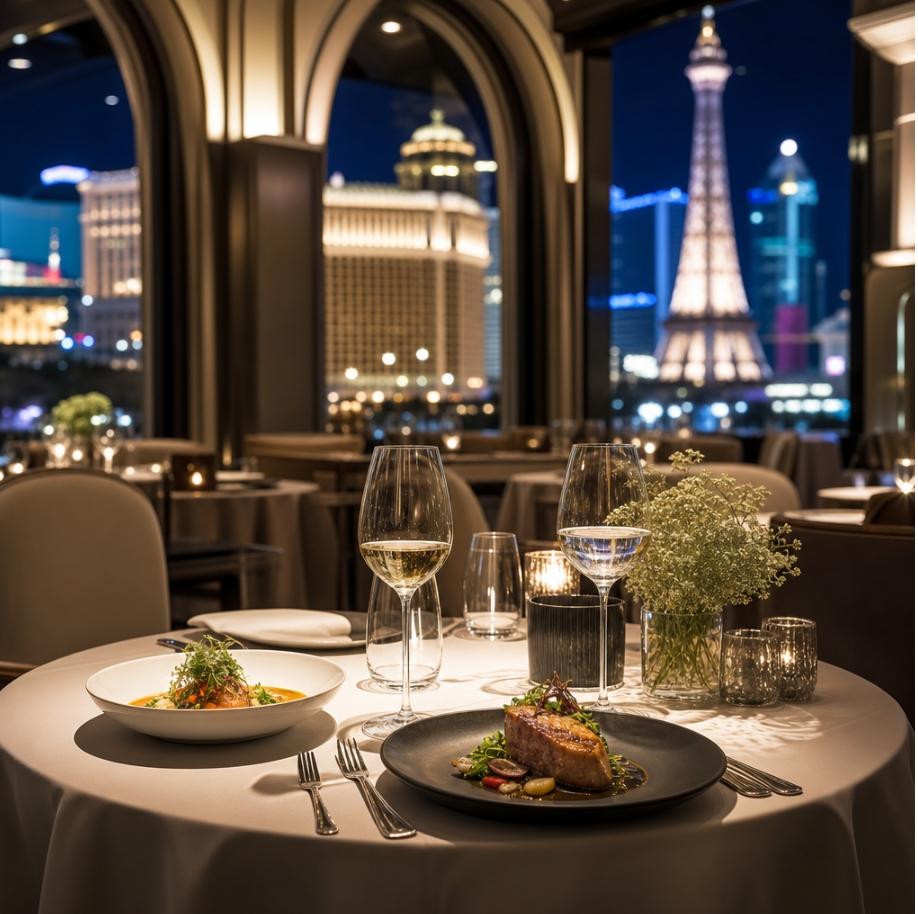
Where Culinary Ambition Meets Elegance: The Rise of Fine Dining in Las Vegas
Las Vegas has long been associated with spectacle, but in recent years, the city’s restaurant scene has quietly evolved into one of the most sophisticated dining destinations in the world. Beyond the glittering lights and grand entertainment venues, a new generation of chefs and restaurateurs has transformed the Strip and its surrounding neighborhoods into a genuine culinary capital. Today, discerning diners travel specifically for the food — not just the experience surrounding it.
A City That Takes Its Plates Seriously
What separates Las Vegas from other major dining cities is the sheer concentration of talent and ambition packed into a relatively compact area. World-class chefs have established flagship restaurants here, drawn by the city’s appetite for excellence and its ability to attract guests from every corner of the globe. The result is a dining landscape where innovation is not just welcomed — it is expected.
The city’s fine dining establishments are no longer content to simply replicate what works elsewhere. Instead, they are setting trends, experimenting with technique, and crafting menus that reflect both global influences and deeply personal culinary philosophies. Guests who arrive expecting a predictable steakhouse experience often leave with a far more nuanced understanding of what modern American cuisine can achieve.
The Role of Seasonal Menus in Elevating the Experience
One of the defining characteristics of top-tier restaurants in Las Vegas is their commitment to seasonal, ingredient-driven menus. Rather than offering a static selection year-round, the best kitchens rotate their offerings based on what is freshest and most flavorful at any given time. This approach demands more from both the chef and the guest — but the reward is a dining experience that feels alive, intentional, and genuinely memorable.
Seasonal menus also signal a deeper respect for the craft. When a chef builds a dish around a single exceptional ingredient — a perfectly ripened heirloom tomato, a delicate local mushroom, or a sustainably sourced piece of fish — the result is something that cannot be replicated elsewhere or at any other time. That sense of exclusivity and presence is precisely what elevates a meal from satisfying to extraordinary.
Stubborn Seed: A Benchmark for Modern Fine Dining
Among the restaurants redefining what guests can expect from a high-end meal, Stubborn Seed stands in a category of its own. For those seeking fine dining in Las Vegas, Stubborn Seed offers a tasting menu experience that is both technically precise and deeply expressive. Chef Jeremy Ford’s approach is rooted in creativity without pretension — each course tells a story, and the progression of flavors across the meal is carefully orchestrated to build toward something genuinely surprising. The restaurant’s commitment to hospitality is equally evident, with a service team that anticipates needs without ever feeling intrusive.
What Makes a Tasting Menu Worth the Investment
Tasting menus have become the preferred format for many of the world’s most celebrated restaurants, and for good reason. They allow the kitchen to present a complete vision rather than a collection of individual dishes. Each course is designed to complement what came before and prepare the palate for what follows. The result is a cohesive narrative that rewards attention and patience.
For guests who may be new to the tasting menu format, the key is to arrive with an open mind and a willingness to surrender control. The chef has already made the decisions — your role is simply to be present and receptive. The best tasting menus feel less like a meal and more like a conversation between the kitchen and the table, one that unfolds over several hours and leaves a lasting impression.
Waterfront Dining and the Power of Setting
While Las Vegas dazzles with its interior design and architectural ambition, other dining destinations have found that the natural environment itself can be the most powerful backdrop of all. Waterfront dining, in particular, has a way of slowing the pace of a meal and encouraging guests to be fully present. The combination of exceptional food and a stunning natural setting creates a sensory experience that no amount of interior decoration can fully replicate.
For those who appreciate the interplay between cuisine and environment, waterfront dining in Sarasota offers a compelling counterpoint to the urban intensity of Las Vegas. The two experiences are vastly different in character, yet both share a commitment to quality, atmosphere, and the belief that a great meal is about far more than what arrives on the plate.
Service as an Art Form
In any fine dining context, the quality of service is inseparable from the quality of the food. A technically flawless dish can be undermined by inattentive or overly formal service, just as a warm and knowledgeable server can elevate even a simple preparation into something special. The best restaurants understand that hospitality is not a department — it is a philosophy that permeates every interaction from the moment a guest walks through the door.
Great service is characterized by attentiveness without intrusion, knowledge without condescension, and warmth without familiarity. It requires a team that genuinely cares about the guest experience and has the training and confidence to handle any situation with grace. When service reaches this level, it becomes invisible in the best possible sense — guests simply feel cared for without being able to pinpoint exactly why.
The Broader Evolution of American Fine Dining
The transformation happening in Las Vegas is part of a much larger shift in American fine dining. Across the country, chefs are challenging long-held assumptions about what a formal restaurant experience should look and feel like. The rigid hierarchies and European formality that once defined the genre are giving way to something more personal, more diverse, and more reflective of America’s complex culinary identity.
This evolution is perhaps most visible in the growing recognition of chefs who draw on non-European culinary traditions to create genuinely original fine dining experiences. As this in-depth profile of Chinese-American fine dining innovation illustrates, the boundaries of what constitutes fine dining are expanding in exciting and meaningful ways. The result is a richer, more inclusive dining culture that benefits everyone who sits down at a table.
Conclusion: Choosing Where to Dine with Intention
Whether you are planning a special occasion meal in Las Vegas, seeking a serene waterfront experience, or simply looking to understand what the best restaurants in the world are doing right now, the common thread is intentionality. The finest dining experiences are not accidental — they are the result of deliberate choices made by chefs, restaurateurs, and guests alike. When all three parties bring their full attention to the table, something remarkable becomes possible.
Las Vegas, for all its reputation as a city of excess, has quietly become a place where culinary restraint, precision, and genuine creativity are celebrated. For the thoughtful diner, that is perhaps the most surprising and satisfying discovery of all.