Teeth Whitening Manhattan Beach: What to Know Before Your First Treatment
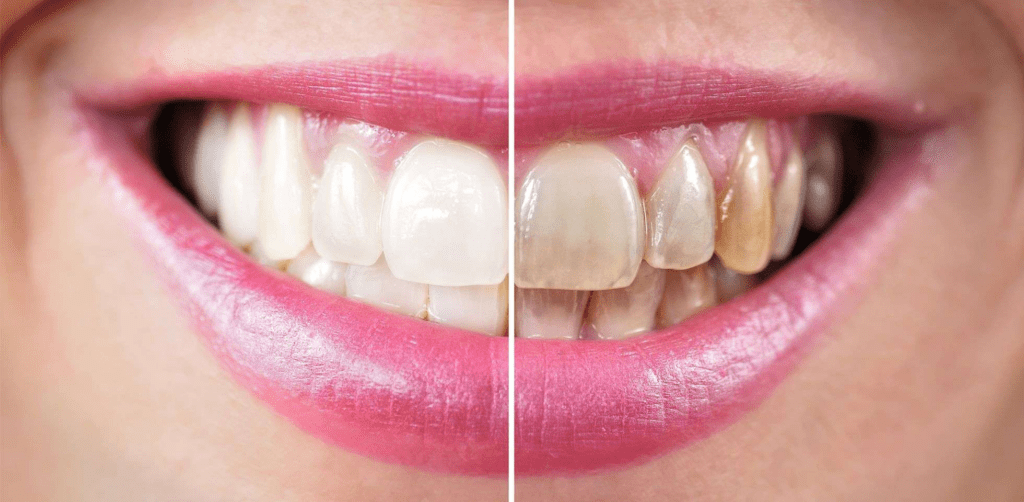
Snippet Bait: Teeth whitening in Manhattan Beach works best when it’s guided by a dentist who can assess candidacy first. Not every tooth responds to whitening the same way, and understanding the difference between over-the-counter products and professional treatment helps set realistic expectations before you commit to either one.
Key Takeaways
- Only natural tooth enamel whitens — crowns, veneers, bonding, and fillings won’t change shade.
- The American Dental Association’s Seal of Acceptance is the clearest safety signal for over-the-counter products.
- Temporary sensitivity is the most common side effect of whitening, and it’s typically mild and short-lived.
- Professional whitening systems often combine take-home and in-office phases for more predictable, longer-lasting results.
- A short “white diet” after treatment protects results while your teeth are most vulnerable to new staining.
Not All Whitening Options Are Created Equal
Walk down any drugstore aisle and you’ll find a wall of whitening strips, gels, and pens promising a noticeably brighter smile in days. Some of that works reasonably well. Some of it doesn’t do much beyond lightening your wallet. The difference usually comes down to what’s actually in the product, how it’s applied, and whether a dentist evaluated your teeth before you started.
Before choosing between a drugstore strip and professional teeth whitening in Manhattan Beach, it helps to understand what dentistry’s own research actually says about what works and what doesn’t.
What the ADA Actually Says About Whitening Safety
The American Dental Association maintains a voluntary Seal of Acceptance program for over-the-counter oral care products, including whitening toothpastes and strips. A product carrying that seal has been evaluated for both safety and effectiveness when used as directed — which isn’t true of every whitening product sold online or in stores.
According to the ADA, a 2018 Cochrane review of home-based whitening products found that tooth sensitivity and oral irritation were the most common side effects, and that these effects were more common at higher peroxide concentrations but generally described as mild and temporary. That’s a useful data point if you’ve hesitated to try whitening out of concern about pain or long-term damage — for most people, sensitivity resolves on its own once treatment ends.
One detail that surprises a lot of patients: whitening only affects natural tooth enamel. Crowns, veneers, bonding, and fillings won’t change shade no matter which product you use on them. If you have visible restorations in your smile, that’s exactly the kind of thing worth discussing with a dentist before starting any whitening regimen, since a mismatched shade between natural teeth and existing dental work can actually look worse than staying at your current shade.
Why a Professional Evaluation Matters More Than the Product You Choose
It’s tempting to assume the whitening product itself is what determines your results. In practice, candidacy matters just as much. Some staining responds well to whitening — the kind caused by coffee, tea, red wine, and everyday food pigments building up on enamel over time. Other discoloration, like staining from certain medications taken during childhood or internal changes to a tooth after an injury, doesn’t respond to standard whitening the same way and may need a different approach entirely.
A quick consultation before starting treatment helps set expectations about which category your smile falls into, rather than finding out after a round of drugstore strips that didn’t move the needle.
How Professional Whitening Systems Typically Work
Many professional whitening systems, including the KOR Whitening system used at Giant Smiles Dental in Manhattan Beach, take a two-phase approach rather than relying on a single in-office visit:
- A take-home preparation phase, where custom trays with a dentist-prescribed whitening gel are worn for a period leading up to the main treatment
- A final in-office session, where a higher-concentration whitening agent is applied under professional supervision for the most dramatic shift in shade
- A short recovery window, during which patients avoid foods and drinks most likely to restain freshly whitened enamel
This two-phase approach exists specifically because enamel responds differently to gradual versus concentrated exposure — starting with a take-home phase can improve comfort and help the in-office treatment achieve a more even, longer-lasting result compared to jumping straight to the strongest treatment available.
Managing the “White Diet” After Treatment
Right after whitening, enamel is temporarily more porous and more susceptible to picking up new stains. That’s why many dentists recommend a 48-hour “white diet” — avoiding coffee, tea, red wine, dark sauces, and similarly pigmented foods immediately after treatment. It’s a short window, but skipping it can undo some of what the treatment just accomplished.
What to Expect If You Experience Sensitivity
Some patients notice temporary sensitivity to hot or cold after whitening, particularly following higher-concentration in-office treatments. This generally fades within a day or two. If sensitivity persists longer than that or feels more severe than mild discomfort, it’s worth checking back in with your dentist rather than assuming it will resolve on its own — especially if you have any underlying dental issues that weren’t addressed before whitening began.
FAQs
How long do professional whitening results typically last? Results vary by individual habits, but many patients maintain their results for a year or more with good oral hygiene and occasional touch-up treatments, particularly if they limit high-staining foods and beverages.
Can teeth whitening damage my enamel? When performed under professional guidance or using ADA-accepted products as directed, whitening is generally considered safe. Overuse or unsupervised use of high-concentration products carries more risk, which is part of why professional oversight matters.
Will whitening change the color of my crowns or veneers? No. Whitening only affects natural tooth enamel. If you have visible dental work, a dentist can help you plan treatment so your smile doesn’t end up with a noticeable color mismatch.
Is teeth whitening safe for everyone? Most healthy adults are reasonable candidates, but a consultation helps rule out situations — like untreated decay, gum recession, or certain types of internal staining — where whitening isn’t the right first step.
Meet Your Dentist: Dr. Gregory Ray, D.D.S.
Dr. Greg Ray leads Giant Smiles Dental in Manhattan Beach, bringing a background that spans private practices in San Diego and Manhattan’s Upper East Side before relocating to the South Bay. He earned his dental degree from the University of the Pacific School of Dentistry in San Francisco and is licensed to practice in both California and New York.
Dr. Ray is a Fellow of the International Congress of Oral Implantology and a certified trainer for CEREC same-day restorative dentistry, and he serves as a technology evaluator for Clinical Research Associates, giving him early exposure to emerging dental products and techniques. He was voted one of San Diego’s top dentists by San Diego Magazine for eight consecutive years and has maintained a decade of five-star patient ratings. Giant Smiles Dental operates from 500 S. Sepulveda Blvd in Manhattan Beach, serving patients throughout Manhattan Beach, Hermosa Beach, and Redondo Beach.
Ready to See What’s Right for Your Smile?
Whitening products aren’t one-size-fits-all, and the ADA’s own research backs up why professional guidance matters more than which brand of strip you grab off a shelf.
Schedule a consultation with Dr. Greg Ray at Giant Smiles Dental to find out whether KOR Whitening or another approach is the right fit for your teeth.