Chef Sultano’s Sicily: A Culinary Story of History, Culture, and Connection
By Lisa Loverro
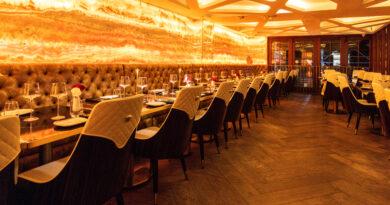
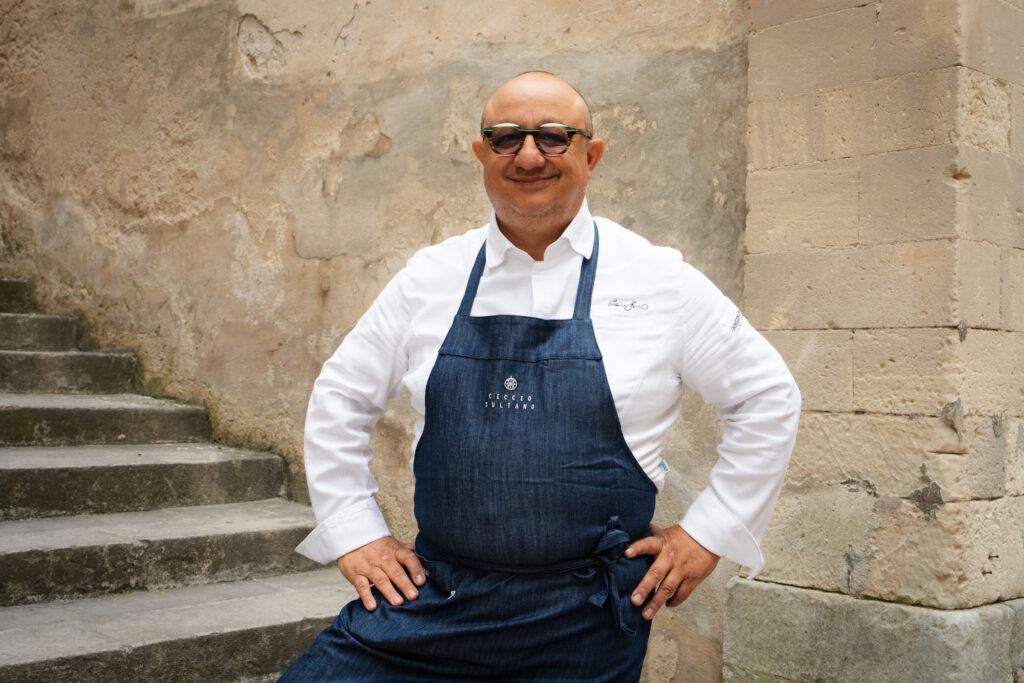
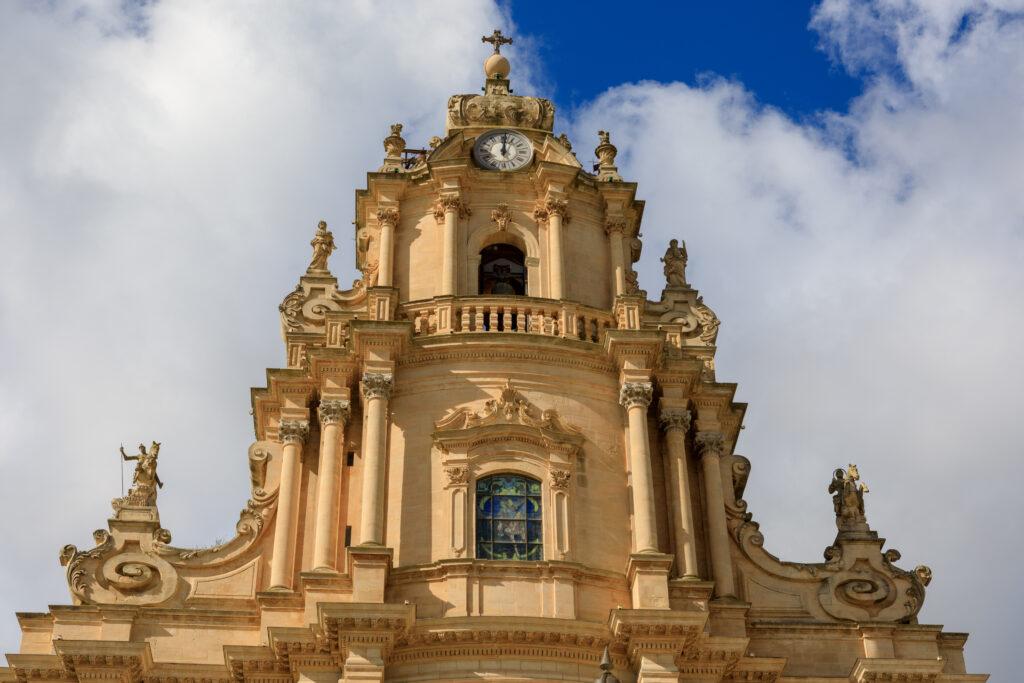
In the hill town of Ragusa Ibla, where stone buildings glow gold under the Sicilian sun and winding streets seem suspended in another century, Chef Ciccio Sultano has built more than a restaurant. He has created a philosophy. Through his celebrated Ristorante Duomo, Sultano has become one of the defining voices of modern Sicilian cuisine, transforming food into a narrative about culture, identity and history. Awarded two Michelin stars since 2006, the restaurant has just 35 seats, a cellar with over 1,450 labels, and is deeply rooted in Sicilian tradition.
Born in Turin in 1970 but raised in Ragusa, Sicily, Sultano’s relationship with food began early. At just thirteen years old, he started working in a pastry shop, moving between pastry production, bar service and Sicily’s beloved tavola calda traditions. What started as a job quickly evolved into a calling. By nineteen, he was fully immersed in professional kitchens, becoming a head chef at twenty-four and executive chef by twenty-six.
A pivotal moment came during his time in New York, where he worked alongside famed Italian-American chef Lidia Bastianich. The experience helped clarify his vision. “It was there that I understood my direction,” Sultano says. “Not simply cooking but building a deeper narrative around food.”
That realization brought him back to Sicily, where he opened Ristorante Duomo in Ragusa Ibla on May 16, 2000. Over the past two decades, the restaurant has become internationally recognized for its inventive interpretation of Sicilian cuisine. For Sultano, Ragusa was always the only place where this vision could fully come to life. Though originally from Gela and raised in Vittoria, he says he fell in love with Ragusa Ibla at seventeen years old. The city’s layered beauty and sense of timelessness stayed with him for years before eventually becoming home to his culinary project.
According to Sultano, American, British and Commonwealth travelers have represented nearly 60 percent of his guests since the beginning. Sicily’s allure, he says, has long rested in its unique combination of art, architecture, cuisine, microclimates and ancient history.
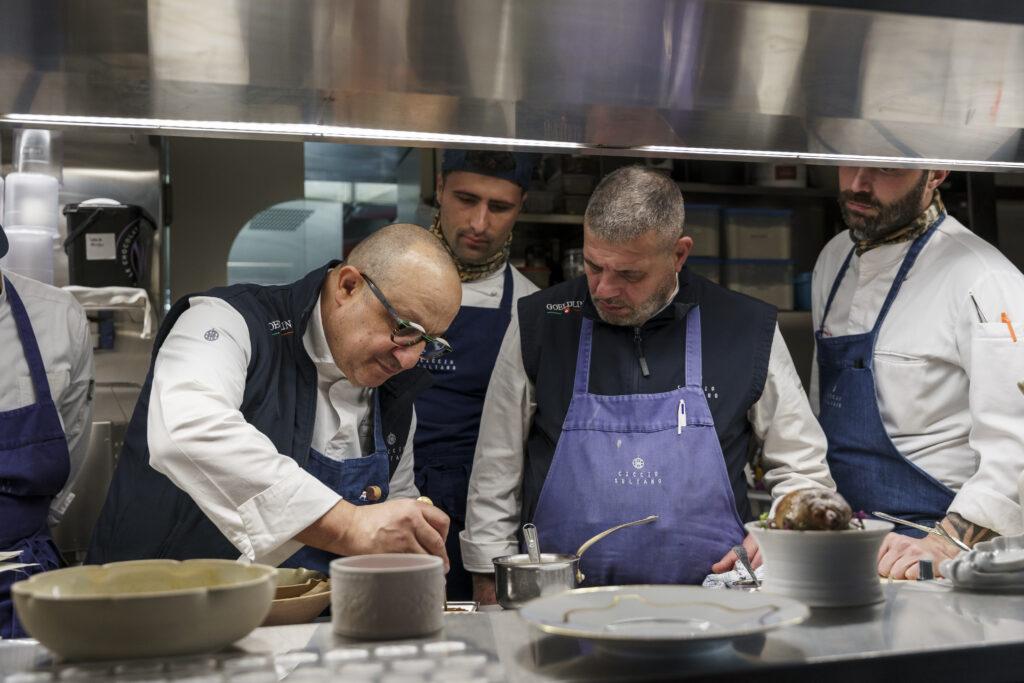
That layered history is exactly what drives Sultano’s cooking philosophy, which he defines as “gastronomic anthropology.”
Sultano views the island as a living archive of civilizations. Greeks, Arabs, Normans, Spanish and French cultures all left their marks on Sicily’s food traditions, creating a cuisine that is constantly evolving through centuries of exchange and influence. This philosophy is reflected in two ideas central to his work: “Io sono Dominazioni” (“I am Dominations”) and “mi sento citrico” (“I feel citrus”). The first references Sicily’s long history of cultural stratification and conquest. The second expresses something more emotional and sensory, with freshness, brightness and energy. Together, these concepts shape Sultano’s approach to cooking, where every dish tells a story that extends far beyond the plate.
Another defining principle of his work is what he calls “cucina educata,” or “educated cuisine.” It is a philosophy that bridges different culinary worlds: popular home cooking, bourgeois traditions and aristocratic influences. At its core, cucina educata is about accessibility without sacrificing sophistication. Ingredients are carefully sourced and thoughtfully prepared, but the food remains approachable and deeply human. Sultano believes fine dining should never feel disconnected from everyday life.
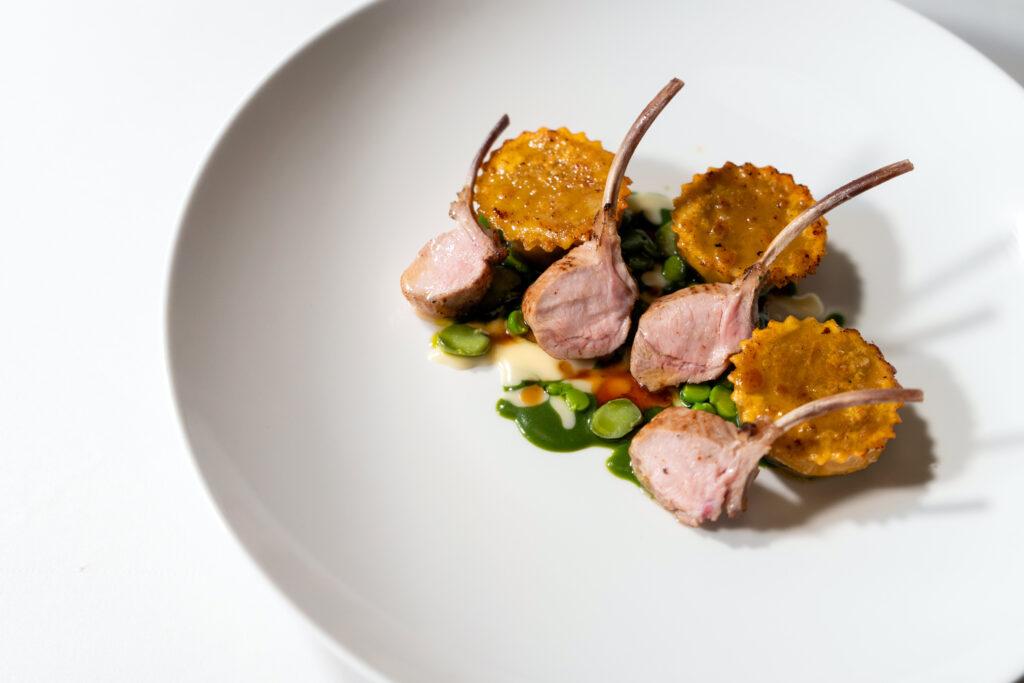
This concept comes to life not only at Ristorante Duomo, but also at I Banchi in Ragusa and Palermo Airport, where bakery culture and contemporary dining intersect in a more casual setting. There, food returns to what Sultano sees as its essential role — nourishment, sharing and community. “Cooking is not about complexity for its own sake,” he says. “It is about creating a language people can recognize, understand and enjoy together.”
When discussing Sicilian cuisine more broadly, Sultano describes it as inherently Mediterranean. Unlike many mainland Italian regional cuisines that remain more geographically and structurally defined, Sicilian cooking thrives on diversity. “Sicilian cuisine is a cuisine of crossings, not of boundaries,” he explains.
That openness has helped propel Sultano’s growing restaurant empire beyond Sicily. In addition to Ristorante Duomo and I Banchi, he also oversees Pastamara at The Ritz-Carlton in Vienna, which opened in 2018, and Giano at W Rome, launched in 2021. Though there are no immediate expansion plans, Sultano hints that Milan could eventually be part of the future.
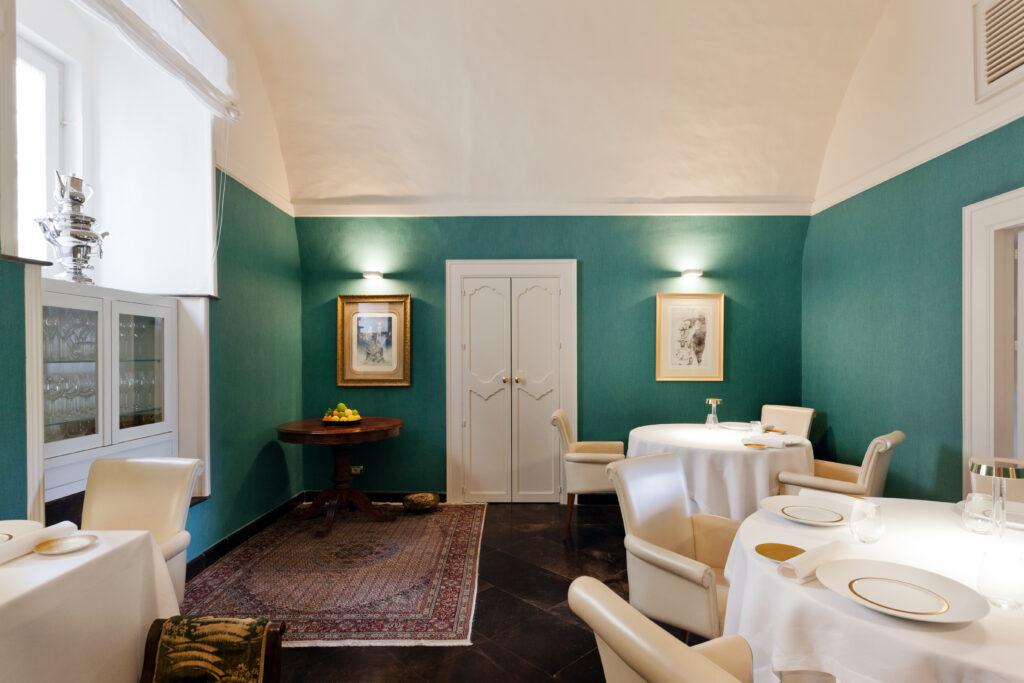
Despite his international success, Sultano remains deeply committed to Sicily and its communities. Supporting local producers has long been a cornerstone of his business model, with the chef emphasizing collaborative relationships that help sustain the region’s agricultural traditions and economy. He also maintains a long-standing partnership with a convent in Scicli that supports children in need.
Accessibility remains another key mission. Through initiatives such as “Cogli l’attimo” and special tasting experiences designed to make fine dining more approachable, Sultano hopes to open the doors of high-end cuisine to a broader audience, including local Sicilian guests.
“For us, fine dining should not be exclusive,” he says. “It should be inclusive without losing quality.” That belief may ultimately define Ciccio Sultano’s legacy more than any single dish. In his hands, Sicilian cuisine becomes more than luxury dining. It becomes a bridge between cultures, generations and communities; a reminder that food is not simply something we consume, but something that connects us to history, identity and one another.