Behind Every Great Culture Story Is a Recorder Full of Voices
The show ends, the lights come up, and the writer steps back onto the street with the actual work still ahead of her. Her recorder is holding ninety minutes of backstage conversation, a designer walking through a collection nobody has seen yet, and a panel that ran twenty minutes long. Her phone is holding a dozen clips she grabbed from the crowd. None of it is a story yet. It is just voices — and a deadline that does not care how many of them there are.
This is the unglamorous reality of writing about culture in a city that talks faster than anyone can type. The reporting is no longer the hard part; a good night hands you far more than you can hold. The hard part is everything that happens after the recorder stops, when all of that sound has to become something a reader can actually follow.
The Notebook Stopped Being Enough
Longhand cannot keep pace with a designer mid-thought or a founder who circles back three times before landing on the sentence she actually means. So writers record instead — not a highlight here and there, but the whole thing. It protects the accuracy of a quote, and just as importantly, it frees you to listen properly rather than scribbling with your head down while the best line of the night sails past.
But recording solves the capture problem by quietly creating a retrieval one. Somewhere inside those ninety minutes is the sentence that should open your piece. Finding it by ear means living through all ninety minutes again, scrubbing back and forth, hoping you recognize it when it comes. Audio is generous about holding everything and stubborn about giving any of it back.
The Real Work Starts After the Recorder Stops
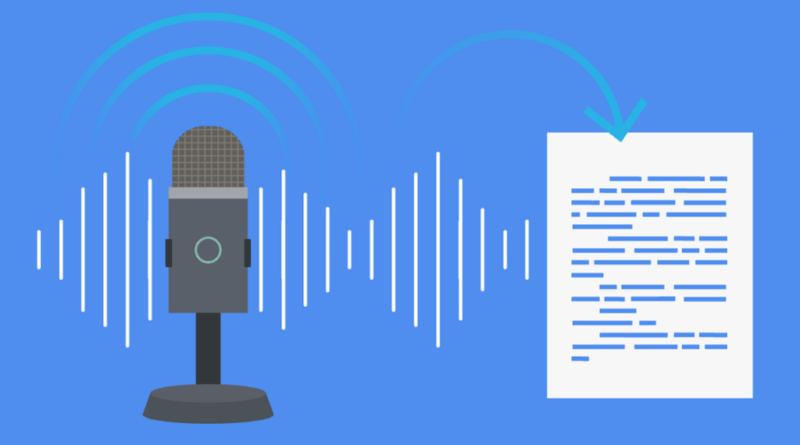
A quote you only half remember is a quote you cannot responsibly publish. Getting a conversation onto the page is what turns a wall of sound into material a writer can shape. Once you convert a recording from audio to text, you can see the exact phrasing a designer used instead of approximating it, keep two speakers straight through a fast crossover, and lift the line that carries the whole piece without rewinding four times to be sure of it.
The gain is not only speed, though the speed is real — checking a quote against a transcript takes a minute where checking it against raw audio takes an afternoon. The deeper gain is fidelity. When the words are in front of you, you are reporting what was said rather than what you think you heard, and in culture writing that distinction is the whole job.
The Story Isn’t Only in the Room
An event no longer ends when the doors close. It carries on across everyone’s phones — the guests, the creators, the people reacting from outside who never got in. For a writer trying to capture not just what happened but how it actually landed, that afterlife is part of the story, sometimes the more revealing part.
The trouble is that you cannot quote a clip you can only watch. When you get a TikTok video’s transcript, a video that is making the rounds turns into something you can read, cite, and represent faithfully — the words someone genuinely used about the collection, not your paraphrase of a fifteen-second blur seen once at speed. It lets a writer fold the online conversation into the piece with the same care given to a quote from the room, instead of gesturing vaguely at what “people online were saying.”
From Voices to a Finished Page
Once everything is text, the piece tends to assemble faster than you would expect. Quotes fall into place, the structure surfaces on its own, and the strongest lines are visible on the page rather than buried three-quarters of the way through a file. The story that was scattered across a recorder and a camera roll finally has one place to live.
There is a quieter, longer payoff too. A transcript is searchable in a way a recording never will be, so the interview you file this week does not vanish once it publishes. When the same designer resurfaces next season, or the same theme comes back around, the exact words are a search away. Writers who hold on to their transcripts slowly build a private archive of the city’s voices — and that archive keeps paying off long after the deadline that produced it.
A Few Notes from People Who File on Deadline
None of this needs a complicated system. A handful of habits carry most of the weight:
- Transcribe before you sleep. The context is sharpest the night of the event, not three days later when the details have blurred.
- Read it against the room. Check the transcript against your memory while it is fresh, and flag anything you are not certain you heard right.
- Keep the clips, not just the links. What circulates after an event is reporting material, so save the words while they are easy to pull.
- Name and date everything. A transcript you cannot find in six months is a story you cannot build on.
The Craft Underneath
Writing about culture has always come down to listening well. What has changed is the sheer volume of talk a single night now produces, and the plain impossibility of keeping it all in a notebook. The writers who make it look effortless are not hearing more than everyone else. They have simply found a way to read what they heard — to turn a night’s worth of voices into text they can search, quote, and trust. Do that, and the story that felt hopelessly scattered an hour ago is suddenly sitting right there, waiting to be written.