Understanding the Importance of Treating Anxiety Before It Affects Daily Life
Anxiety is one of the most common mental health concerns affecting people of all ages. While occasional stress and worry are normal parts of life, persistent anxiety that interferes with work, relationships, sleep, or everyday responsibilities may signal an anxiety disorder. Recognizing the signs early and seeking professional support can make a significant difference in both emotional well-being and overall quality of life.
What Is Anxiety?
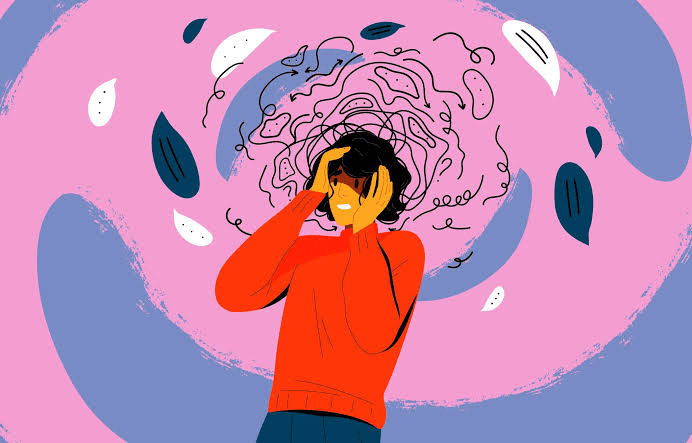
Anxiety is the body’s natural response to stress or perceived danger. It can be helpful in certain situations, providing motivation and alertness. However, when anxious thoughts become excessive or difficult to control, they can begin to affect a person’s physical and emotional health.
Individuals experiencing chronic anxiety may notice symptoms such as:
- Persistent worry or fear
- Restlessness or feeling on edge
- Difficulty concentrating
- Irritability
- Muscle tension
- Trouble sleeping
- Increased heart rate
- Digestive problems
- Fatigue
These symptoms may vary in intensity and can sometimes occur without an obvious cause.
Common Types of Anxiety Disorders
Mental health professionals recognize several forms of anxiety disorders. Some of the most common include:
Generalized Anxiety Disorder
Generalized Anxiety Disorder (GAD) involves excessive worry about daily life, finances, work, family, or health. People with GAD often find it difficult to relax and may constantly anticipate worst-case scenarios.
Panic Disorder
Panic disorder is characterized by sudden episodes of intense fear known as panic attacks. Symptoms can include chest pain, shortness of breath, dizziness, sweating, and a feeling of losing control. Because these symptoms can mimic medical emergencies, panic attacks are often frightening experiences.
Social Anxiety Disorder
Social anxiety disorder causes overwhelming fear of being judged, embarrassed, or rejected in social situations. This condition may lead individuals to avoid gatherings, presentations, or even routine interactions.
Specific Phobias
Phobias involve intense fear of certain objects, situations, or activities. Common examples include fear of flying, heights, spiders, or enclosed spaces.
The Connection Between Anxiety and Physical Health
Mental and physical health are closely linked. Prolonged anxiety can contribute to headaches, gastrointestinal problems, sleep disturbances, high blood pressure, and weakened immune function. Chronic stress may also increase the risk of depression and other mental health conditions.
Because anxiety symptoms often overlap with physical illnesses, many people initially seek help from primary care physicians before recognizing that emotional factors may be contributing to their symptoms.
Effective Treatment Options
The good news is that anxiety disorders are highly treatable. A personalized treatment plan often produces meaningful improvements and helps individuals regain confidence and control.
Medication Management
Psychiatrists may prescribe medications to help regulate mood and reduce symptoms. Common options include selective serotonin reuptake inhibitors (SSRIs) and other medications tailored to the patient’s needs and medical history.
Psychotherapy
Talk therapy, particularly Cognitive Behavioral Therapy (CBT), has proven highly effective for anxiety disorders. CBT helps individuals identify unhealthy thought patterns and replace them with healthier coping strategies.
Lifestyle Changes
Simple lifestyle adjustments can complement professional treatment and support emotional wellness. These include:
- Maintaining regular sleep habits
- Exercising consistently
- Limiting caffeine and alcohol
- Practicing mindfulness techniques
- Developing healthy routines
- Building strong social connections
Even small changes can provide noticeable benefits over time.
When Should You Seek Professional Help?
Many people delay treatment because they believe anxiety is something they should simply manage on their own. However, seeking help is a sign of strength, not weakness.
Professional evaluation may be beneficial if anxiety:
- Interferes with work or school performance
- Causes strain in relationships
- Leads to avoidance of activities
- Produces frequent panic attacks
- Impacts sleep or physical health
- Creates persistent feelings of fear or dread
Working with a qualified mental health professional allows individuals to receive an accurate diagnosis and explore treatment options tailored to their unique needs.
Those looking for compassionate, evidence-based care may benefit from consulting a psychiatrist in Fishers Indiana who can provide medication management, thorough evaluations, and ongoing support designed to help patients achieve long-term emotional wellness.
Moving Forward with Confidence
Anxiety disorders are common, but they do not have to control a person’s life. Early recognition and appropriate treatment can help individuals regain peace of mind, improve relationships, and enjoy a healthier, more balanced future. With the right support and a commitment to recovery, many people find that lasting improvement is not only possible—it is achievable.