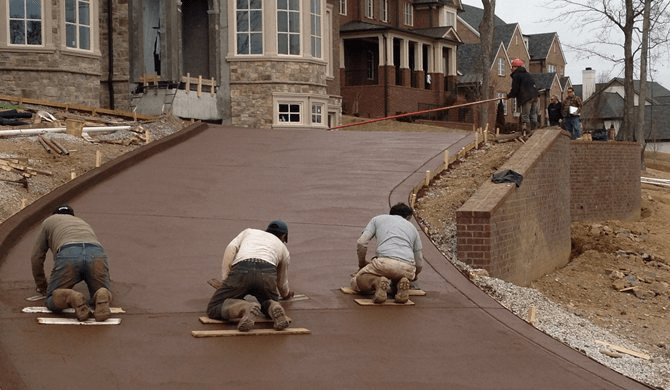
How to Prevent Concrete Driveways From Cracking in Hot & Wet Climates
Concrete is notoriously strong, but it has two major weaknesses: extreme heat and heavy moisture. When you live in a region that experiences both, your driveway takes a serious beating. The constant cycle of heating up, expanding, getting soaked, and cooling down puts immense stress on the solid surface. Over time, this daily weather stress leads to unsightly surface cracks and deep structural fractures that ruin your curb appeal.
By taking the right preventative measures during the initial installation and committing to a few simple routine maintenance tasks, you can protect your investment. This guide breaks down exactly how to safeguard your driveway against harsh environmental elements so it stays smooth and functional for decades.
Understand the Climate Threat
Before you can protect your concrete, it helps to understand why the weather damages it. Concrete is a porous material. It acts like a giant, dense sponge that absorbs water when it rains. In a wet climate, moisture constantly seeps into the microscopic pores of your driveway.
When the sun comes out and temperatures spike, the concrete absorbs the heat. This heat causes the material to expand. If the concrete is completely saturated with water, the moisture inside heats up and creates internal pressure. As the temperature drops again at night, the concrete contracts. This endless cycle of expanding and contracting forces the concrete to shift. Without the right preparation, the material eventually gives way, resulting in jagged cracks across your driveway.
Proper Site Preparation and Professional Installation
The secret to a durable driveway starts long before the cement trucks arrive. The ground underneath your driveway, known as the subgrade, must be perfectly graded and heavily compacted. If the soil is loose or uneven, water will pool underneath the concrete, eroding the support system and causing the heavy slab to sink and crack.
Who’s doing the work matters when you want a flawless, long-lasting driveway that enhances your home’s curb appeal and easily survives blistering sun and torrential rain without needing constant, expensive repairs down the road. A skilled contractor will evaluate your soil type, set up proper drainage slopes, and install a sturdy base of crushed gravel to keep water flowing away from the concrete. They will also lay down a robust grid of steel rebar or wire mesh to hold the concrete together during massive temperature shifts.
Choose the Right Concrete Mix
Not all concrete is created equal. The specific blend of materials used for your driveway plays a massive role in its ability to resist cracking. In areas that deal with scorching heat and heavy rainfall, you need a mix designed for durability.
Ask your contractor about using a mix with a low water-to-cement ratio. While adding extra water makes the concrete easier to pour and spread, it creates a weaker final product that shrinks significantly as it dries. This shrinkage is a leading cause of early cracking. Additionally, incorporating synthetic fibers into the mix can provide secondary reinforcement. These tiny fibers weave throughout the concrete, holding it tightly together and preventing tiny micro-cracks from turning into large, visible fissures.
Master the Pouring and Curing Process
Hot weather creates a highly challenging environment for pouring concrete. If the temperature is too high, the moisture in the concrete evaporates too quickly. This rapid drying leads to severe shrinkage cracks before the driveway is even ready to be driven on.
To combat the heat, contractors often schedule the pour for the early morning before the sun reaches its peak. Once the concrete is poured and finished, the curing process begins. Curing is the chemical process by which concrete hardens and gains its strength. To prevent the surface from drying out too fast, you must keep it moist. This can be done by applying a liquid curing compound, covering the surface with wet burlap, or continually misting the driveway with a hose for several days. A slow, controlled cure results in a significantly stronger driveway.
Install Strategic Control Joints
Even with the best mix and a perfect cure, concrete will still expand and contract. Because you cannot stop this natural movement, you have to control it. This is done by cutting control joints into the surface of the driveway.
Control joints are planned, and straight cuts are made into the concrete slab. They act as designated weak points. When the concrete inevitably shrinks and shifts, it will crack cleanly down the inside of the control joint rather than spiderwebbing randomly across the surface. For maximum effectiveness, these joints should be cut deep enough—usually a quarter of the total slab thickness—and spaced correctly based on the driveway’s overall dimensions.
Apply a High-Quality Waterproof Sealer
Once your new driveway has fully cured—which typically takes about 30 days—your next line of defense is a high-quality concrete sealer. Because concrete is porous, a sealer acts as an invisible shield that blocks rain, humidity, and lawn runoff from penetrating the surface.
For hot and wet climates, a penetrating silane-siloxane sealer is highly recommended. Unlike topical sealers that just sit on the surface and eventually peel away under the hot sun, penetrating sealers soak deep into the concrete pores. They create a chemical barrier that repels water from the inside out while still allowing the concrete to breathe. To keep your driveway protected year after year, plan to reapply a fresh coat of sealer every two to three years.
Maintain Proper Yard Drainage
Your driveway’s survival depends heavily on the landscape surrounding it. If your yard slopes down toward your driveway, every heavy rainstorm will wash a river of water over the concrete and along the edges. Over time, this rushing water erodes the soil supporting the sides of the slab, causing the edges to snap off under the weight of your vehicles.
Take time to evaluate your yard’s drainage. Make sure your gutters and downspouts direct rainwater far away from the concrete. If necessary, install a French drain along the perimeter of the driveway to catch excess runoff and channel it safely into the street or a designated drainage area.
Keep Your Driveway Looking New
Preventing concrete from cracking in a harsh climate requires a proactive approach from day one. By prioritizing proper site preparation, demanding a strong mix, ensuring a slow cure, and keeping up with regular sealing, you can enjoy a pristine driveway for decades. Don’t let the heat and rain destroy your home’s exterior.
When the time comes to install a new driveway or replace a damaged one, working with an experienced concrete contractor ensures the project is built to last through the toughest weather conditions your climate can throw at it.