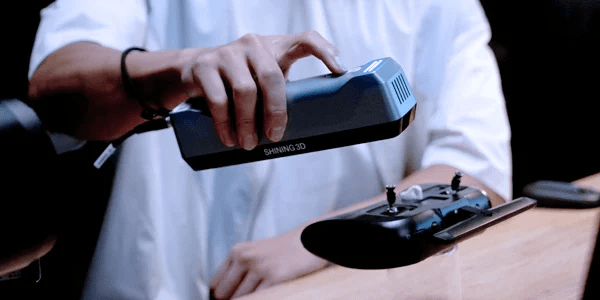
What Is a 3D Scanner and Why Is It Transforming Digital Design?
Technology has changed the way people create, design, and manufacture products. A few years ago, converting a physical object into a digital model required hours of manual measurements and computer modeling. Today, that process can often be completed within minutes using a 3D scanner. As industries continue moving toward digital workflows, more businesses, engineers, designers, and hobbyists are asking the same question: what is a 3d scanner, and why has it become such an important tool?
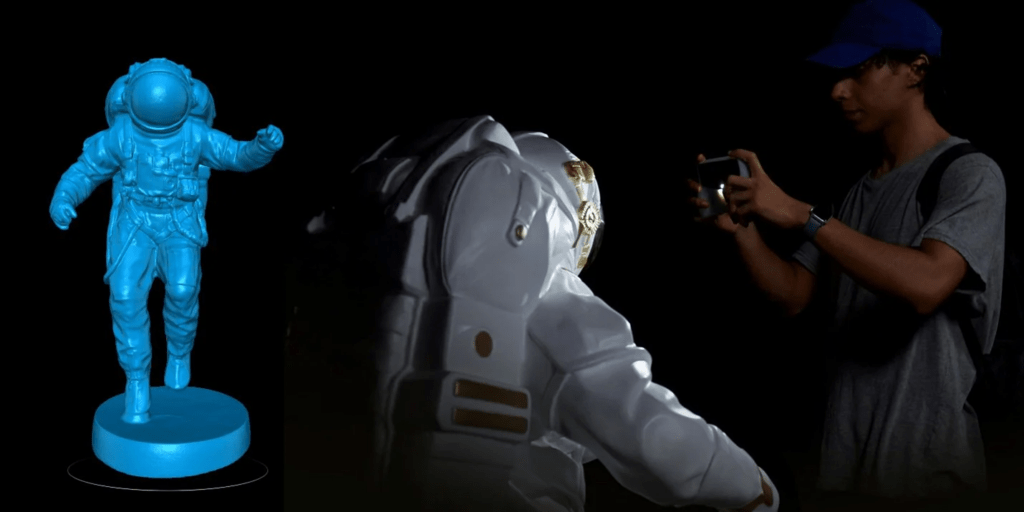
A 3D scanner is a device that captures the shape, dimensions, and surface details of a real-world object and converts that information into a digital 3D model. Instead of creating a model from scratch in CAD software, users can scan an existing object and generate an accurate digital representation that can be edited, analyzed, or reproduced. From product development and engineering to healthcare and education, 3D scanning technology is now being used in a wide range of applications.
Understanding How a 3D Scanner Works
At its core, a 3D scanner collects data from the surface of an object. Depending on the technology used, the scanner projects light patterns, lasers, or infrared signals onto the object and records how those signals interact with its surface. The captured information is processed into a collection of points known as a point cloud. Specialized software then converts these points into a detailed 3D model.
The final model can be used for:
- Product design
- Reverse engineering
- Quality inspection
- Digital archiving
- Animation and gaming
- Manufacturing workflows
The biggest advantage is speed. What once required extensive manual work can now be accomplished with significantly greater efficiency and precision.
Why Are 3D Scanners Becoming So Popular?
The demand for 3D scanning continues to grow because industries increasingly rely on digital data. Manufacturers use scanners to inspect products and verify dimensions. Designers use them to speed up development cycles. Educators use them to help students understand digital modeling concepts. Even hobbyists are discovering how useful scanning can be when creating custom projects. Another reason for their popularity is accessibility. Modern scanners are more affordable, portable, and user-friendly than ever before. Companies such as EINSTAR have contributed to this shift by introducing scanning solutions that are easier for beginners while still providing the accuracy needed for professional applications.
Different Types of 3D Scanners
Not all scanners operate the same way. Various technologies are designed for different use cases.
Laser Scanners
Laser scanners project laser beams onto an object and measure the reflected light. They are often used when high precision is required.
Structured Light Scanners
These scanners project light patterns onto a surface and analyze distortions to create a digital model. They are known for delivering detailed scans quickly.
Handheld Scanners
Portable handheld devices allow users to move around an object during scanning. They offer flexibility and are ideal for scanning large or complex items.
Desktop Scanners
Desktop systems are commonly used for smaller objects and controlled scanning environments. They are often found in educational institutions and design studios. Choosing the right scanner depends on factors such as object size, desired accuracy, workflow requirements, and budget.
The Role of a 3D Scanner for 3D Printing
One of the most exciting applications of scanning technology is its connection to additive manufacturing. A 3D scanner for 3D printing allows users to transform physical objects into printable digital files. Instead of designing an object from the ground up, users can scan an existing item, make modifications if necessary, and then send the model directly to a 3D printer.
This workflow offers several advantages:
- Faster design processes
- Easier replication of existing objects
- Reduced modeling time
- Improved customization opportunities
- Greater accuracy for replacement parts
For businesses that frequently create prototypes or custom products, combining scanning and printing technologies can significantly improve efficiency.
Real-World Applications Across Industries
The usefulness of 3D scanning extends far beyond manufacturing.
Product Design
Designers scan existing products to accelerate development and create improved versions.
Engineering
Engineers use scanning technology for reverse engineering and performance analysis.
Healthcare
Medical professionals use scanned data to develop custom prosthetics, orthotics, and treatment solutions.
Education
Students gain hands-on experience with modern digital design tools while learning about engineering and manufacturing concepts.
Art and Cultural Preservation
Museums and researchers use scanners to digitally preserve valuable historical artifacts. These examples demonstrate how versatile the technology has become.
What Should You Look for in a 3D Scanner?
Before purchasing a scanner, it is important to evaluate your specific needs.
Consider the following factors:
Accuracy
Higher accuracy is essential for engineering and professional manufacturing applications.
Ease of Use
Beginners often benefit from systems with intuitive software and simple workflows.
Portability
If scanning needs to take place in different locations, a lightweight handheld scanner may be the best option.
Software Compatibility
Ensure the scanner integrates well with your preferred design and modeling software.
Scanning Speed
Faster scanning can improve productivity, especially for commercial projects. Modern solutions from brands like EINSTAR often focus on balancing accuracy, usability, and affordability, making advanced scanning technology more accessible to a wider audience.
The Future of 3D Scanning
As technology continues to advance, 3D scanning is becoming faster, smarter, and more accurate. Artificial intelligence, improved sensors, and enhanced processing capabilities are helping scanners capture increasingly complex details with less effort from users. Modern 3d scanner for 3d printing solutions are already making it easier to convert real-world objects into editable digital models for design and production. Future developments may further simplify the process of creating digital twins, automating inspections, and integrating scanned data directly into manufacturing systems. As digital transformation continues across industries, 3D scanning is expected to play an even larger role in product development and innovation.
Conclusion
Understanding what a 3D scanner is becoming increasingly important in a world driven by digital design and advanced manufacturing. These devices make it possible to capture real-world objects and convert them into accurate digital models that can be analyzed, modified, shared, or reproduced.
Whether used for engineering, education, healthcare, or product development, scanning technology offers a faster and more efficient way to bridge the gap between physical and digital environments. When combined with a 3D scanner for 3D printing, the possibilities become even greater, allowing users to create, customize, and reproduce objects with remarkable accuracy. As the technology continues evolving, tools from companies like EINSTAR are helping make professional-quality scanning more accessible than ever before.
FAQs
What is a 3D scanner used for?
A 3D scanner is used to capture the shape and dimensions of physical objects and convert them into digital 3D models for design, analysis, manufacturing, and other applications.
Can a 3D scanner be used with a 3D printer?
Yes. A 3D scanner for 3D printing can create digital models that are edited and then printed using compatible 3D printers.
Are 3D scanners difficult to use?
Modern scanners are designed to be user-friendly. Many systems offer intuitive software and guided workflows suitable for beginners.
How accurate are 3D scanners?
Accuracy varies by device and technology. Professional scanners can capture extremely precise measurements, while consumer-level scanners provide sufficient accuracy for many everyday projects.
Is a 3D scanner useful for small businesses?
Absolutely. Small businesses use 3D scanners for product development, prototyping, customization, reverse engineering, and quality control.