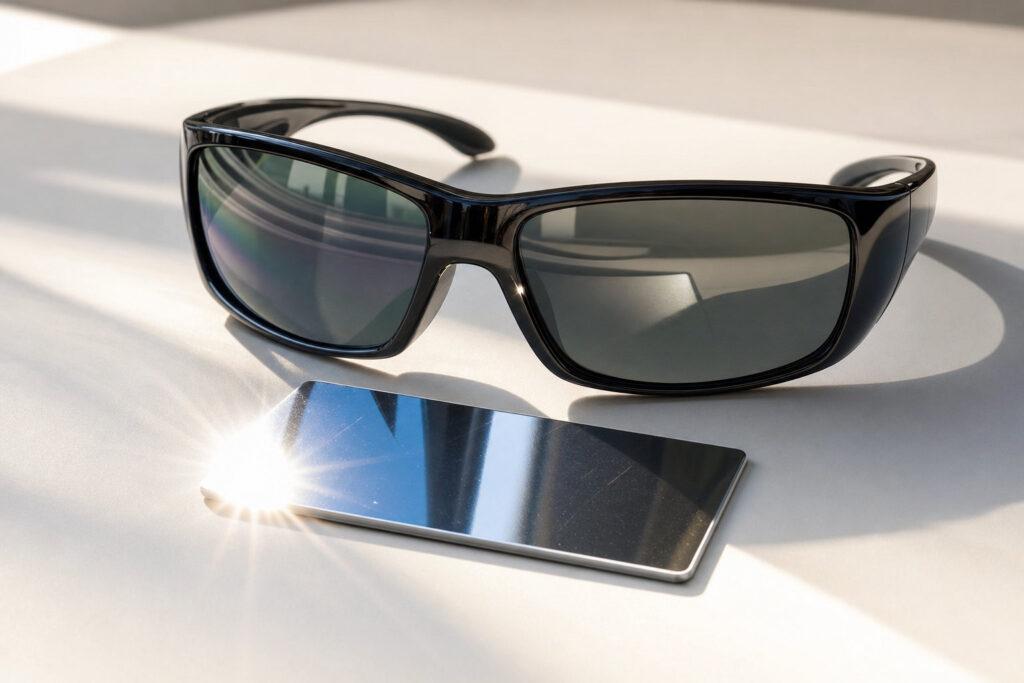
Anti-glare sunglasses: what actually works and why most pairs fall short
Not every pair of sunglasses delivers true anti-glare protection, even if they promise relief from bright or reflective conditions. Many styles focus on darkness or fashion, but neglect features that make a real difference in managing glare. To understand what really works, it’s crucial to look at how anti glare sunglasses technology functions and why many sunglasses fail to address the underlying problem.
For those seeking comfort and clarity outdoors, the search for effective anti glare sunglasses often leads to disappointment. While many people simply choose darker lenses, this approach ignores the science behind glare reduction and why most sunglasses only partially solve the problem. The effectiveness of glare reducing sunglasses depends on how well they address specific types of light, rather than just dimming overall brightness. Understanding these nuances is essential when deciding which sunglasses genuinely mitigate glare, and which merely change your perception without real benefit.
Understanding glare: the real source of eye discomfort
Glare results from excessive or scattered light reflecting off surfaces such as water, glass, or pavement, overwhelming your eyes and reducing visual comfort. While overcast skies can disperse light and intensify glare on pale surfaces, the strongest effects often come from direct or reflected sunlight in bright environments, where sunglasses that reduce glare can noticeably improve ease of seeing.
Most sunglasses offer relief from overall brightness but fall short in environments with intense reflective glare. This is because they usually lack the ability to selectively filter the specific wavelengths responsible for discomfort. For individuals who are sensitive to light—such as those with cataracts or recent eye surgery—finding the best sunglasses for glare can have a significant impact on visual comfort throughout the day.
Why darkness isn’t enough: limitations of traditional lenses
A common misconception is that the darkest sunglasses will always provide the best glare reduction. In reality, the degree of lens darkness, typically described by visible light transmission (VLT), only decreases total light intensity, not glare itself. Without targeting the irritating wavelengths behind glare, even deeply tinted lenses may leave your eyes fatigued in challenging light conditions, which is why best anti glare sunglasses prioritize filtration over darkness.
For example, when moving from sun-filled streets to shaded cafés or driving at dusk, traditional tinted sunglasses may actually impede clarity rather than enhance it. The solution for many people lies in advanced filtration technology, where sunglasses selectively block or reflect the critical parts of the spectrum that create glare, rather than just dimming all light. This distinction is especially important for anyone experiencing heightened discomfort from glare in their daily routines and comparing sunglasses that reduce glare in mixed lighting.
The importance of selective wavelength filtration and lens tints
Effective anti-glare sunglasses use tints and coatings designed to filter problematic wavelengths without overly distorting color perception. Gray lenses maintain natural color balance and are reliable for general use in strong sunlight, while brown or copper tints can improve contrast, especially in low-light or overcast settings. This technology helps explain why best sunglasses for glare often rely on carefully tuned tint profiles instead of simply darker lenses.
Some modern anti-glare sunglasses employ selective wavelength filtration by integrating dye or reflective coatings that address the most troublesome parts of the spectrum. This technique provides comfort in environments like busy intersections, lakesides, or offices with harsh lighting. Those particularly sensitive to glare, such as patients after cataract surgery or individuals with retinal conditions, find these advanced tints far more effective than plain dark shades, and anti glare sunglasses with targeted filtration can offer relief and improved visibility where it matters most.
Polarization, coatings, and smart frame design: what actually helps
Polarized lenses are often considered the standard for anti-glare sunglasses because they block horizontal light waves reflected from flat surfaces like water, roads, or glass. However, polarization does not always address diffuse or scattered glare, such as that experienced in fog or from overhead sources. Advanced anti-glare glasses combine polarization with coatings that further manage reflected and stray light, and best anti glare sunglasses typically balance these features for consistent performance.
Features like mirror coatings and anti-reflective treatments can reduce reflections both on and inside the lens. Equally important is frame design: wraparound shapes and larger lenses provide greater peripheral protection, helping to minimize direct and ambient glare from all angles. This combined approach makes anti-glare sunglasses far more effective in handling the broad range of real-world light challenges than fashion-driven or overly simplistic alternatives, and best sunglasses for glare often include these practical design choices.
Choosing truly effective anti-glare sunglasses means focusing on proven technologies, such as polarization and selective wavelength filtration, as well as considering the environments where glare strikes hardest. Carefully selected tints, advanced coatings, and smart frame choices ensure better comfort and visibility, and best anti glare sunglasses can make a marked difference, while most generic options still leave much to be desired for people who need sunglasses that reduce glare.