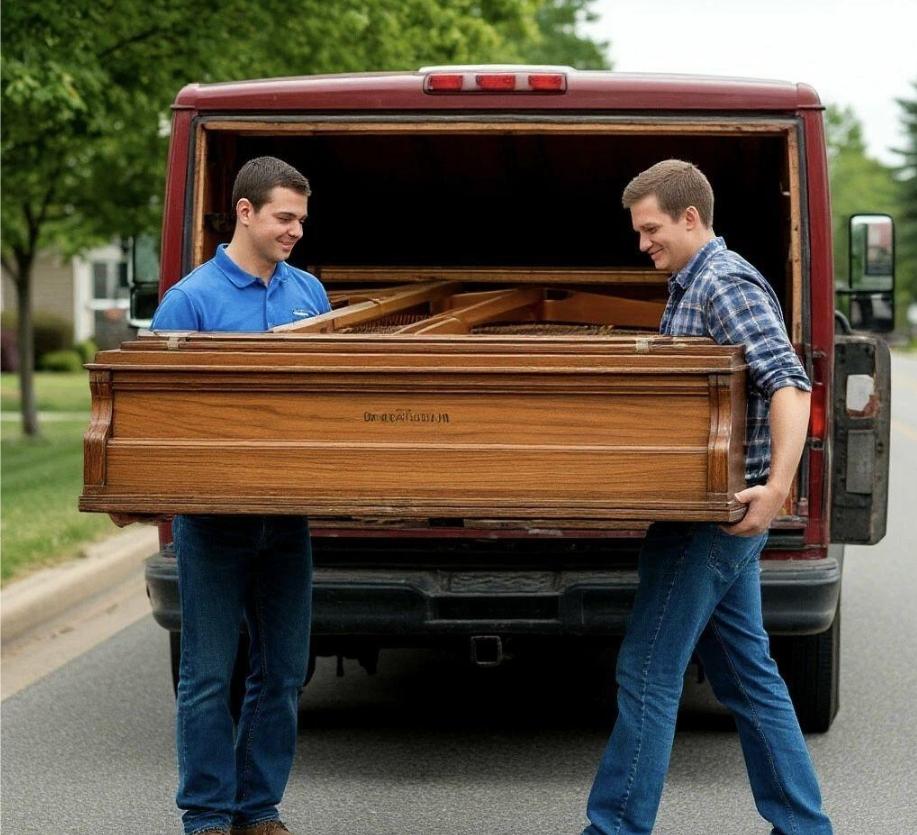
The Professional’s Toolkit: Essential Equipment for Safe Piano Transport
Moving a piano is not a task for amateurs. Whether you own a delicate upright or a massive concert grand, the thought of transporting it can be daunting. The sheer weight, delicate internal mechanics, and awkward size make it a high-risk operation. This is precisely why thousands of homeowners and businesses turn to professional piano moving services each year. These experts don’t just rely on brute strength; they rely on a specialized arsenal of tools designed to protect your valuable instrument from the moment it leaves your home until it’s safely placed in its new location. Understanding this equipment will not only reassure you that your piano is in capable hands but also help you identify a truly professional operation.
In this comprehensive guide, we will pull back the curtain on the professional mover’s toolkit. We will explore every piece of gear, from the obvious to the obscure, explaining how each item contributes to a safe, efficient, and damage-free move. By the end, you will understand exactly what separates a professional piano moving company from a general moving crew, and why the investment in specialized equipment is non-negotiable for the safety of your instrument.
The Foundation: Piano Skids and Boards
The first and most critical piece of equipment is the piano skid. This is not a simple wooden pallet. A professional skid is a heavy-duty, custom-built platform designed to cradle the piano’s base. For upright pianos, it’s a flat board with a lip to secure the casters. For grand pianos, it’s a more complex structure that supports the instrument in its playing position or on its side. The skid serves three primary purposes: it distributes the piano’s immense weight (a grand can weigh over 1,000 pounds), provides a stable base for lifting, and protects the bottom of the piano from dirt and impact. Without a proper skid, the piano’s legs or case could be easily damaged.
Lifting and Maneuvering: The Power of the Dolly
Once the piano is on its skid, the next challenge is moving it. Professionals use specialized dollies that are vastly different from a standard furniture dolly. The most common is a piano dolly, which features a low, wide platform and large, soft-rubber wheels. These wheels are critical; they provide excellent grip and prevent damage to hardwood floors or carpets. For grand pianos, a special grand piano dolly is used. This dolly has a rotating head that allows the piano to be turned in tight spaces without strain. The dolly’s wheels are often swivel casters for maximum maneuverability in hallways and elevators. A professional crew will never drag a piano; they always roll it on a proper dolly.
Protective Gear: Padding, Blankets, and Shrink Wrap
Protecting the piano’s finish is a top priority. The professional’s primary defense is high-quality moving blankets, specifically piano pads. These are not the thin blankets you might rent from a truck company. Piano pads are thick, multi-layered, and often quilted to provide maximum cushioning. They are also specially shaped to wrap around the piano’s curved edges and corners. Before any blanket is applied, the piano is often wrapped in a layer of stretch wrap or shrink wrap. This plastic layer acts as a moisture barrier and prevents the blankets from scratching the high-gloss finish. For grand pianos, a specialized piano cover is used to protect the lid and the delicate soundboard inside. The combination of wrap and padding creates a cocoon of protection against bumps, scratches, and dust during the journey. When you hire a piano moving company that invests in this level of protective gear, you can be confident that your instrument’s finish is in safe hands.
Specialized Tools for the Grand Piano
Moving a grand piano requires a unique set of tools that most people have never seen. The most iconic is the piano leg truck. This is a small, wheeled platform that is slid under the piano’s legs to allow it to be moved in its upright position. Another critical tool is the piano skid board for a grand. The grand piano is typically moved on its side, resting on its rim. A special skid with a padded cradle holds the piano securely in this position. To get the piano onto the skid, professionals use piano straps and lifting harnesses. These are heavy-duty nylon straps that are wrapped around the piano’s frame. The crew uses these straps to lift the piano in a coordinated, controlled manner, distributing the weight evenly. For the actual lifting onto the truck, a piano ramp or a hydraulic lift gate is used. A ramp provides a gentle incline, while a lift gate is a motorized platform on the back of the truck that raises the piano to the truck bed level, eliminating the need for manual lifting.
Environmental Control: The Climate-Contained Truck
Beyond the tools inside the truck, the truck itself is a critical piece of equipment. Professional piano movers use trucks with air-ride suspension. This system uses airbags instead of steel springs, dramatically reducing the vibrations and shocks transmitted to the piano during transit. For a piano’s delicate tuning pins and soundboard, this is non-negotiable. Additionally, the truck should be climate-controlled to protect the piano from extreme temperature and humidity changes, which can cause the wood to crack or the strings to detune. A professional piano moving company will never transport a piano in an open or non-suspension truck.
Conclusion: The Value of Professional Expertise
As you can see, moving a piano is a symphony of specialized equipment, from the skid and dolly to the climate-controlled truck. Each tool serves a precise purpose, working in concert to ensure your instrument arrives in perfect condition. While it might be tempting to save money by using a general moving crew, the risk of damage to your piano—and your property—is simply too high. The investment in professional piano moving services is an investment in the longevity and value of your instrument. When you choose a company that uses this professional-grade equipment, you are choosing peace of mind. For your next move, do not hesitate to contact a specialized team for a consultation and a precise quote. Your piano will thank you.