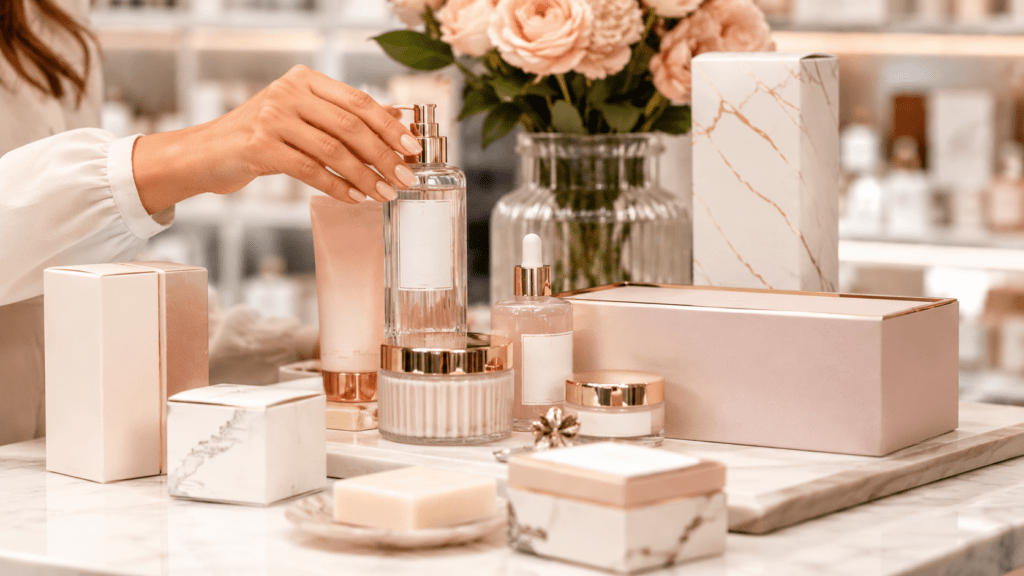
How Cosmetic Packaging Influences Beauty Product Sales and Brand Perception
In the beauty industry, packaging is more than a container. It is part of the product experience, part of the brand story, and often part of the buying decision itself. Before a customer opens a serum, tests a lipstick, smells a handmade soap, or uses a skincare cream, they first judge the product by how it looks and feels from the outside.
This is why cosmetic packaging plays such an important role in beauty product sales. A well-designed package can communicate quality, safety, style, sustainability, and emotional value in seconds. A poorly designed package, on the other hand, can make even a good product seem ordinary or forgettable.
For beauty brands competing in retail stores, online shops, boutiques, salons, and subscription boxes, packaging is one of the most powerful ways to build trust and influence customer perception.
Why Cosmetic Packaging Matters in the Beauty Industry
Beauty buyers are highly visual. They often respond to color, texture, shape, typography, finishes, and presentation before reading detailed product information. In many cases, packaging creates the first emotional connection between the customer and the brand.
Cosmetic packaging helps answer important questions:
- Is this product premium or affordable?
- Is it natural, clinical, luxury, playful, or minimalist?
- Is it suitable for gifting?
- Does the brand feel trustworthy?
- Does the product match the customer’s lifestyle?
When packaging answers these questions clearly, it becomes easier for customers to understand the value of the product.
For small and growing beauty brands, packaging can be especially important because customers may not already know the brand name. The package has to work harder to create recognition, explain the product, and encourage the first purchase.
Packaging Creates the First Impression
First impressions matter in beauty. A customer may see a cosmetic product on a store shelf, in a social media post, on a vanity table, or inside an online order. In each situation, packaging influences how the product is perceived.
Clean, polished packaging can make a product feel professional. Soft colors and natural textures can make skincare or soap products feel gentle and organic. Metallic finishes, embossing, or rigid structures can create a luxury impression. Bright colors and playful graphics may work well for youthful or trend-driven beauty brands.
The key is alignment. Packaging should match the product, price point, and target customer. A luxury skincare product in weak or generic packaging may feel less valuable. A natural handmade product in overly glossy packaging may feel less authentic. A minimalist brand with cluttered packaging may confuse customers.
The best cosmetic packaging creates a clear and consistent impression from the first glance.
Packaging Helps Beauty Products Stand Out on the Shelf
Retail shelves are crowded. Beauty products often compete with many similar items in the same category. A customer may compare multiple moisturizers, soaps, candles, oils, perfumes, or makeup products before choosing one.
Packaging helps a product stand out by using:
- Readable product names
- Clear front-panel design
- Strong brand colors
- Distinctive shapes
- Premium textures
- Window cutouts, where useful
- Simple benefit statements
- Consistent logo placement
Shelf appeal does not mean the packaging has to be loud. Some beauty brands stand out through minimal design, while others use bold colors or artistic illustrations. What matters most is that the packaging is noticeable, easy to understand, and memorable.
A customer should be able to quickly identify what the product is, who it is for, and why it is different.
Good Packaging Builds Customer Trust
Beauty products are personal. Customers apply them to their skin, hair, lips, hands, or body. Because of that, trust is essential.
Packaging can help build trust by presenting information clearly and professionally. This includes ingredients, usage instructions, product benefits, warnings, size, brand details, and storage guidance where relevant.
A clean and organized package suggests that the brand pays attention to detail. Poor printing, unclear labels, weak material, or confusing design may create doubt.
Trust is especially important for skincare, handmade soap, essential oils, CBD beauty products, and wellness-focused items. Customers want to feel confident that the brand understands quality, safety, and presentation.
For example, handmade skincare and bath brands often use custom soap boxes to present ingredients, scent details, brand identity, and eco-friendly messaging in a way that feels more polished and retail-ready.
Packaging Communicates Brand Identity
Cosmetic packaging is one of the clearest expressions of a beauty brand’s identity. It shows the customer what the brand stands for without requiring a long explanation.
A luxury brand may use rigid materials, matte textures, metallic foil, magnetic closures, and elegant typography. A natural skincare brand may use kraft paper, soft earth tones, botanical illustrations, and recyclable materials. A modern clinical brand may use white space, clean fonts, and simple product claims. A playful beauty brand may use bright colors, creative shapes, and bold patterns.
When packaging is consistent across product lines, it helps customers recognize the brand more easily. This is important for brands selling multiple products such as soaps, oils, creams, candles, bath sets, and gift boxes.
Consistent packaging can make a small brand look more established and professional.
Packaging Influences Perceived Product Value
Customers often use packaging quality as a signal of product quality. This is especially true in beauty, where presentation is closely connected to desire, self-care, and lifestyle.
A premium product should feel premium before it is opened. Strong materials, accurate sizing, smooth finishes, and thoughtful details can make customers feel that the product is worth the price.
For high-end beauty sets, fragrance products, skincare kits, or luxury gift items, rigid boxes can help create a stronger sense of value because they offer structure, durability, and a more refined unboxing experience.
This does not mean every beauty product needs expensive packaging. The material should match the product’s positioning. A handmade soap brand may look better in simple kraft packaging than in glossy luxury packaging. A prestige skincare brand may need a more polished structure to support its price point.
The goal is to make the packaging feel appropriate for the product’s value.
The Role of Color in Cosmetic Packaging
Color has a strong influence on beauty packaging. It can suggest mood, purpose, ingredients, and brand personality.
Soft pinks, creams, and pastels may feel gentle and feminine. Green and brown tones often suggest natural or organic products. Black, white, gold, and deep jewel tones may feel luxurious. Blue and silver can suggest freshness, science, or cleanliness. Bright colors may communicate energy, youth, and trend appeal.
However, color should not be chosen only because it looks attractive. It should support the brand message and make the product easier to understand.
For example, a calming lavender soap may use soft purple tones. A charcoal skincare product may use black, gray, or minimal design. A citrus body oil may use warm yellow or orange accents. These visual choices help customers understand the product before reading the full label.
Typography and Readability Affect Buying Decisions
Beautiful packaging can fail if customers cannot read it. Typography matters because it controls how quickly customers understand the product.
A good cosmetic package should make the most important details easy to find. Product name, product type, key benefit, size, and brand name should be readable without effort.
Common typography mistakes include:
- Using too many fonts
- Choosing fonts that are hard to read
- Making text too small
- Using poor color contrast
- Crowding the front panel
- Making decorative text more important than product details
In beauty packaging, elegance and readability should work together. A package can look stylish while still being clear.
Packaging Supports the Unboxing Experience
For online beauty brands, the unboxing experience can influence repeat purchases, reviews, and social sharing. When a customer receives a product at home, packaging becomes part of the brand experience.
A strong unboxing experience may include:
- A sturdy box
- Neat product placement
- Protective inserts
- Branded tissue paper
- A thank-you card
- A product care note
- A clean interior design
- A premium opening feel
This does not need to be complicated. Even small details can make the customer feel that the brand cares. A clean and thoughtful package can turn a simple order into a memorable experience.
This is especially valuable for beauty products because customers often buy them for self-care, gifting, or personal enjoyment.
Packaging Can Improve Social Media Appeal
Beauty products are highly shareable. Customers, influencers, and creators often photograph products for Instagram, TikTok, Pinterest, and lifestyle blogs. Packaging that looks good on camera can help a product gain more attention.
Photo-friendly packaging usually has:
- Clean branding
- Attractive colors
- Balanced design
- Premium texture
- Recognizable shape
- Aesthetic consistency
- Strong product presentation
A beautiful package can encourage customers to share their purchase, especially when the product feels giftable or visually unique. This can support organic brand awareness without relying only on paid advertising.
For beauty brands, packaging is not just something customers throw away. It may appear in flat lays, vanity photos, bathroom shelves, unboxing videos, and product reviews.
Sustainability Matters to Modern Beauty Buyers
Many beauty customers now care about sustainability. They notice excessive plastic, oversized boxes, wasteful filler, and unclear recycling instructions. For brands that promote natural, clean, organic, or wellness-focused products, packaging choices must match the message.
Sustainable cosmetic packaging may include:
- Recyclable cardboard
- Kraft paper
- Minimal plastic
- Right-size boxes
- Reduced filler
- Reusable packaging
- Clear recycling instructions
- Eco-conscious printing options
Sustainability should be honest and practical. Brands should avoid vague claims if they cannot support them. Customers appreciate packaging that reduces waste without sacrificing quality or product protection.
For small beauty brands, even simple changes such as right-size boxes, recyclable materials, or reduced inserts can improve customer perception.
Packaging Protects the Product
Cosmetic packaging must look good, but it also has to protect the product. Beauty items can be fragile, sensitive to heat or moisture, or vulnerable to leakage and breakage.
Products such as glass bottles, oils, candles, soaps, creams, jars, and gift sets may need special attention. Poor protection can lead to damaged items, returns, refunds, and negative reviews.
Good packaging should consider:
- Product size
- Material strength
- Shipping distance
- Moisture exposure
- Breakage risk
- Leakage risk
- Stacking pressure
- Retail handling
A package that protects the product well helps maintain customer trust. The customer should receive the product in the same condition the brand intended.
Packaging Helps Tell the Product Story
Beauty customers often want to know the story behind a product. Is it handmade? Is it inspired by nature? Is it designed for sensitive skin? Is it part of a luxury self-care routine? Is it made for gifting?
Packaging can communicate this story through design, copy, materials, and structure.
For example, a natural soap brand may highlight handcrafted quality and botanical ingredients. A candle brand may focus on mood, fragrance, and home atmosphere. A skincare oil brand may emphasize nourishment, purity, and glow. A luxury beauty set may focus on elegance and gift value.
The story should be simple and believable. Packaging should not try to say everything at once. It should communicate the most important message clearly.
Common Cosmetic Packaging Mistakes Beauty Brands Should Avoid
Many beauty brands make packaging mistakes that weaken sales and brand perception. These include:
- Using generic boxes that do not reflect the brand
- Choosing materials that feel too cheap for the product
- Making labels difficult to read
- Overcrowding the design
- Ignoring shipping protection
- Using oversized packaging
- Making sustainability claims without real support
- Forgetting the unboxing experience
- Not matching packaging to the target customer
- Using inconsistent branding across product lines
Avoiding these mistakes can help beauty brands create packaging that feels more professional, trustworthy, and memorable.
How Beauty Brands Can Improve Their Packaging
Improving cosmetic packaging does not always require a complete redesign. Brands can start by reviewing the current package from the customer’s perspective.
Ask these questions:
- Does the packaging match the product’s price point?
- Is the brand name easy to recognize?
- Can customers understand the product quickly?
- Is the material strong enough?
- Does the packaging feel good to open?
- Is the design consistent with the brand identity?
- Does it look good in photos?
- Does it support retail and online selling?
Brands should also compare their packaging with competitors in the same category. The goal is not to copy others, but to understand what customers expect and where the brand can stand out.
Small improvements in material, sizing, print quality, color, or information layout can make a meaningful difference.
Final Thoughts
Cosmetic packaging has a direct influence on beauty product sales and brand perception. It helps customers form an opinion before they use the product. It affects shelf appeal, trust, product value, unboxing experience, social media appeal, and repeat purchase potential.
For beauty brands, packaging should not be treated as an afterthought. It should be part of the product strategy. The right packaging protects the product, reflects the brand, speaks to the target customer, and makes the buying experience more memorable.
In a competitive beauty market, customers may have many choices. Strong packaging can help a product earn attention, communicate value, and create the kind of first impression that leads to long-term brand loyalty.
Visit: The Techno Tricks