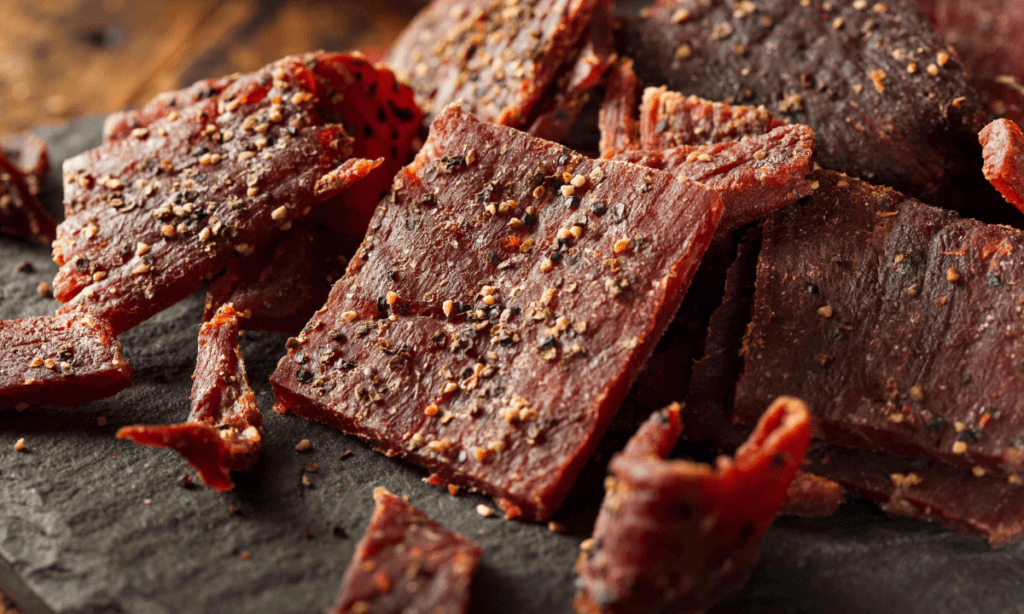
Beef Jerky: A Protein-Packed Snack with Flavor and Tradition
Beef jerky is one of the most popular high-protein snacks in the world. Known for its rich flavor, chewy texture, and long shelf life, beef jerky has become a favorite snack for hikers, athletes, travelers, and anyone looking for a convenient source of protein. From traditional recipes to modern gourmet flavors, beef jerky continues to grow in popularity across different cultures and lifestyles.
Originally created as a preservation method for meat, beef jerky has evolved into a premium snack available in supermarkets, specialty stores, and online markets. Whether homemade or store-bought, beef jerky offers a satisfying balance of taste, nutrition, and convenience.
What Is Beef Jerky?
Beef jerky is lean beef that has been trimmed, marinated, and dried to remove moisture. The drying process helps preserve the meat while concentrating its flavor. Traditional beef jerky is usually seasoned with salt, spices, and sometimes sweet or smoky ingredients.
The word “jerky” comes from the Quechua word “ch’arki,” which refers to dried meat. Ancient civilizations used drying and salting techniques to preserve meat for long journeys and survival during harsh conditions.
Today, beef jerky is made using modern dehydration or smoking methods while maintaining the same core purpose of preserving meat and enhancing flavor.
How Beef Jerky Is Made
The process of making beef jerky involves several important steps.
Selecting Lean Meat
Lean cuts of beef are preferred because they contain less fat. Excess fat can spoil faster and reduce shelf life. Common cuts used for beef jerky include top round, bottom round, flank steak, and sirloin.
Slicing the Meat
The beef is sliced into thin strips. Some people slice with the grain for a chewier texture, while others slice against the grain for softer bites.
Marinating
The meat is marinated to add flavor and tenderness. Popular marinade ingredients include soy sauce, Worcestershire sauce, garlic, black pepper, paprika, honey, brown sugar, and chili peppers.
Drying or Smoking
The marinated meat is dehydrated or smoked at low temperatures until most moisture is removed. This process can take several hours depending on thickness and cooking method.
Packaging
Commercial beef jerky is often vacuum-sealed to maintain freshness and extend shelf life.
Nutritional Benefits of Beef Jerky
Beef jerky is valued for its nutritional profile, especially among fitness enthusiasts and people following high-protein diets.
High in Protein
One of the biggest advantages of beef jerky is its high protein content. Protein supports muscle growth, recovery, and overall body function.
Low in Carbohydrates
Many beef jerky products are low in carbohydrates, making them suitable for keto and low-carb diets.
Portable and Convenient
Beef jerky does not require refrigeration before opening, making it an easy snack for road trips, hiking, camping, and busy schedules.
Rich in Nutrients
Beef jerky contains important nutrients such as iron, zinc, vitamin B12, and phosphorus.
Popular Types of Beef Jerky
Modern beef jerky comes in a variety of styles and flavors.
Traditional Beef Jerky
Traditional jerky focuses on smoky, salty, and peppery flavors with a classic chewy texture.
Sweet and Spicy Jerky
This variety combines sweetness with heat using ingredients like honey, brown sugar, chili flakes, and hot sauce.
Teriyaki Beef Jerky
Teriyaki jerky features a sweet and savory Asian-inspired flavor profile made with soy sauce, ginger, and garlic.
Smoked Beef Jerky
Smoked jerky is cooked over wood smoke to create a deep and rich flavor.
Gourmet and Craft Jerky
Premium jerky brands experiment with unique ingredients such as bourbon, maple syrup, ghost peppers, or exotic spice blends.
Homemade vs Store-Bought Beef Jerky
Both homemade and commercial beef jerky have their advantages.
Homemade Beef Jerky
Homemade jerky allows complete control over ingredients, flavors, and sodium levels. People can customize recipes according to their preferences and dietary needs.
However, making jerky at home requires preparation time, equipment, and proper food safety practices.
Store-Bought Beef Jerky
Commercial beef jerky is convenient and available in many flavors. It is professionally packaged and often has a longer shelf life.
Some store-bought products may contain preservatives, higher sodium levels, or added sugars, so reading nutrition labels is important.
Is Beef Jerky Healthy?
Beef jerky can be a healthy snack when consumed in moderation. Its high protein content makes it filling and satisfying. However, some products contain high amounts of sodium and preservatives.
Choosing jerky made with simple ingredients, lower sodium, and minimal additives can make it a better option for a balanced diet.
Grass-fed beef jerky and natural jerky products have also become increasingly popular among health-conscious consumers.
Best Ways to Enjoy Beef Jerky
Beef jerky is versatile and can be enjoyed in different ways.
- As a quick snack during travel
- After workouts for protein recovery
- During hiking and camping trips
- Added to trail mixes
- Served with cheese and crackers
- Included in charcuterie boards
Its portability and durability make it one of the most practical snacks available.
Tips for Storing Beef Jerky
Proper storage helps maintain freshness and flavor.
- Keep unopened packages in a cool, dry place.
- After opening, reseal tightly or store in an airtight container.
- Refrigerate after opening for longer freshness.
- Avoid exposure to heat and moisture.
Homemade jerky usually has a shorter shelf life than commercially packaged products.
Final Thoughts
Beef jerky remains one of the most popular protein snacks because of its flavor, convenience, and nutritional value. From traditional smoky recipes to bold gourmet varieties, there is a style of beef jerky for nearly every taste preference.
Whether you prefer homemade jerky or premium store-bought options, this classic snack continues to offer a satisfying combination of protein, portability, and rich taste. As healthy snacking trends continue to grow, beef jerky is likely to remain a favorite choice for people seeking a delicious and convenient source of energy.