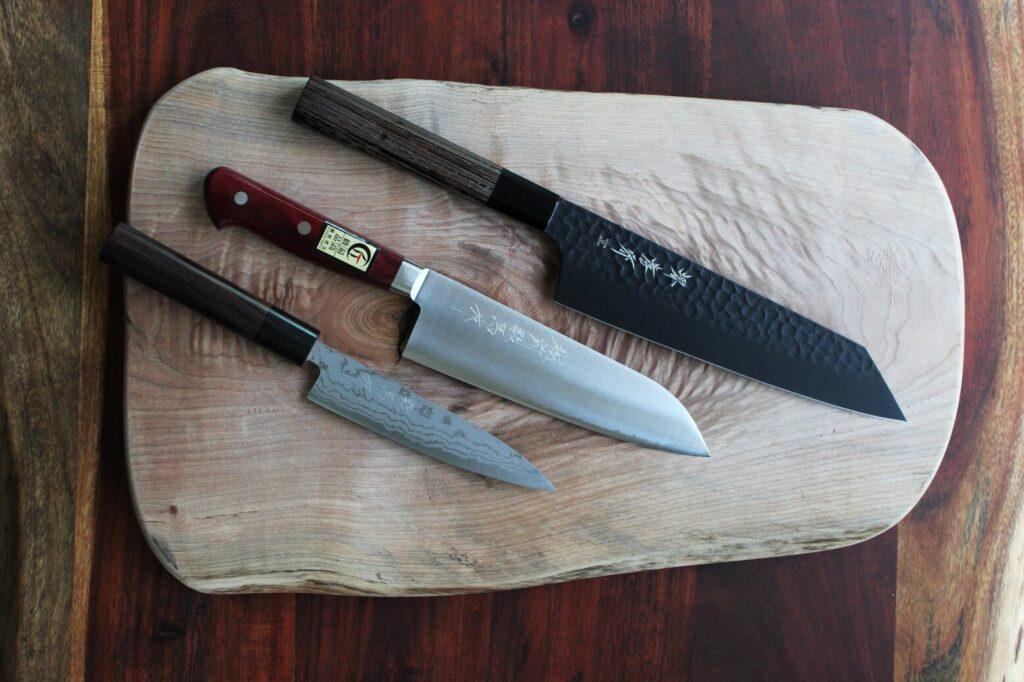
5 Japanese Artisan Knife Selection Tips You Should Know
Choosing the right knife can transform the way you prepare food, elevating even simple meals into precise, satisfying experiences. For those checking out premium kitchen tools, some Japanese artisan knife selection tips can help you make a choice that balances performance, comfort, and longevity.
These knives are known for sharpness, artistry, and long-lasting quality. Applying these tips guides buyers beyond aesthetics and into practical, functional selection.
Blade Types and Functions
The first step in selecting a Japanese knife is identifying the type that suits your cooking style. Each blade shape is designed for specific tasks, influencing cutting technique and efficiency. The Gyuto knife is a versatile chef’s knife ideal for slicing meat, chopping vegetables, and dicing herbs. Its long, curved edge allows smooth rocking motions on the cutting board.
For those who focus on vegetables, a Nakiri knife brings a straight blade for clean, uniform cuts. Its flatter edge is perfect for precise slicing without twisting delicate produce. A smaller paring knife handles intricate tasks like peeling fruits or trimming garnishes.
Meanwhile, the Santoku knife balances versatility and precision, capable of handling meat, fish, and vegetables with a shorter, wider blade that encourages controlled chopping.
Consider Blade Material and Hardness
Japanese knives often use high-carbon stainless steel or layered Damascus steel. The choice of steel affects sharpness, edge retention, and maintenance. Harder steel holds an edge longer but may require careful handling to avoid chipping. Softer steel is easier to sharpen and forgiving under daily use.
Recognizing how the blade’s composition impacts performance helps match the knife to your cooking demands. Heat-treated layers in Damascus knives also add resilience while creating unique, striking patterns that reflect traditional craftsmanship.
Observing the finish, whether polished or hammered, can indicate how food will glide across the surface during cutting.
Evaluate Blade Geometry
Blade geometry influences cutting efficiency, control, and overall comfort during use. Many traditional Japanese knives feature a single bevel, which provides precise, clean cuts for specialty tasks. Double-beveled edges create more balance for everyday use and are simpler for home cooks to maintain.
The thickness and taper of the blade play a crucial role. Thin, finely tapered edges perform best for delicate slicing, such as filleting fish or trimming vegetables, while slightly thicker blades manage tougher ingredients without bending.
Spine thickness and tip shape also affect how the knife handles. A well-proportioned spine adds stability, and a sharp, carefully formed tip supports detailed work, including scoring meat or crafting intricate garnishes. Considering these factors improves performance and precision in the kitchen.
Examine Handle Construction and Comfort
Handle design impacts cutting control, reduces fatigue, and supports kitchen safety. Traditional Japanese knives typically have wooden handles shaped for ergonomic grip and balance. Octagonal or D-shaped handles fit the hand naturally and provide precision during repeated slicing motions.
The connection between the handle and the blade should be smooth to prevent pressure points during extended use. Some knives use composite materials for durability in humid or wet conditions while maintaining proper weight balance.
Testing different handle shapes and materials helps identify a knife that feels like an extension of your hand, giving comfort, control, and confidence with each cut.
Pay Attention to Maintenance Requirements
Owning a Japanese artisan knife requires proper care. Sharpness comes from regular honing and careful sharpening on whetstones. Storing knives correctly, using knife blocks or magnetic strips, helps protect the blade edge from damage.
Cleaning techniques are important. Hand washing and drying immediately reduce the risk of corrosion. High-carbon knives may develop a natural patina over time, which does not affect performance but can alter appearance.
Following consistent maintenance practices keeps the knife performing at its best, retaining the precise, razor-sharp edge that reflects Japanese craftsmanship. Regular care preserves both the functionality and artistry of the blade, making it a reliable kitchen tool for years of use.
Test Balance and Weight
A knife’s balance affects cutting rhythm and comfort. Well-balanced knives distribute weight evenly between handle and blade, making repetitive tasks less tiring. Some chefs prefer a heavier blade for chopping dense vegetables or meat, while others enjoy a lighter knife for finesse and speed.
Try the knife in hand before purchasing. This will provide insight into how it interacts with your cutting style. Weight preference is subjective and can influence overall cooking efficiency. Balancing the blade against your grip means better control, minimizes wrist strain, and allows you to achieve cleaner, more precise cuts.
Observe Craftsmanship and Aesthetics
Japanese knives are not only tools but works of art. Layers of folded steel, hand-forged edges, and subtle design elements reflect a long tradition of knife-making. Paying attention to craftsmanship signals attention to detail in performance.
A knife with carefully honed edges, polished finishes, and balanced weight is likely to deliver superior results. Some artisans include decorative touches, such as hammered surfaces or unique handle grains, that heighten visual appeal without affecting function.
Choosing a knife that resonates aesthetically can create a sense of pride and motivation in the kitchen, turning everyday cooking into an artful experience.
Know the Intended Use and Frequency
Selecting the right knife also depends on how often and for what tasks it will be used. Professional chefs may require multiple specialized knives for different ingredients, while home cooks benefit from versatile options like a Gyuto knife or Santoku knife.
Daily users might prioritize durability and ease of maintenance, whereas occasional cooks may value aesthetics and comfort. Assessing your cooking habits helps guarantee the knife you choose fits with your lifestyle and prevents purchasing tools that remain underused. A knife suited to your routines promotes efficiency, precision, and enjoyment while preparing meals.
Make Comparisons and Seek Guidance
Shopping for a Japanese knife can be confusing, given the vast array of options. Comparing knives side by side helps identify subtle differences in balance, blade geometry, and handle comfort. Reading reviews, watching demonstrations, or consulting knowledgeable vendors provides additional insight into long-term usability.
Paying attention to expert guidance allows you to make the best possible decision and select a knife that performs reliably. Observing others using knives in a real-world setting demonstrates cutting technique and highlights the strengths and limitations of each model.
Plan for Longevity
A quality Japanese knife is an investment meant to last decades. Prioritizing durability, proper handling, and consistent maintenance protects your knife from premature wear. Regular honing, careful cleaning, and thoughtful storage prevent common issues like edge dulling or handle damage.
Selecting a knife that matches your skill level and intended use contributes to long-term satisfaction. Over time, a well-maintained knife develops a familiarity and rhythm with your movements, turning routine cooking tasks into intuitive experiences. Longevity and performance go hand in hand when choosing an artisan knife crafted with care and expertise.
Choosing Wisely for Lasting Performance
Following these Japanese artisan knife selection tips allows chefs and home cooks to make confident, informed choices. Knowing blade types, materials, geometry, and handle design ensures comfort, precision, and reliability. Maintaining knives properly and considering personal cutting style increases their lifespan and performance.
A thoughtfully chosen knife transforms cooking from a routine task into an enjoyable and artistic process. Investing time in selecting the right blade pays off with years of accurate cuts, effortless chopping, and a deeper appreciation for the craft of Japanese knife-making.