A Homeowner’s Checklist for Preventing Costly Repairs
Owning a home brings a real sense of pride, but it also brings a steady list of responsibilities that quietly grow in the background. Small issues have a habit of turning into expensive surprises when they go unnoticed for too long, and most homeowners only realize the cost once the damage is already done.
The good news is that the majority of these problems are predictable, which means they are also preventable. A simple, structured approach to home upkeep can save thousands over the years and keep your living space safe, comfortable, and functional. The checklist below covers the areas that tend to cause the biggest financial headaches when ignored, along with the habits that keep them from spiraling out of control.
Keep Your Cooling System Running Reliably
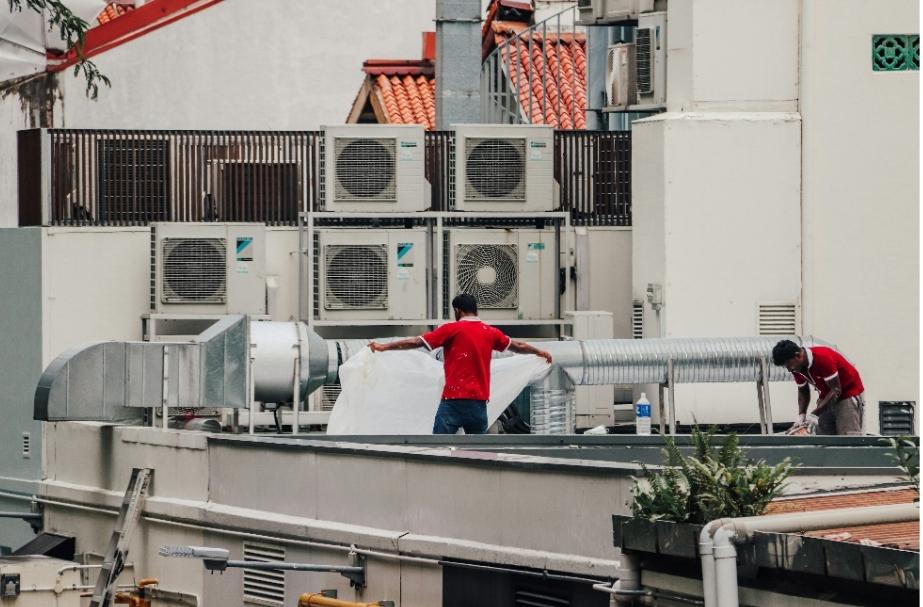
Air conditioning systems are some of the hardest-working pieces of equipment in any home, and they often run for long stretches without much thought from the people relying on them. When something goes wrong with a unit, the timing tends to be inconvenient, usually during the hottest stretches when the system is under the most pressure. Sudden breakdowns can interrupt daily life and lead to repair bills that climb quickly if the underlying issues have been building for a while. Calling in a trained technician for emergency AC repair before a problem turns into full system failure is one of the smartest moves a homeowner can make. Routine filter changes, clean condenser coils, and unobstructed vents go a long way in keeping the system efficient and reducing the chances of a midsummer disaster.
Watch the Roof Before It Watches You
A roof tends to be out of sight, which makes it easy to forget until water shows up somewhere it should not be. Missing shingles, cracked flashing, and clogged gutters all chip away at the structure little by little, and the damage rarely announces itself politely. Walking the perimeter of your home a few times a year and looking for sagging spots, dark streaks, or debris buildup will help you catch trouble early. Gutters deserve the same attention, since blocked water has nowhere to go except into your foundation, fascia, or attic. Hiring a professional inspector every couple of years is a worthwhile habit, especially after heavy storms.
Pay Attention to Plumbing Quirks
Plumbing problems tend to whisper before they shout. A faucet that drips at night, a toilet that runs longer than it should, or a faint musty smell under a cabinet can all point to something larger brewing behind the walls. Catching these signs early prevents the kind of damage that destroys flooring, drywall, and cabinetry. Knowing the location of your main water shutoff valve is essential, and so is testing it occasionally to confirm it actually turns. Insulating exposed pipes during colder months also protects against bursts, which can flood entire rooms in minutes.
Care for the Foundation from the Outside In
The ground around your home plays a much bigger role in its longevity than most people realize. Soil that slopes toward the house instead of away from it can send rainwater straight to the foundation, where it slowly creates cracks and shifts that lead to serious structural issues. Walking the exterior after heavy rain helps you spot pooling water, washed-out mulch, or eroded grading. Downspouts should always carry water several feet away from the base of the house. Hairline cracks in basement walls or concrete slabs are worth monitoring, since growing ones often signal something deeper.
Keep Electrical Systems in Check
Electrical issues are easy to ignore until they suddenly become dangerous. Flickering lights, warm outlets, breakers that trip repeatedly, and outdated panels are all signals that something needs attention. These warnings are easy to dismiss in a busy week, yet they often point to wiring problems that can lead to fires or expensive rewiring jobs later. Testing smoke detectors and carbon monoxide alarms every few months keeps the safety net intact. Anything beyond replacing a light fixture or swapping a switch is best left to a licensed electrician, since shortcuts in this area rarely end well.
Look After the Water Heater
A water heater is one of those appliances that quietly works year after year until it suddenly does not. Sediment builds up at the bottom of the tank over time, reducing efficiency and putting strain on the heating element. Flushing the tank once a year clears that buildup and helps the unit last longer. Checking the pressure relief valve and looking for rust or moisture around the base are quick habits that can prevent a flooded utility room. If your unit is approaching the end of its expected lifespan, planning ahead for a replacement is far cheaper than reacting to a sudden leak.
Seal Gaps and Maintain Insulation
Air leaks around windows, doors, attic hatches, and electrical penetrations slowly drain comfort and money out of a home. Caulking, weatherstripping, and topping up attic insulation are simple projects that pay off month after month on energy bills. Beyond efficiency, sealing these gaps also blocks moisture and pests, both of which create their own expensive problems when left unchecked. Walking through the home with a hand near suspected leaks during windy weather is a low-effort way to find trouble spots.
Stay Ahead of Pest Activity
Pests do quiet, patient damage that often goes unnoticed until repairs become unavoidable. Termites chew through structural wood, rodents shred wiring and insulation, and certain insects cause moisture problems behind walls. Keeping firewood away from the house, sealing tiny entry points around the foundation, and trimming back vegetation that touches the siding all reduce the chances of unwanted guests. Annual inspections from a pest professional add another layer of protection, especially in areas where infestations are common.
Building these habits into the rhythm of homeownership transforms the way small problems are handled. Instead of scrambling after damage has already happened, you stay one step ahead, catching issues while they are still cheap and manageable. A home rewards consistent attention, and the cost of preventive care is almost always a fraction of what reactive repairs demand.