The Rise of Custom Homes in Modern Urban Living
Urban living has changed a lot in recent years. Cities are growing, lifestyles are shifting, and people are becoming more selective about where and how they live. Buying a ready-made house is no longer the only option many consider.
More homeowners now want spaces that reflect their needs from the start. They want comfort, flexibility, and long-term value. This shift has led to a growing interest in homes that are designed with intention, not just availability.
Why Urban Buyers Are Moving Away From Pre-Built Homes
Pre-built homes offer convenience. They are quick to buy and ready to move into. But they often come with limitations.
Common concerns include:
- Fixed layouts that do not match daily routines
- Limited storage or poorly used space
- Design choices that feel outdated or generic
- Lack of flexibility for future needs
Urban buyers today are more aware of these issues. They want homes that fit their lifestyle, not ones they have to adjust to over time.
Changing Priorities in Modern Living
City life brings unique challenges. Space is limited, schedules are busy, and work styles are evolving. These factors are changing what people expect from their homes.
Some of the new priorities include:
- Dedicated workspaces for remote jobs
- Multi-purpose rooms that adapt easily
- Better storage solutions
- Quiet areas for relaxation
Homes now need to support both personal and professional life. This is one of the key reasons behind the rise of personalized home design.
Better Use of Limited Urban Space
In cities, every square foot matters. Poor design can make even a large space feel small.
With thoughtful planning, homeowners can:
- Maximize usable space
- Reduce clutter through smart storage
- Create open layouts that feel larger
- Use vertical space effectively
Well-designed homes make better use of available land. This improves both comfort and functionality.
Personalization as a Key Value
One of the biggest reasons people choose tailored homes is personalization. It allows them to create spaces that match their habits and preferences.
Instead of accepting a standard layout, homeowners can decide:
- Room sizes based on actual needs
- Placement of windows for better light
- Kitchen designs that suit their cooking style
- Layouts that support family life
This level of control leads to a better living experience.
Technology and Smart Living
Modern homes are becoming smarter. Technology plays a big role in how people manage their homes.
Features often include:
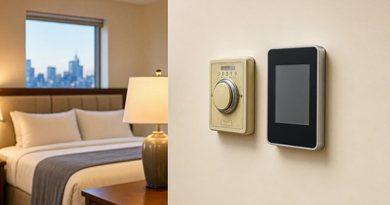
- Smart lighting and temperature control
- Security systems with remote access
- Energy monitoring tools
- Automated appliances
Planning these features from the beginning is easier than adding them later. It also ensures better integration.
Energy Efficiency and Sustainability
Urban homeowners are more conscious about energy use. Efficient homes reduce costs and support a better environment.
Common improvements include:
- High-quality insulation
- Energy-efficient windows and doors
- Solar power options
- Water-saving systems
These features may increase initial costs but offer long-term savings.
Long-Term Flexibility
City living changes over time. Jobs shift, families grow, and priorities evolve. Homes need to adapt to these changes.
Flexible design helps with:
- Converting spaces for new uses
- Expanding or modifying layouts
- Supporting different life stages
This reduces the need for major renovations later.
The Role of Local Expertise
Urban areas have unique rules, land conditions, and design challenges. Working with professionals who understand the local environment is important.
For example, projects like Morgantown custom homes benefit from knowledge of local zoning and climate conditions. This helps avoid delays and ensures better results.
Local experience can make the process smoother and more efficient.
Balancing Style and Practicality
Urban homes often reflect modern design trends. However, style should not come at the cost of function.
A balanced approach includes:
- Choosing designs that are easy to maintain
- Avoiding features that look good but serve little purpose
- Focusing on comfort and usability
A home should feel good to live in, not just look good in photos.
Cost Considerations and Value
Many people assume that personalized homes are always more expensive. While the initial cost can be higher, the long-term value is often better.
Benefits include:
- Fewer changes or upgrades after moving in
- Lower maintenance costs
- Better resale value
- Features that match buyer demand
Planning carefully helps control costs and avoid unnecessary expenses.
Collaboration Makes the Difference
Designing a home is a team effort. Good communication between homeowners and professionals leads to better outcomes.
Working with a custom home builder Morgantown can help turn ideas into practical plans. They can guide decisions, manage timelines, and ensure quality work.
Similarly, experienced custom home builders bring valuable insights into design, materials, and local requirements. Their expertise helps avoid common mistakes.
Choosing the right team is one of the most important steps in the process.
Avoiding Common Urban Design Mistakes
Urban projects often face similar challenges. Being aware of them can save time and money.
Common mistakes include:
- Ignoring storage needs
- Overloading the design with unnecessary features
- Poor planning of lighting and ventilation
- Not considering noise and privacy
Simple, practical solutions often work best.
Outdoor Spaces Still Matter
Even in cities, outdoor areas add value. They provide space to relax and improve overall quality of life.
Options include:
- Small gardens or green corners
- Rooftop seating areas
- Balconies designed for comfort
- Multi-use outdoor spaces
These features make urban living more enjoyable.
A Shift Toward Intentional Living
The rise of personalized homes reflects a larger trend. People are becoming more intentional about how they live.
They want:
- Spaces that support their goals
- Homes that reduce daily stress
- Designs that improve comfort and efficiency
This shift is not just about housing. It is about creating a better lifestyle.
Why This Trend Is Likely to Continue
Urban populations are still growing. At the same time, expectations are rising. People want more control over their living environment.
As a result, demand for well-planned homes will likely increase.
Key reasons include:
- Greater awareness of design benefits
- Advances in building technology
- Changing work and lifestyle patterns
- Desire for long-term value
This trend is shaping the future of urban housing.
Rethinking What a Home Should Be
A home is no longer just a place to stay. It is a space that supports daily life, work, and personal well-being.
By focusing on thoughtful design, homeowners can create spaces that truly meet their needs. This approach reduces compromise and increases satisfaction.
The rise of personalized homes shows that people are looking for more than convenience. They want spaces that reflect who they are and how they live.