How Much Does It Really Cost to Hire a Skip Bin? A Practical Guide
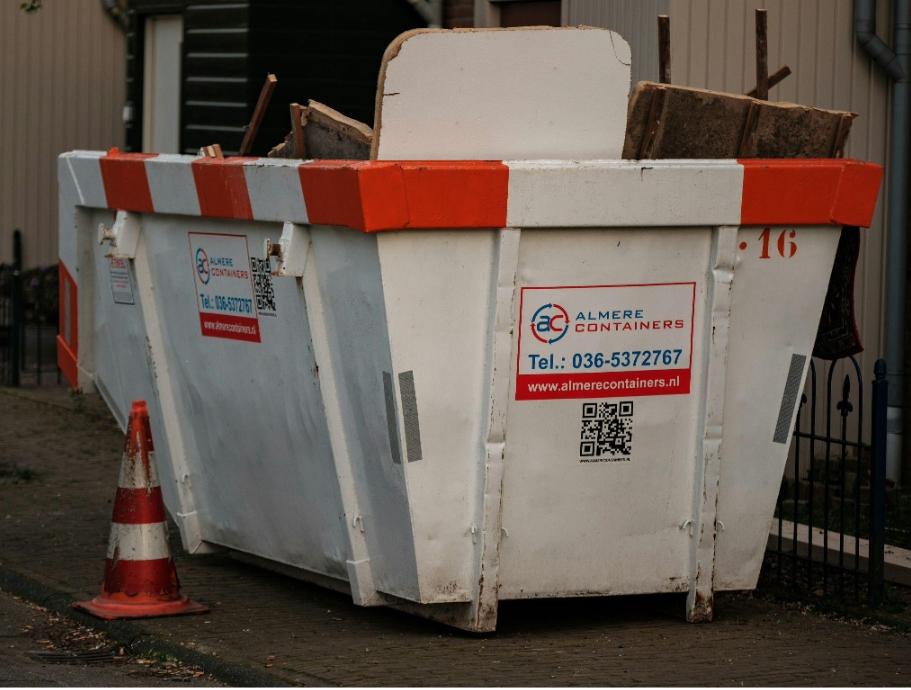
Skip bins have become an indispensable tool for spring cleans, home renovations, and large household cleanups across Australia.
They make it possible to dispose of huge volumes of waste in a single drop-off and pick-up rather than dozens of trips to the local tip.
For first-time hirers, the question of cost can feel surprisingly complicated. Understanding what actually drives the price helps households book the right bin without overspending or running out of room halfway through.
The Three Main Factors That Influence Skip Bin Pricing
Almost every skip bin quote in Australia comes down to three core variables. The size of the bin, the material going into it, and the length of the hire period together determine the final figure on your invoice.
This straightforward formula makes it easier to compare quotes once you know how each element behaves.
A short conversation with a reputable supplier is usually all it takes to land on the right option for the job.
Mini Skip Bins for Smaller Cleanups
Mini skip bins of around two cubic metres are the smallest standard option and are perfectly sized for compact projects.
They suit small gardening jobs, party rubbish, minor renovations, and tidy-ups that fit into a single weekend.
These bins typically hold between two and three tonnes of waste and start from roughly $370 to $440 per week in Sydney.
Their compact footprint also makes them easy to position in tight driveways, courtyards, and other small access points.
Medium Skip Bins for Renovation Jobs
Medium bins between four and five cubic metres hit the sweet spot for most household renovation projects.
They are popular for clearing waste from small kitchen and bathroom upgrades, larger garden projects, and full single-room refurbishments.
A four cubic metre bin generally costs $530 to $560, while a five cubic metre option sits closer to $630 to $700.
The extra capacity often delivers better value than booking a smaller bin twice and paying delivery fees on each trip.
Giant Skip Bins for Major Projects
Giant skip bins range from six all the way up to twelve cubic metres and handle the largest household and commercial projects with ease.
They are the right call for major renovations, full house cleanouts, deceased estate clearances, and jobs involving truly bulky items.
A six cubic metre bin sits in the $730 to $800 range, a nine cubic metre option runs around $970 to $1,130, and a twelve cubic metre giant typically costs $1,200 to $1,400.
The price scales with capacity, but the cost per cubic metre tends to drop as bins get larger.
Why Waste Type Affects the Final Price
Not all waste is treated equally at the tip, and this difference is reflected in skip bin pricing. General household rubbish is generally the most affordable category, while green waste, mixed loads, and construction debris attract higher fees because of how they are processed.
Heavy materials such as bricks, concrete, sandstone, roof tiles, soil, clay, and sand often need their own dedicated bins.
These dense waste streams have stricter weight handling requirements and are usually quoted as a separate category from mixed or general rubbish.
Restricted and Hazardous Items
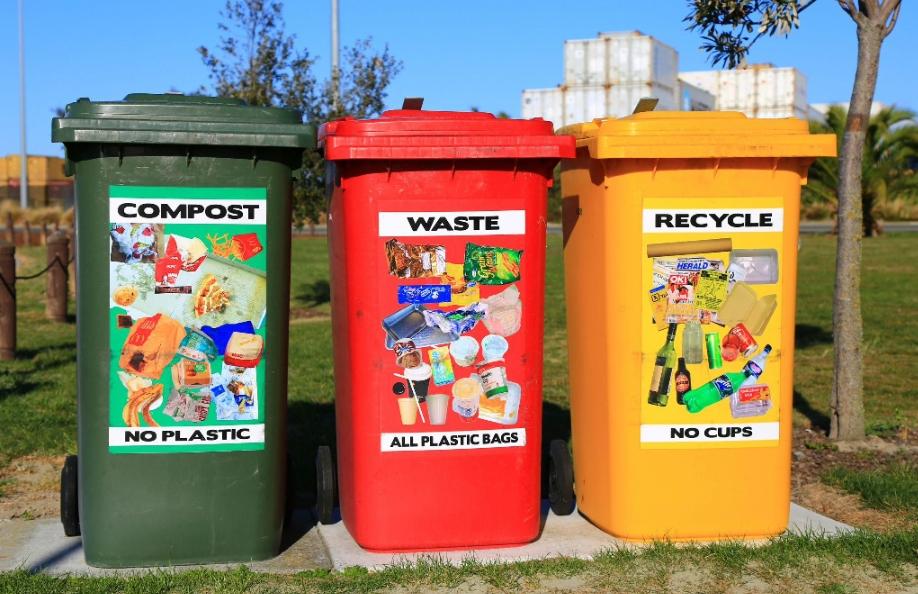
Every skip bin operator maintains a list of items that are not allowed in their bins under any circumstances.
Insulation, asbestos, batteries, wet paint, chemicals, and other hazardous materials all sit on this restricted list for safety and environmental reasons.
Throwing these items into a standard skip can lead to significant penalties, fines, or extra processing charges.
Checking the prohibited items list before loading the bin is a simple step that prevents an unwelcome surprise on the final bill.
Special Items That Carry Their Own Fees
Certain items are accepted but priced individually because of how they are processed at recycling facilities.
Mattresses commonly attract a charge of around $150 each, car tyres sit around $80, truck tyres run closer to $90, and carpet rolls usually cost about $20 per piece.
These charges are added on top of the standard hire fee at the time of disposal. Asking the supplier upfront about any special items keeps the quote accurate and avoids confusion when the final invoice arrives.
How the Hire Period Affects the Price
Most skip bin suppliers include a standard hire window in their base price, typically lasting around seven days. Keeping the bin longer usually attracts a daily or weekly extension fee that can quietly add to the total cost of a long renovation.
Returning the bin earlier than the standard window does not usually trigger a discount, so there is no rush to finish ahead of schedule.
Planning the project to fit comfortably inside the included hire period delivers the best value with the least stress.
Estimating the Right Bin Size
Choosing the wrong size is one of the most common ways households end up paying more than they need to. Booking a bin that is too small forces a second hire, doubling delivery and pickup costs on the same project.
Hiring a slightly larger bin than you think you need is almost always more economical than booking two smaller ones.
A reputable supplier will happily talk through the project and recommend the most appropriate size before you commit.
Council Permits and Placement Considerations
If the skip bin needs to sit on a public road, footpath, or nature strip, your local council will likely require a permit.
Permit fees vary across Sydney suburbs and other Australian metropolitan areas, so it is worth checking before booking.
Placing the bin entirely on private property, such as a driveway, removes the need for a permit altogether. This small detail can save both time and money during the planning stage of a project.
Choosing a Reliable Sydney Skip Bin Provider
Skip bin hire is a service business, and the quality of the supplier makes a real difference to the experience.
Late deliveries, missed collections, and surprise fees are far more common with budget operators than with established companies.
For Sydney households, taking time to compare affordable skip bin hire prices across reputable local providers helps lock in the best deal.
A clear, honest quote from the start usually means a smoother experience all the way through to pickup.
Tips for Saving Money on Your Hire
Booking ahead of time is one of the simplest ways to avoid premium rates and last-minute availability problems.
Companies often charge more for same-day or weekend deliveries during peak renovation periods.
Sorting recyclable items like cardboard, clean metal, and untreated wood before they go in the bin can also reduce the volume needed.
In some cases, this allows you to step down to a smaller and more affordable bin size.
Final Thoughts
Skip bin hire does not need to feel complicated or expensive once the basics are understood.
By thinking carefully about size, waste type, hire period, and provider choice, households can keep costs predictable from the start.
A modest amount of planning and a few honest conversations with suppliers usually unlock the best price for any project.
The result is a faster, cleaner job that finishes on time and on budget without unwelcome surprises.