The Modern NYC Professional’s Guide to Eyewear: Function Meets Subtle Style
In New York City, style rarely exists in isolation. It is shaped by pace, profession, and the quiet demands of a city that never slows down. For today’s urban professionals—moving between hybrid offices, late-night screens, and back-to-back meetings—eyewear has evolved from a corrective necessity into an essential part of daily performance.
This shift has been accelerated by changes in how and where work now happens—particularly the rise of hybrid routines and extended screen-based environments.
What’s emerging in 2026 is a clear shift: glasses are no longer just about vision. They are about visual endurance, cognitive comfort, and a kind of understated polish that fits seamlessly into the modern professional identity.
The New Priority: Visual Comfort Over Visual Statement
For years, eyewear trends in New York leaned heavily toward bold fashion signaling—oversized frames, experimental shapes, and logo-forward design. But that aesthetic confidence is now being balanced by something more functional: comfort under sustained screen exposure.
With professionals spending upwards of eight hours a day across laptops, tablets, and phones, eye strain has become one of the most common workplace complaints. As a result, lens clarity, blue-light filtration, and optical precision are now central decision-making factors.
Optometrists across the city note that patients are asking more specific questions than ever before—not just “What looks good on me?” but “What will still feel good at 6 p.m.?”
The Return of Structure: Why Square Frames Are Leading the Shift
Among all frame shapes making a return, the square silhouette stands out—not for nostalgia, but for balance. It offers structure without aggression, definition without distraction. On the streets of SoHo and inside Midtown co-working spaces, square frames have become a quiet uniform for professionals who want clarity in both vision and appearance.
Their appeal lies in restraint. Unlike trend-driven designs, square frames integrate easily into a wardrobe rather than overpowering it. They sit comfortably alongside tailored coats, monochrome basics, and the increasingly common “work-to-evening” outfit formula that defines New York dressing today.
Rather than functioning as statement pieces, they increasingly reflect a design logic built around all-day wearability and optical precision.
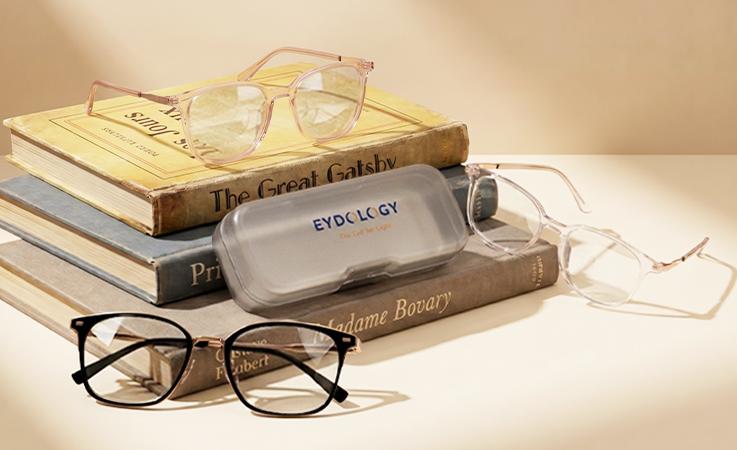
At the same time, this shift is also reflected in product design from brands such as EYDOLOGY, where square frames are being reinterpreted for modern use. The focus is less on statement-making and more on all-day wearability, optical clarity, and lightweight construction—features specifically designed for screen-heavy, fast-paced lifestyles.
Eyewear as Infrastructure, Not Accessory
As functional expectations become more defined, they are also beginning to reshape aesthetic preferences.
A noticeable mindset shift is happening among younger professionals and creative directors alike: eyewear is being treated less like an accessory and more like daily infrastructure.
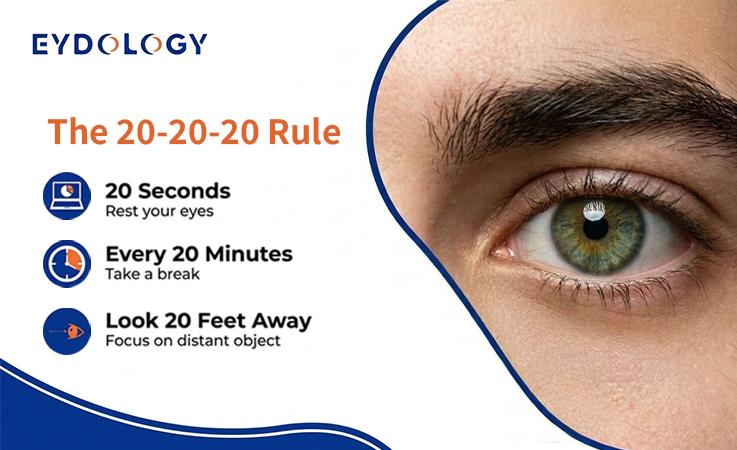
Just as ergonomic chairs and noise-canceling headphones became standard workplace tools, high-performance lenses and lightweight, durable frames are now part of that same ecosystem. Comfort is no longer optional—it is expected, alongside emerging habits such as the 20-20-20 rule, which reflects a broader effort to structure visual rest into screen-heavy routines.
This is also where design and material science intersect more visibly. Lightweight acetate, precision-engineered hinges, and high-definition lens coatings are becoming baseline expectations rather than premium upgrades.
The Quiet Luxury Influence
As functional expectations become more defined, they are also beginning to reshape aesthetic preferences.
The broader “quiet luxury” movement has also filtered into eyewear choices. Instead of overt branding, professionals are gravitating toward pieces that feel intentional but not loud—designs that communicate confidence without announcement.
In this space, independent eyewear labels are gaining attention for their focus on craftsmanship and usability rather than seasonal trends.
The New Daily Uniform
This preference for restraint does not stop at design language; it extends into how eyewear fits into the broader visual identity of the city.
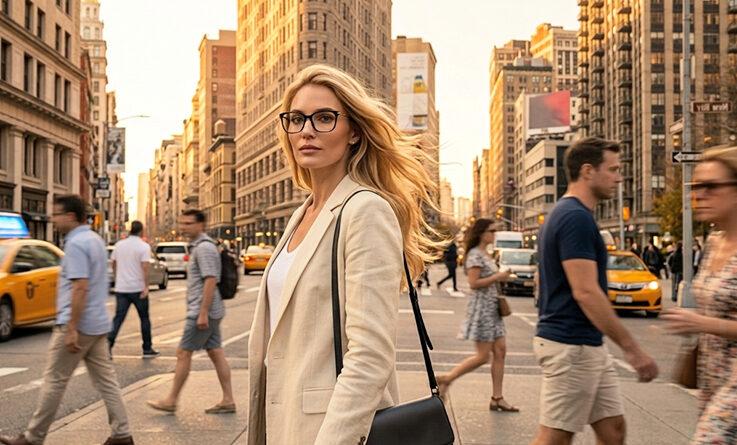
Walk through downtown Manhattan on a weekday morning, and a pattern becomes clear. Neutral-toned wardrobes, structured coats, clean sneakers—and eyewear that feels quietly precise rather than attention-seeking.
This uniform isn’t about conformity. It’s about efficiency. In a city where time is fragmented and attention is constantly divided, professionals are optimizing everything that sits on their face for maximum comfort and minimum distraction.
Eyewear, in this context, becomes less about being seen and more about seeing clearly—through screens, through movement, and through long days that rarely follow a predictable rhythm.
Clarity Over Visibility
Taken together, these shifts point toward a more restrained definition of performance in everyday life.
In a city built on visibility, performance is often associated with being seen. Yet in daily reality, what matters more is how consistently one can see—clearly, comfortably, and without distraction.
This is where eyewear quietly shifts from object to tool, and from style signal to part of everyday function. Brands such as EYDOLOGY sit within this shift, focusing on material refinement, optical precision, and lens clarity designed for long hours of digital and professional use.
The result is less about standing out, and more about staying aligned with the demands of modern work—where clarity itself becomes the most practical form of design.