The Quiet Rise of Luxury Ear Curation: How Fine Jewelry Moved Above the Lobe
Walk through the jewelry floor of any high-end department store in 2026 and you’ll notice something that wasn’t there five years ago. Alongside the diamond solitaires and tennis bracelets, there’s an entire section dedicated to small, meticulously crafted pieces designed for somewhere most jewelry counters never used to acknowledge: the upper ear.
The shift has been quiet but unmistakable. Fine jewelry — the kind that used to live exclusively on fingers, necks, and earlobes — has migrated upward. Cartilage piercings, once associated with subculture and rebellion, have become one of the most active categories in the luxury accessories market. And the people driving this aren’t teenagers. They’re the same buyers who shop Cartier and Van Cleef.
Understanding why requires looking at how luxury itself has changed.
From statement pieces to personal curation
The dominant aesthetic in luxury jewelry for the past several decades was simple: one significant piece, worn intentionally. A signature watch. A statement ring. A pendant that did the talking. Excess was vulgar; restraint signaled taste.
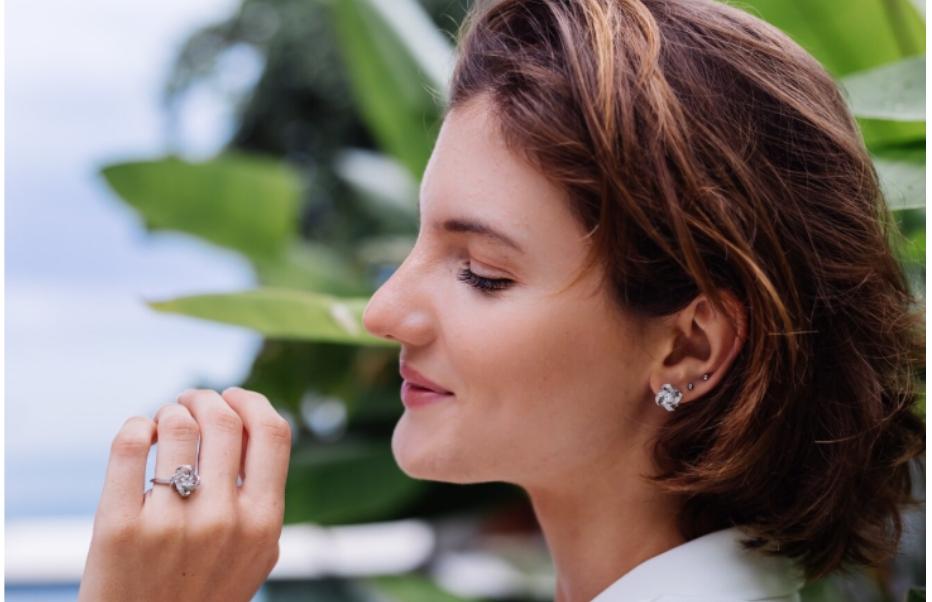
That logic still holds, but a parallel sensibility has emerged alongside it — one focused on what jewelers now call “ear curation.” Instead of one statement piece, the wearer builds a constellation of smaller, deliberately chosen pieces across multiple piercings on the same ear. Each piece is fine quality. Each placement is considered. The total effect is intricate without being loud.
This approach fits the broader direction luxury has been moving in. Sites that cover the high-end lifestyle space, like Pravi Celer, have documented this shift toward “quiet luxury” extensively — the move away from logos and obvious displays toward refined, personal, almost private signaling. Ear curation is quiet luxury applied to jewelry. The pieces are individually beautiful but not loud. The combination is recognizable to people who know fashion and invisible to people who don’t. That’s exactly the dynamic that defines current luxury culture.
The wearer isn’t trying to communicate wealth. They’re communicating intentionality.
The piercings that anchor a curated ear
A curated ear typically combines three or four pieces across different piercing locations, each chosen for how it relates to the others. The lobe usually anchors the look with a substantial piece — a stud, a diamond, a small hoop. From there, the placements move up the ear in a deliberate sequence.
The helix, the tragus, the conch, and the daith have become the most-requested cartilage placements in luxury studios. Each sits in a different anatomical position and creates a different visual effect. The helix follows the outer rim of the ear and reads as elegant and elongating. The tragus sits at the front of the ear canal and creates an unexpected focal point. The conch fills the larger inner curve and can hold a bolder piece. The daith — the small fold of cartilage at the innermost part of the ear — has become particularly popular because of how visually clean it reads when set with a fine ring or seamless hoop.
For buyers who want to understand the placement options properly before committing, comprehensive guides to daith piercings and other cartilage placements cover the practical considerations: anatomy, healing time, jewelry compatibility, and how to choose a studio that meets the standards luxury jewelry demands. Cartilage piercings are not casual decisions. The healing window is long, the technique requirements are strict, and the jewelry choices matter — both for aesthetics and for how the piercing settles. Going in informed is the difference between a curated ear that looks deliberate for years and one that becomes a frustration.
The buyers driving this market understand that a fine piece of jewelry deserves a properly executed placement. The piercing is part of the investment, not a separate concern.
Why luxury houses started taking this seriously
For decades, the assumption in fine jewelry was that cartilage piercings were a young person’s interest, a phase that customers would eventually outgrow on their way to “real” jewelry. The data over the past five years has comprehensively disproven this.
The most active buyers in the cartilage jewelry segment are women between 30 and 55 with significant disposable income. They buy at price points that used to be reserved for traditional jewelry categories — pieces ranging from several hundred to several thousand dollars per item, often with diamonds, rare stones, or hand-finished gold. They’re not aging out of cartilage piercings. They’re treating them as another category of fine jewelry, the same way they treat rings or necklaces.
Luxury houses have responded accordingly. Major maisons that wouldn’t have considered cartilage pieces a decade ago now have dedicated lines. Independent fine jewelers specializing in piercing-grade luxury have built businesses around this exact buyer. The pieces themselves have evolved — implant-grade gold, properly threaded posts that protect healing cartilage, designs engineered for the anatomical realities of upper-ear placements rather than just adapted from earlobe designs.
This is what category creation looks like in real time. A space that didn’t exist as a luxury market ten years ago is now one of the fastest-growing segments in fine jewelry.
The fashion-meets-anatomy conversation nobody had before
What makes this shift more interesting than just another jewelry trend is that it’s forcing two industries that historically didn’t talk to each other to start having serious conversations. Fine jewelers are learning anatomy. Piercing studios are learning the standards of luxury craftsmanship. The gap between “I’d like this design” and “this design will work in this placement on this person” requires both.
A skilled luxury piercer in 2026 looks more like a jeweler-anatomist hybrid than a traditional studio piercer. They understand jewelry construction, metallurgy, and finishing in ways that used to be the jeweler’s exclusive territory. They can advise on placement not just for healing reasons but for how a particular piece will sit, catch light, and integrate with other pieces in the curation. The buyer is paying for that combined expertise, not just for the procedure.
The same evolution is happening on the jewelry side. Designers who used to think only about ring proportions or pendant weights now have to think about how a piece interacts with cartilage tissue, how it accommodates healing, and how it works alongside whatever else is in the wearer’s curated configuration. The result is jewelry that’s more thoughtful about its physical context than fine jewelry has historically had to be.
What this signals about luxury’s direction
The rise of curated ears and luxury cartilage jewelry is small in dollar terms compared to traditional fine jewelry categories. But it points to something larger about where luxury is heading.
The buyers who are driving this market — affluent, design-literate, often professionally accomplished — are signaling that they want luxury that’s personal, intricate, and quietly visible. They don’t want to broadcast wealth. They want jewelry that reflects taste, decisions, and a sense of self that develops over time. A curated ear is, in some sense, a portrait — built piece by piece, each addition reflecting something about when and why it was chosen.
This is luxury as autobiography rather than luxury as performance. And it’s a sensibility that’s likely to spread well beyond ears in the years ahead.
For now, though, the upper ear is where this conversation is happening most actively. If you walked past it five years ago without noticing, you probably won’t again.